
Archive: 2026/02
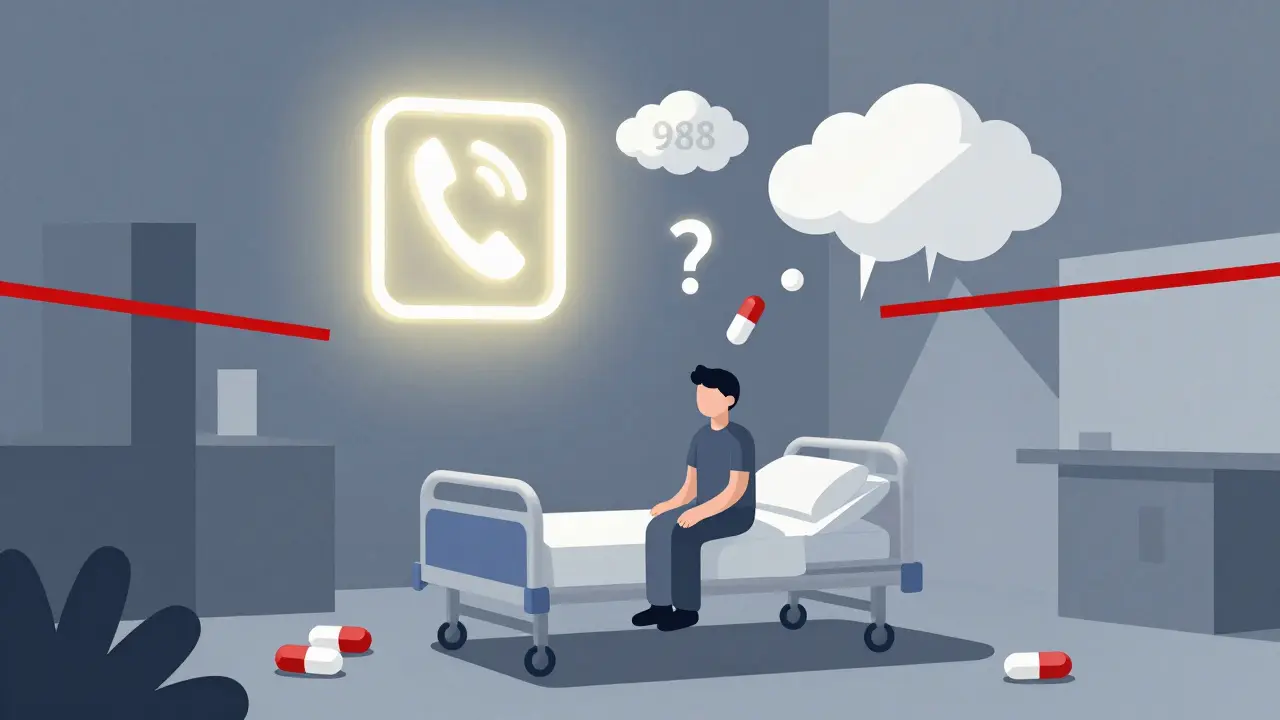
Intentional Overdose: Mental Health Support and Crisis Resources
- Feb, 27 2026
- 9
Intentional overdose is a leading method of suicide, especially among teens and middle-aged adults. Learn how crisis resources like 988, community support, and policy changes can prevent deaths-and why funding cuts threaten lives.
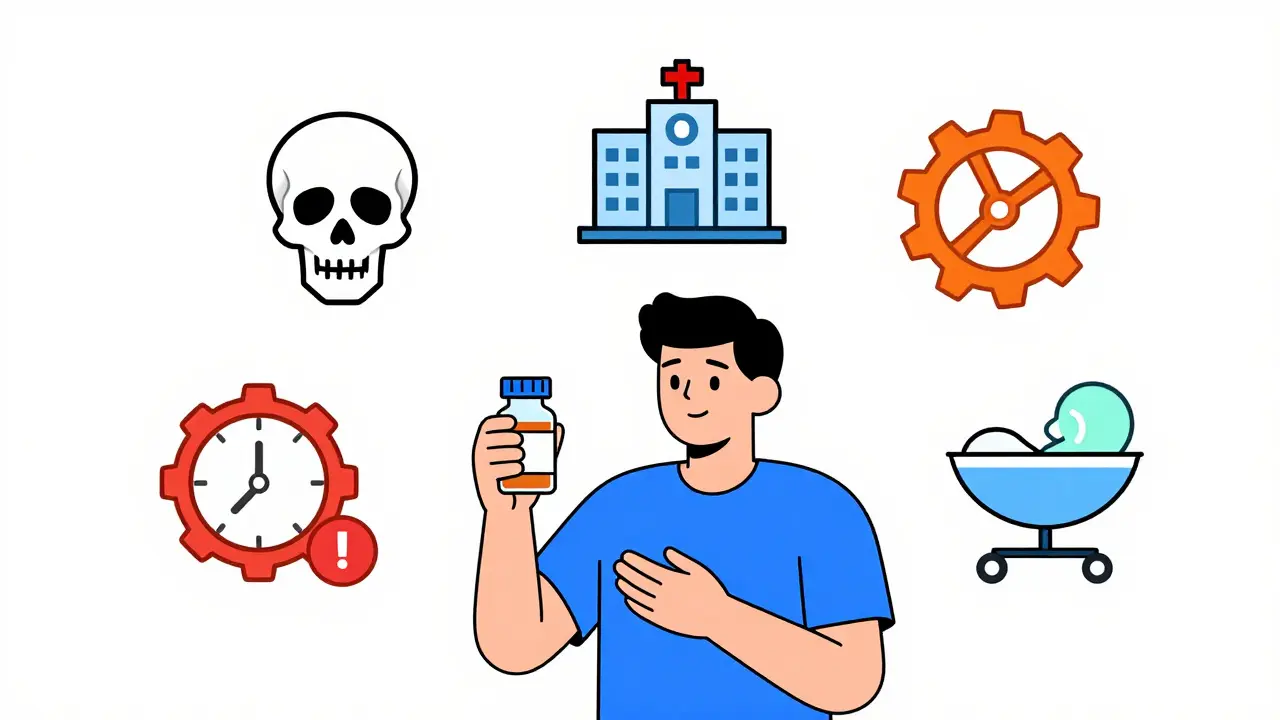
FDA Classification of Serious Adverse Events Explained for Patients
- Feb, 25 2026
- 15
Learn how the FDA defines serious adverse events - not by how bad they feel, but by what they cause. Understand hospitalization, death, and disability criteria to make smarter health decisions.
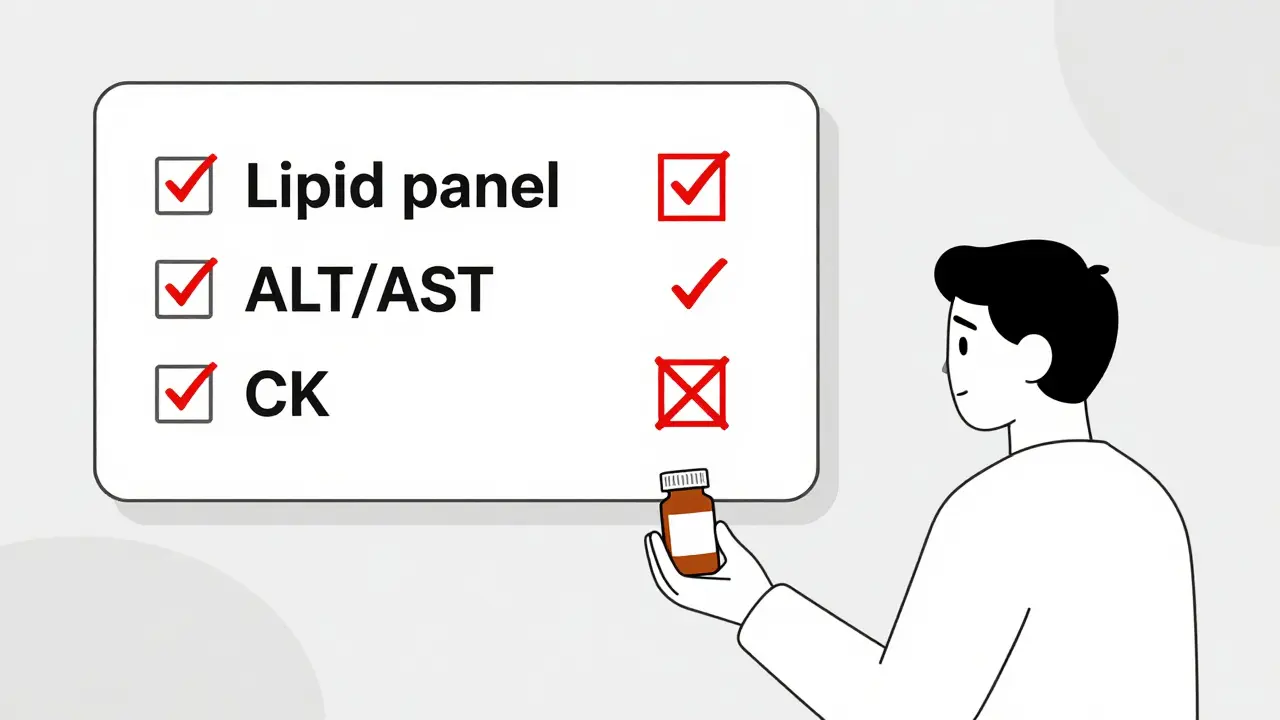
Monitoring While on Statins: Lab Tests and Safety Considerations
- Feb, 20 2026
- 15
Learn the real lab tests needed while on statins - and which ones are unnecessary. Get clear, evidence-based guidance on liver checks, muscle monitoring, and when to worry.
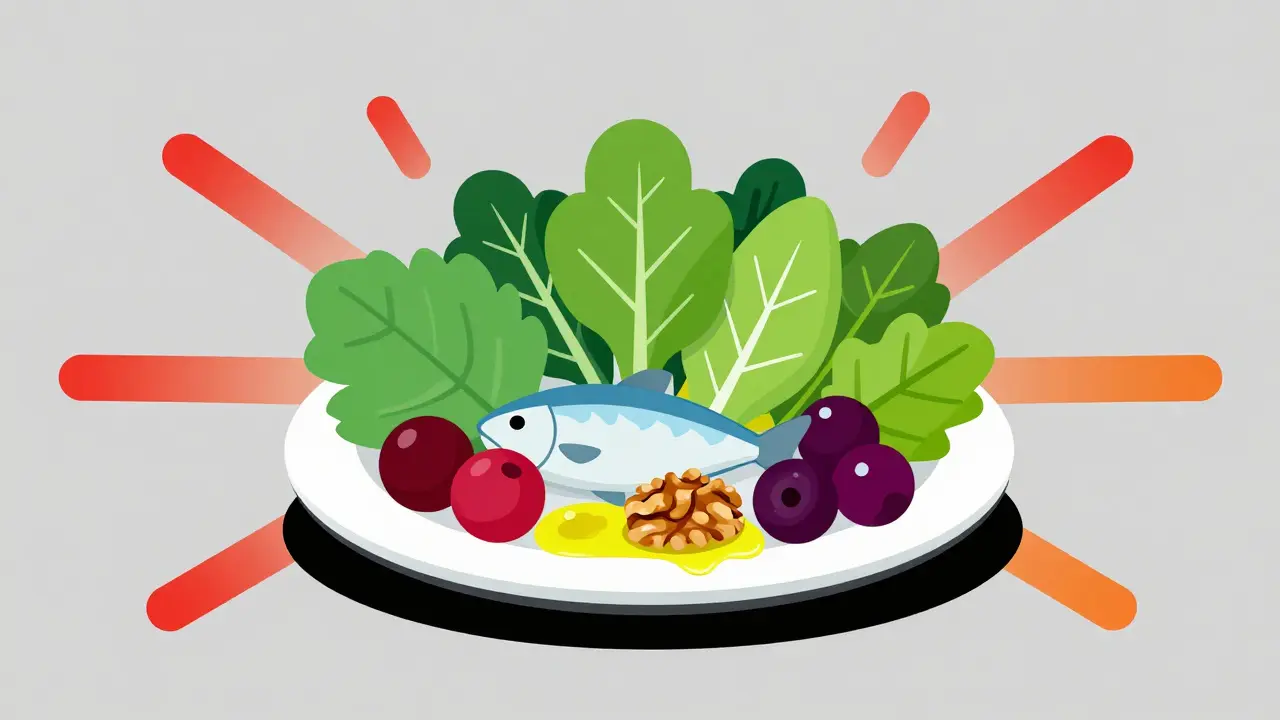
Diet and Autoimmunity: Evidence for Anti-Inflammatory Eating Patterns
- Feb, 18 2026
- 8
Anti-inflammatory eating patterns like the Mediterranean, AIP, and plant-based diets show strong evidence for reducing autoimmune symptoms. Learn what works, what doesn’t, and how to start today.
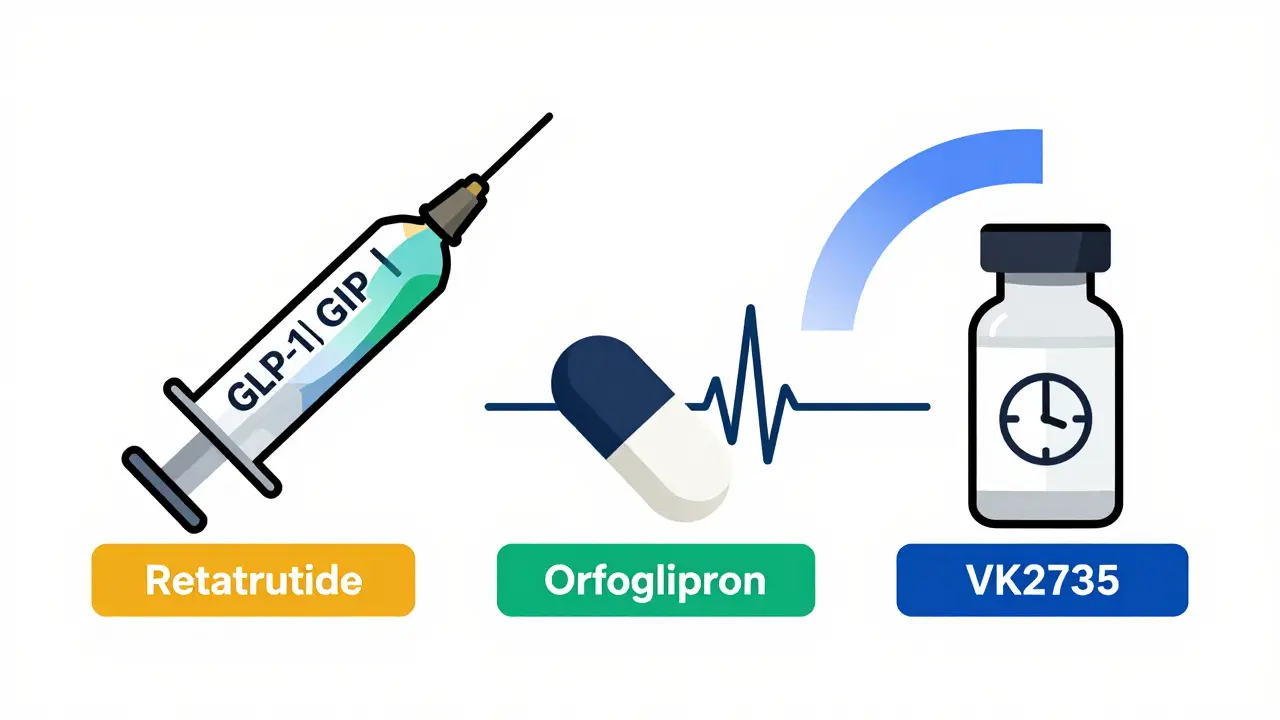
Next-Generation GLP-1 Agents: Safety Profiles and Side Effects
- Feb, 11 2026
- 8
Next-generation GLP-1 agents like retatrutide and orforglipron offer powerful weight loss but come with new safety concerns. Learn about side effects, muscle loss, compounded drug risks, and what to expect in 2026.

ADHD: Stimulants, Non-Stimulants, and Behavioral Strategies
- Feb, 9 2026
- 11
ADHD treatment combines stimulants, non-stimulants, and behavioral strategies to improve focus, reduce impulsivity, and build daily skills. Learn how each option works, their side effects, and what really helps long-term.

Euglycemic DKA: Emergency Recognition and Treatment for SGLT2 Inhibitor Users
- Feb, 5 2026
- 13
EDKA is a dangerous condition where high ketones occur despite normal blood sugar, often in people on SGLT2 inhibitor diabetes drugs. Unlike traditional DKA, it's hard to spot because glucose levels don't spike. Symptoms like nausea and vomiting can be mistaken for other issues. Immediate ketone testing and emergency care are critical. Patients must check ketones during illness, even with normal glucose.

Consumer Language Guides: Simplifying Generic Drug Information for Patients
- Feb, 4 2026
- 9
Consumer language guides translate complex generic drug details into plain language, helping patients understand safety, efficacy, and cost savings. Learn how these tools address misconceptions and improve medication adherence.
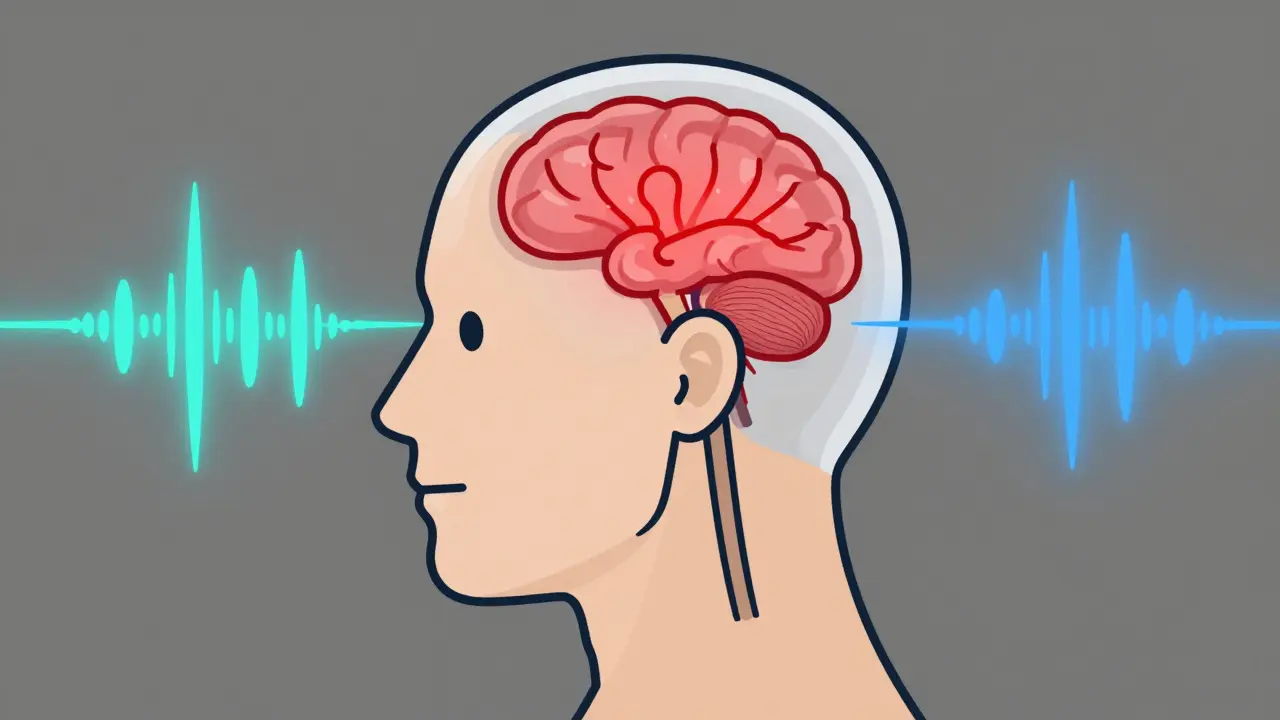
Tinnitus Retraining Therapy: How Habituation and Sound Therapy Reduce Tinnitus Distress
- Feb, 3 2026
- 14
Tinnitus Retraining Therapy (TRT) uses habituation and sound therapy to retrain the brain's response to tinnitus, reducing distress without eliminating the sound. With 80% success rates when properly delivered, it's one of the most effective evidence-based treatments available.

Stimulants and Cardiac Arrhythmias: How to Assess Risk and Find Safer Alternatives
- Feb, 2 2026
- 14
Stimulants for ADHD can improve focus but carry small but real risks of heart rhythm problems. Learn who’s at risk, how doctors assess it, and what safer alternatives exist.
Categories
- Health and Medicine (76)
- Health and Wellness (57)
- Medicine (37)
- Women's Health (11)
- Mental Health (10)
- Men's Health (7)
- Beauty and Wellness (4)
- Health Information (4)
Archives
- April 2026 (1)
- March 2026 (11)
- February 2026 (11)
- January 2026 (25)
- December 2025 (28)
- November 2025 (25)
- October 2025 (27)
- September 2025 (14)
- August 2025 (3)
- July 2025 (2)
- June 2025 (2)
- May 2025 (3)
- online pharmacy
- medication safety
- generic drugs
- dietary supplement
- health benefits
- dietary supplements
- prevention
- fertility
- online pharmacy Australia
- side effects
- QT prolongation
- medication side effects
- diabetes medications
- GLP-1 agonists
- nocebo effect
- brand vs generic
- treatment
- treatment options
- benefits
- connection