
Stimulants and Cardiac Arrhythmias: How to Assess Risk and Find Safer Alternatives
 Feb, 2 2026
Stimulant Cardiac Risk Assessment Tool
How to Use This Tool
This tool helps you understand your potential risk for cardiac arrhythmias when taking stimulant medications. Enter your information below to get a personalized risk assessment and recommendations based on the latest medical guidelines.
Important: This is not a diagnostic tool. Always consult with a healthcare professional for medical advice.
Your Risk Assessment
When someone starts taking Adderall or Ritalin for ADHD, they’re often focused on feeling more focused, less impulsive, and in control. But behind that improved concentration lies a quiet question many don’t ask until it’s too late: Could this be hurting my heart?
Stimulants and Your Heart: What’s Actually Happening?
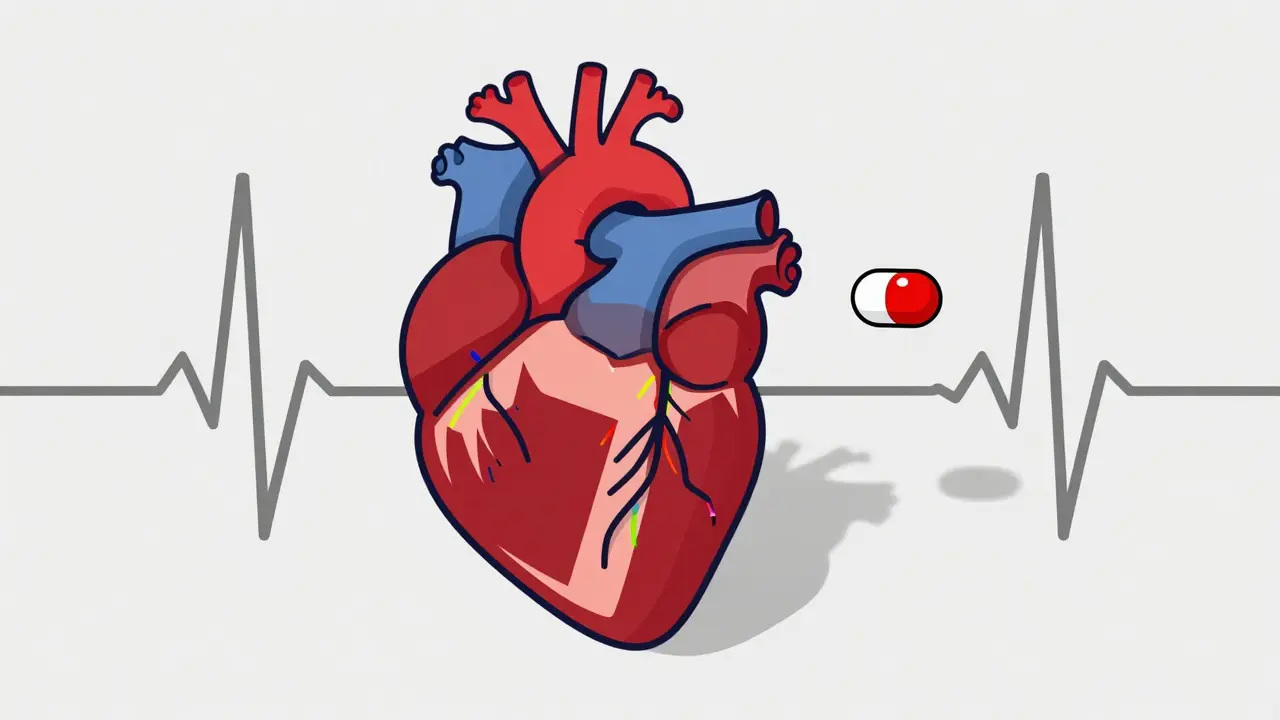
Prescription stimulants like amphetamines and methylphenidate work by boosting dopamine and norepinephrine in the brain. That’s why they help with focus. But those same chemicals also hit your heart. They make your heart beat faster and your blood pressure rise-usually just a little. For most people, that’s harmless. But for some, even small changes can trigger something dangerous: an irregular heartbeat, or cardiac arrhythmia.
It’s not just about feeling your heart race. Arrhythmias can be silent. They happen when the electrical signals that control your heartbeat get mixed up. Some are harmless, like a skipped beat. Others, like ventricular tachycardia or torsades de pointes, can be life-threatening. Stimulants can make these more likely by messing with the heart’s ion channels-the tiny gates that control how electricity flows through heart muscle. Cocaine and methamphetamine do this aggressively, blocking potassium and sodium channels, which can stretch out the QT interval on an ECG. That’s a red flag. Even prescription stimulants can do this, especially in people who already have heart conditions or genetic risks.
Who’s at Real Risk?
Not everyone is equally at risk. The biggest danger comes in two groups: older adults starting stimulants for the first time, and people with hidden heart problems.
A 2021 study of adults over 66 found that within 30 days of starting a stimulant, their risk of ventricular arrhythmia tripled. That’s not a small jump. But here’s the twist: after six months, that risk dropped back to normal. It’s not the long-term use-it’s the start that’s risky. Your heart needs time to adjust. If you’re older and starting stimulants, your heart may not handle the sudden surge the way a younger one does.
Then there’s the hidden risk: undiagnosed heart conditions. People with long QT syndrome, hypertrophic cardiomyopathy, or a family history of sudden cardiac death under 50 are at higher risk. Some have no symptoms until something triggers a dangerous rhythm. That’s why a simple family history check matters more than you think. If your uncle died suddenly at 42 and no one knew why, that’s not just sad-it’s a warning sign.
Illicit stimulants are a different story. Cocaine users are 2.5 to 4.5 times more likely to have ventricular arrhythmias than non-users. Methamphetamine doesn’t just cause arrhythmias-it rewires the heart over time, creating scar tissue and electrical chaos. That’s why drug-related cardiac arrests are so common in young people. Prescription stimulants? Much lower risk. But they’re not risk-free.
The Evidence Is Mixed-So What Should You Believe?
You’ll hear conflicting things. One study says stimulants are safe. Another says they triple arrhythmia risk. Why the contradiction?
The JAMA meta-analysis from 2022 looked at millions of patients and found no overall increase in cardiovascular disease. That’s true for the general population. But it missed the details. The real danger isn’t for everyone-it’s for specific people at specific times. The 2021 study didn’t contradict it-it just zoomed in on a high-risk group: older adults starting the drug. The ACC’s 2024 study found that long-term use in young adults increases cardiomyopathy risk over years. That’s not arrhythmia, but it’s a step toward it.
The American Heart Association and American Academy of Pediatrics say routine ECGs before starting stimulants aren’t needed. But they also say: if you have chest pain, fainting, or a family history of sudden death, you need to stop and get checked. That’s the key. It’s not about testing everyone-it’s about testing the right people.
How Doctors Assess Risk Today
Good doctors don’t just write a prescription. They ask questions:
- Have you ever fainted for no reason?
- Has anyone in your family died suddenly before age 50?
- Do you get chest pain during exercise?
- Do you have a known heart condition?
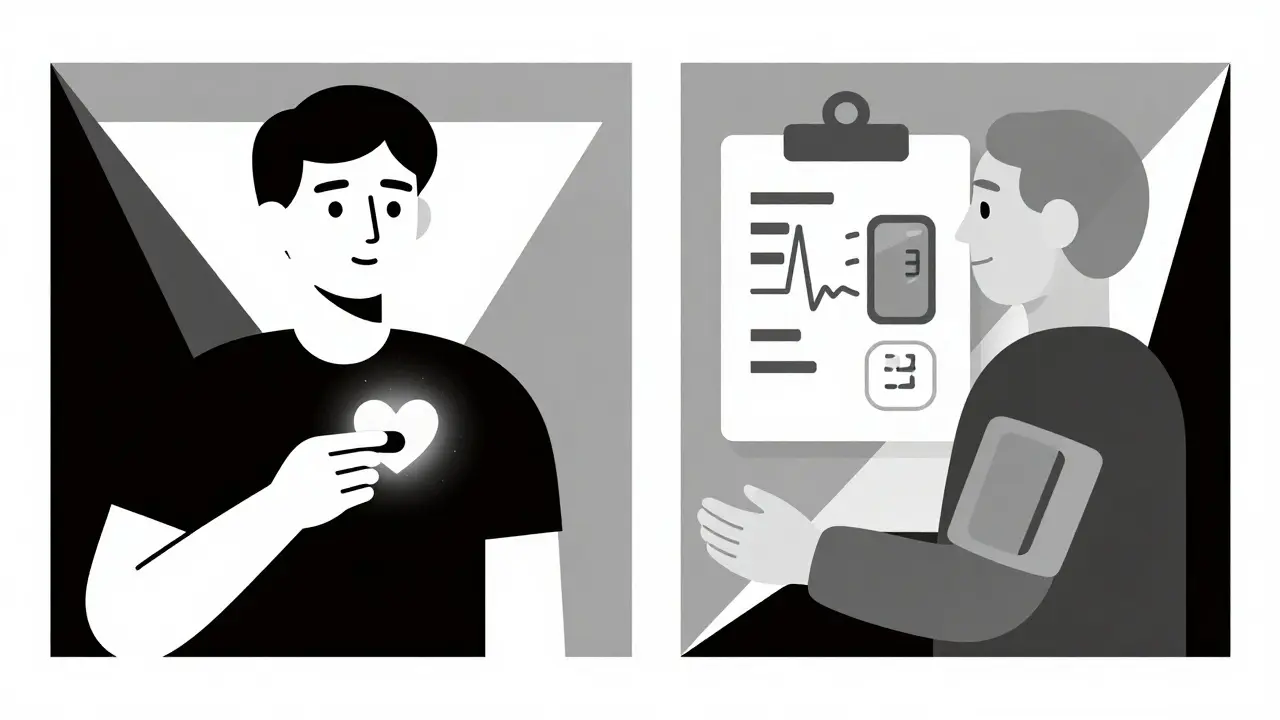
They check your blood pressure and pulse. They listen to your heart. If anything’s off, they refer you to a cardiologist. That’s the standard. No ECG for everyone-but an ECG if there’s a reason to worry.
After starting the medication, they monitor you. Blood pressure and heart rate are checked within 1 to 3 months. Then every 6 to 12 months. If your blood pressure stays above the 95th percentile, or your heart starts skipping beats, they’ll pause the drug. If your QT interval on an ECG goes over 0.46 seconds, they’ll stop it immediately. That’s not guesswork-it’s protocol.
For kids with ADHD, the absolute risk of sudden death is extremely low-about 1 in 1 million per year, according to the New England Journal of Medicine. But for a teenager with undiagnosed long QT syndrome? That risk jumps. That’s why the conversation matters.
Alternatives: What Else Works?
If your heart is at risk, you don’t have to give up on treatment. There are non-stimulant options.
- Atomoxetine (Strattera): A norepinephrine reuptake inhibitor. It’s not a stimulant, so it doesn’t spike heart rate or blood pressure. It takes 4 to 8 weeks to work, and about 50-60% of people respond well. Side effects? Nausea, fatigue, and sometimes mood changes.
- Guanfacine (Intuniv) and Clonidine (Kapvay): Originally blood pressure meds. They calm the nervous system. Good for kids with ADHD and anxiety. They can cause drowsiness and low blood pressure, but they’re gentle on the heart.
They’re not as fast or as powerful as Adderall. But for someone with a history of arrhythmias, a 50% improvement is better than a 0% chance of survival.
Some people try behavioral therapy alone. It helps-but not enough for moderate to severe ADHD. The best outcomes? Combining non-stimulant meds with therapy. That’s the new standard for high-risk patients.
What’s Coming Next?
Research is moving toward personalization. Scientists are looking at genetic markers-like variations in adrenergic receptor genes-that might tell you if your heart is more sensitive to stimulants. In the next few years, we might see genetic tests used alongside family history to guide prescriptions.
The American College of Cardiology is finalizing new guidelines, expected late 2025. They’ll likely push for more tailored risk assessments-maybe even simple ECGs for people with even mild risk factors. The goal isn’t to scare people off stimulants. It’s to make sure the right people get them safely.
Stimulants are powerful tools. For millions, they’re life-changing. But power comes with responsibility. If you’re taking one, know your risks. If you’re considering one, ask the right questions. Your focus matters. So does your heart.
Can stimulants cause sudden cardiac death?
Yes, but it’s extremely rare. In the general population, the risk is about 1 in 1 million per year. It’s higher in people with undiagnosed heart conditions like long QT syndrome or hypertrophic cardiomyopathy. Most cases occur in young people with hidden heart problems who are taking stimulants without proper screening.
Do I need an ECG before starting ADHD medication?
Not routinely. Major guidelines from the AHA and AAP don’t recommend it for everyone. But if you have symptoms like fainting, chest pain, or a family history of sudden cardiac death before age 50, you should get one. Your doctor will decide based on your personal and family history.
Are non-stimulant ADHD meds less effective?
Yes, on average. Stimulants work for 70-80% of people. Non-stimulants like Strattera or Intuniv work for about 50-60%. They take longer to kick in-weeks instead of days. But for people with heart risks, they’re the safer choice. Effectiveness isn’t just about focus-it’s about staying alive.
Can I take stimulants if I have high blood pressure?
It depends. If your blood pressure is controlled with medication and you have no other heart issues, stimulants may still be an option-with close monitoring. If your blood pressure is uncontrolled or consistently above the 95th percentile, stimulants are usually avoided. Your doctor will check your numbers before and after starting treatment.
How often should my heart be checked while on stimulants?
At least once within 1 to 3 months after starting, then every 6 to 12 months. If you’re on a higher dose, have symptoms, or are over 65, your doctor may check you more often. Blood pressure and pulse are measured at every visit. An ECG is only done if there’s a reason to suspect a problem.
What should I do if I feel my heart racing on stimulants?
Don’t ignore it. Note when it happens-during activity, at rest, after a dose? Then call your doctor. They may ask you to get an ECG or wear a heart monitor. If you also feel dizzy, short of breath, or have chest pain, seek medical help immediately. These could be signs of a dangerous arrhythmia.
What to Do Next
If you’re on stimulants and have no symptoms or family history, keep up with your regular checkups. Monitor your blood pressure at home if you can. If you’re considering stimulants, don’t skip the history questions. Be honest about fainting spells, chest pain, or heart conditions in your family.
If you’ve been told your heart is at risk, talk to your doctor about non-stimulant options. Don’t assume you have to choose between focus and safety. There are alternatives. They’re not perfect-but they’re worth exploring.
And if you’re a parent of a child with ADHD, ask your pediatrician: "What’s your protocol for checking heart health before prescribing?" You’re not being paranoid. You’re being responsible.
Dan Pearson
February 3, 2026 AT 09:51Nick Flake
February 4, 2026 AT 14:42clarissa sulio
February 5, 2026 AT 19:12Eli Kiseop
February 5, 2026 AT 19:58Ellie Norris
February 7, 2026 AT 05:26Marc Durocher
February 8, 2026 AT 02:45larry keenan
February 8, 2026 AT 07:57Solomon Ahonsi
February 9, 2026 AT 20:19Matt W
February 10, 2026 AT 03:00Bridget Molokomme
February 11, 2026 AT 02:30Vatsal Srivastava
February 11, 2026 AT 07:57Brittany Marioni
February 12, 2026 AT 02:39Monica Slypig
February 12, 2026 AT 10:42Becky M.
February 12, 2026 AT 13:40