
Consumer Language Guides: Simplifying Generic Drug Information for Patients
 Feb, 4 2026
The U.S. healthcare system saved nearly $2 trillion from 2009 to 2019 thanks to generic drugs. But here’s the problem: many patients still believe these medications are less effective than brand-name drugs. Why? Because the information about generics is often buried in complex medical jargon. That’s where consumer language guides come in. These simple tools translate complicated drug information into everyday language, helping patients understand what generic medications are, how they work, and why they’re safe.
What Are Consumer Language Guides?
Consumer language guides are simple tools that translate complicated drug information into everyday language. They help patients understand what generic medications are, how they work, and why they’re safe. These guides are created by trusted sources like the FDA, major pharmacy chains, and healthcare systems. For example, the FDA’s Generic Drug Facts page breaks down technical terms like "bioequivalence" into clear explanations. These resources ensure patients can make informed choices without needing a medical degree.
Why Consumer Language Guides Matter
Despite the massive savings from generic drugs-over $2 trillion in the last decade-misconceptions persist. A 2018 American Pharmacists Association study found 43% of Americans thought generic drugs were less effective than brand-name versions. This is a problem because generics work exactly the same as their brand-name counterparts. The FDA requires all generics to have the same active ingredient, strength, dosage form, and route of administration. For instance, generic ibuprofen must contain 200mg of ibuprofen per tablet, just like the brand-name version. The key difference? Generics cost significantly less, saving patients an average of $387 per prescription annually according to Cigna’s 2023 data.
How Language Guides Simplify Technical Information
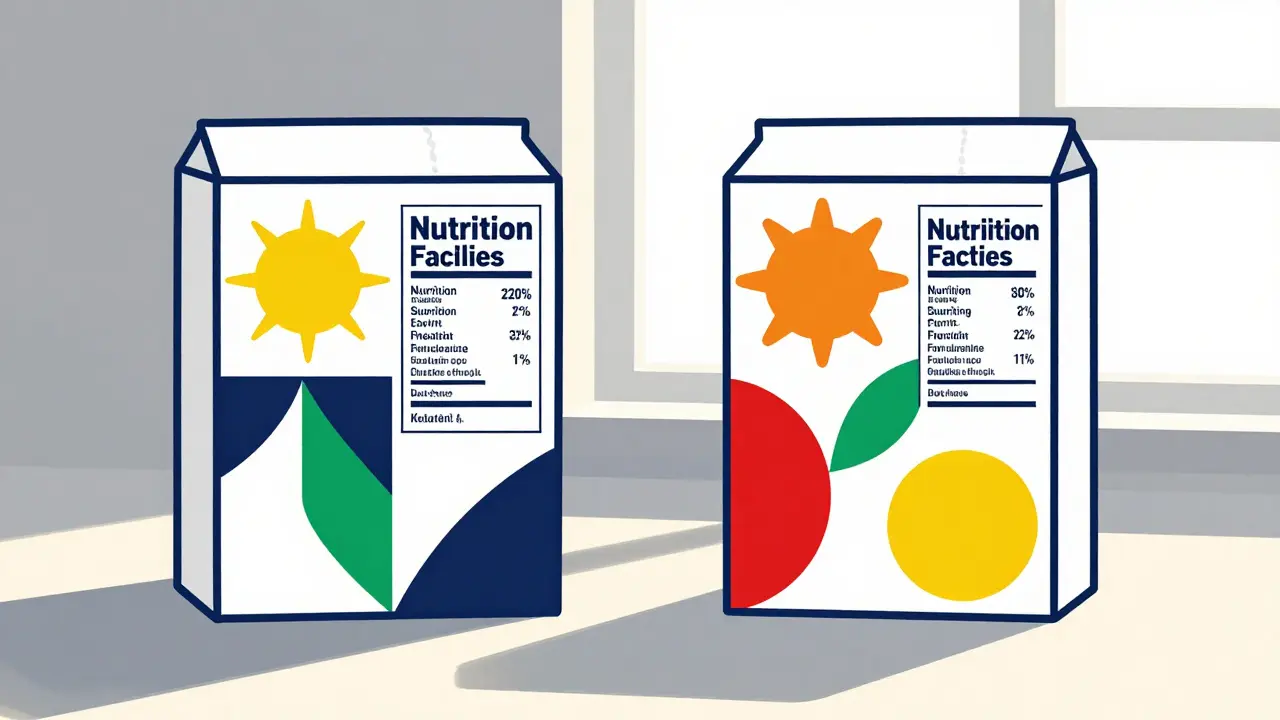
One major challenge is explaining bioequivalence. This term means a generic drug must deliver 80% to 125% of the blood concentration of the brand-name drug. To put it simply: imagine two different brands of cereal. Both have the same nutrition facts, but one might have a slightly different texture. The FDA considers this difference acceptable because it doesn’t affect health outcomes. Consumer language guides use analogies like this to help patients understand that small variations in inactive ingredients (like color or fillers) don’t change how the drug works. For example, a generic version of Nexium (esomeprazole) might look different from the brand name but works just as well for heartburn treatment.
| Resource Type | Readability Level | Comprehension Improvement | Source |
|---|---|---|---|
| FDA technical documents | 14.2 | - | 2021 FDA analysis |
| Standard patient medication guides | 10.7 | - | Journal of General Internal Medicine |
| Consumer language guides | 6.2 | +37 percentage points | University of North Carolina study |
Addressing Common Misconceptions
Some patients worry when their generic pill looks different from the brand name. This is normal. Generics can vary in color, shape, or fillers (like lactose instead of sugar), but these changes don’t affect the drug’s effectiveness. However, there are rare exceptions. For example, certain generic versions of levothyroxine (used for thyroid issues) may require careful monitoring. The FDA and American Association of Clinical Endocrinologists recommend sticking with the same manufacturer for consistent results. Consumer language guides highlight these nuances so patients aren’t confused by oversimplified claims like "all generics are identical."
Real-World Examples of Effective Guides
Major pharmacy chains like CVS, Walgreens, and Walmart now include standardized language guides in patient education. These guides often feature side-by-side images comparing brand and generic packaging. A common example is Tylenol (brand) versus acetaminophen (generic), where the guides explain: "Tylenol is to acetaminophen as Kleenex is to tissues." This analogy helps patients understand that the generic version has the same active ingredient but a different name. The FDA’s "What’s In a Name?" chart, updated in 2022, shows chemical names (e.g., N-(4-hydroxyphenyl) acetamide), generic names (acetaminophen), and brand names (Tylenol). Pharmacists report this chart reduces patient confusion by 82% according to the National Community Pharmacists Association.
Current Trends and Future Developments
Consumer language guides continue to evolve. In March 2023, the FDA launched its "Generic Drug Education Initiative," allocating $4.7 million to develop medication-specific guides for narrow therapeutic index drugs. By January 2025, all Medicare Part D plans must provide standardized materials meeting NIH health literacy standards. Recent updates include clearer explanations of "authorized generics"-brand-name drugs sold without the brand name-which have 28% lower switch-back rates. Industry trends point toward AI-powered tools that customize explanations based on patient literacy levels. Kaiser Permanente launched pilot programs for these tools in early 2024. Experts predict 60% of generic education will be delivered through EHR-integrated tools by 2026, making personalized information more accessible than ever.
Frequently Asked Questions
Are generic drugs safe?
Yes. The FDA requires all generics to meet the same strict standards as brand-name drugs. They must contain the same active ingredient, strength, dosage form, and work the same way in the body. Over 98% of approved generics meet these bioequivalence requirements. Safety issues are extremely rare and usually tied to specific medications like phenytoin, where minor formulation differences can matter.
Why are generic drugs cheaper?
Generic manufacturers don’t have to repeat expensive clinical trials because they prove their drug is equivalent to the brand name. This saves them millions, which they pass on to consumers. On average, generics cost 80-85% less than brand-name drugs. For example, a 30-day supply of Lipitor (atorvastatin) brand costs around $200, while the generic version costs about $10.
Can I trust generic drugs for serious conditions?
For most conditions, yes. The FDA requires rigorous testing for bioequivalence. However, certain medications like warfarin or levothyroxine require careful monitoring. In these cases, your doctor may recommend sticking with a specific brand or generic manufacturer. Always consult your healthcare provider if you have concerns about switching medications.
What’s the difference between generic and authorized generic drugs?
Authorized generics are brand-name drugs sold under a generic label. They’re made by the original brand company but sold without the brand name. For example, the brand-name drug Lipitor is made by Pfizer, and their authorized generic is also produced by Pfizer but sold as "atorvastatin." These have 28% lower switch-back rates than traditional generics because they’re identical to the brand in every way, including manufacturing. Consumer language guides clearly explain this distinction to avoid confusion.
Where can I find reliable consumer language guides?
The FDA’s "Generic Drug Facts" webpage is the most trusted resource. Major pharmacy chains also provide free guides at the point of sale. For personalized help, ask your pharmacist-they’re trained to explain generics using plain language. The Academy of Managed Care Pharmacy offers a consumer toolkit updated in January 2023, and the "People’s Pharmacy" podcast has 17 episodes dedicated to generic drug questions.
Rene Krikhaar
February 5, 2026 AT 20:04Hey I've seen patients confused about generics before. They think cheaper means worse but that's not true. The FDA makes sure generics are just as effective. The active ingredients are the same. The only differences are things like color or fillers which don't matter. Like how two different brands of aspirin work the same. Consumer guides help explain this simply. It's important because people save money without losing effectiveness. I've had patients switch and not know the difference. So these guides are a good idea. They should be more widely used. Pharmacists should use them too. It's all about clear communication. No medical jargon needed.
anjar maike
February 7, 2026 AT 14:28Generics work just as well and cost less. 💯
Dr. Sara Harowitz
February 8, 2026 AT 03:12I'm sorry but this is all wrong! The FDA is not to be trusted! American brand-name drugs are superior! Generics are made in foreign countries with lower standards! We should only trust American-made drugs! This is why our healthcare system is better! You should be ashamed for promoting foreign generics! 😡
Sam Salameh
February 9, 2026 AT 05:10As an American, I love that we have such great generic options! They're affordable and work just fine. We're doing great here. No need to worry. 😊
Brendan Ferguson
February 10, 2026 AT 11:08I see where you're coming from but the FDA's standards are strict for all drugs regardless of origin. Many generics are manufactured in the US. The key is that they meet the same requirements. It's not about nationality but quality control. Maybe we should focus on educating patients better instead of worrying about where it's made.
Carol Woulfe
February 11, 2026 AT 16:50The FDA's so-called 'strict standards' are a complete sham. They're in cahoots with Big Pharma to keep the public in the dark. The bioequivalence testing is often conducted by the same companies that manufacture the drugs. It's a conflict of interest. The 'consumer language guides' are just another tool for manipulation. They present oversimplified information to make people think everything is fine. But in reality, subtle differences in manufacturing processes can lead to serious health issues. Take levothyroxine for example-small variations can cause thyroid imbalances. The government and pharmaceutical companies don't want you to know this. It's all about maintaining control and profits. Only the educated elite truly understand these nuances. The rest of us are left in the dark. This is why we need more transparency and independent oversight. The current system is rigged against the average person. Wake up! It's time to question authority. This isn't about saving money; it's about survival. The truth is out there, but you have to dig for it.
Pamela Power
February 12, 2026 AT 18:46Let's be real here-the pharmaceutical industry's been pulling the wool over our eyes for years. Brand-name drugs cost a fortune, but generics? They're the same damn thing. People need to stop being sheep and realize that the 'brand' is just marketing. I've seen patients pay $200 for Lipitor when the generic is $10. It's ridiculous. The FDA has strict standards, so there's no difference. But because of the way the info is presented in medical jargon, people get scared. Consumer guides help, but we need more transparency. Some doctors push brand names probably because of kickbacks. This whole system is rigged.
Cullen Bausman
February 13, 2026 AT 12:56While I appreciate the sentiment it's important to maintain professionalism. The pharmaceutical industry operates under strict regulatory frameworks. Generics are thoroughly vetted. The notion of kickbacks is unsubstantiated. We should focus on evidence-based information rather than conspiracy theories. It's imperative to uphold the integrity of the healthcare system.
Georgeana Chantie
February 15, 2026 AT 06:04I disagree! Not all generics are the same. Some have different fillers that can affect people with allergies. And what about the 'authorized generics'? They're made by the same company but cheaper. So it's not always straightforward. 😕 Some people trust the FDA too much but they're just another government agency. 🤔