
Euglycemic DKA: Emergency Recognition and Treatment for SGLT2 Inhibitor Users
 Feb, 5 2026
EDKA Alert Checker
EDKA Risk Assessment Tool
This tool helps SGLT2 inhibitor users determine if they need to check ketones immediately. EDKA can occur even when blood sugar is normal.
Results and Next Steps
Important: If you experience severe symptoms or feel worse, call 911 or go to the emergency room immediately.
EDKA can be life-threatening even with normal blood sugar levels.
Even with normal blood sugar levels, a life-threatening condition can sneak up on people taking certain diabetes medications. This is euglycemic diabetic ketoacidosis (EDKA), a dangerous variant of diabetic ketoacidosis where ketones build up dangerously despite blood glucose staying below 250 mg/dL. Unlike traditional DKA, which shows high blood sugar, EDKA often goes unnoticed because the usual warning sign-elevated glucose-is missing. This makes it especially tricky to recognize, leading to dangerous delays in treatment. For patients on SGLT2 inhibitors like Jardiance or Farxiga, understanding EDKA symptoms and emergency steps could be lifesaving.
What is Euglycemic Diabetic Ketoacidosis?
Euglycemic Diabetic Ketoacidosis (EDKA) is a rare but life-threatening condition where the body produces excessive ketones while blood sugar remains near normal levels. Unlike classic diabetic ketoacidosis (DKA), which typically occurs with blood glucose above 250 mg/dL, EDKA happens when glucose stays below 250 mg/dL. This "euglycemic" (normal glucose) presentation is what makes EDKA so dangerous-it can slip past even experienced clinicians. The FDA first added warnings about EDKA in 2015 after multiple cases linked to SGLT2 inhibitor medications. Today, EDKA accounts for about 2.6% to 3.2% of all DKA hospital admissions, with SGLT2 inhibitors increasing the risk by up to 7 times compared to non-users.
How SGLT2 Inhibitors Trigger EDKA
SGLT2 inhibitors are a class of diabetes drugs that work by helping your kidneys remove excess sugar from your blood. Common brands include Jardiance, Farxiga, and Invokana. While these medications effectively lower blood sugar, they also create a perfect storm for EDKA. Here's how: SGLT2 inhibitors force your body to excrete glucose through urine. This lowers blood sugar but also tricks your pancreas into thinking you're low on fuel. In response, your liver starts producing more glucose and your body breaks down fat for energy, creating ketones. Normally, insulin would stop this process, but with SGLT2 inhibitors, the body's insulin response is blunted. This leads to a dangerous buildup of ketones even when blood sugar appears normal.
Recognizing EDKA: Symptoms and Red Flags
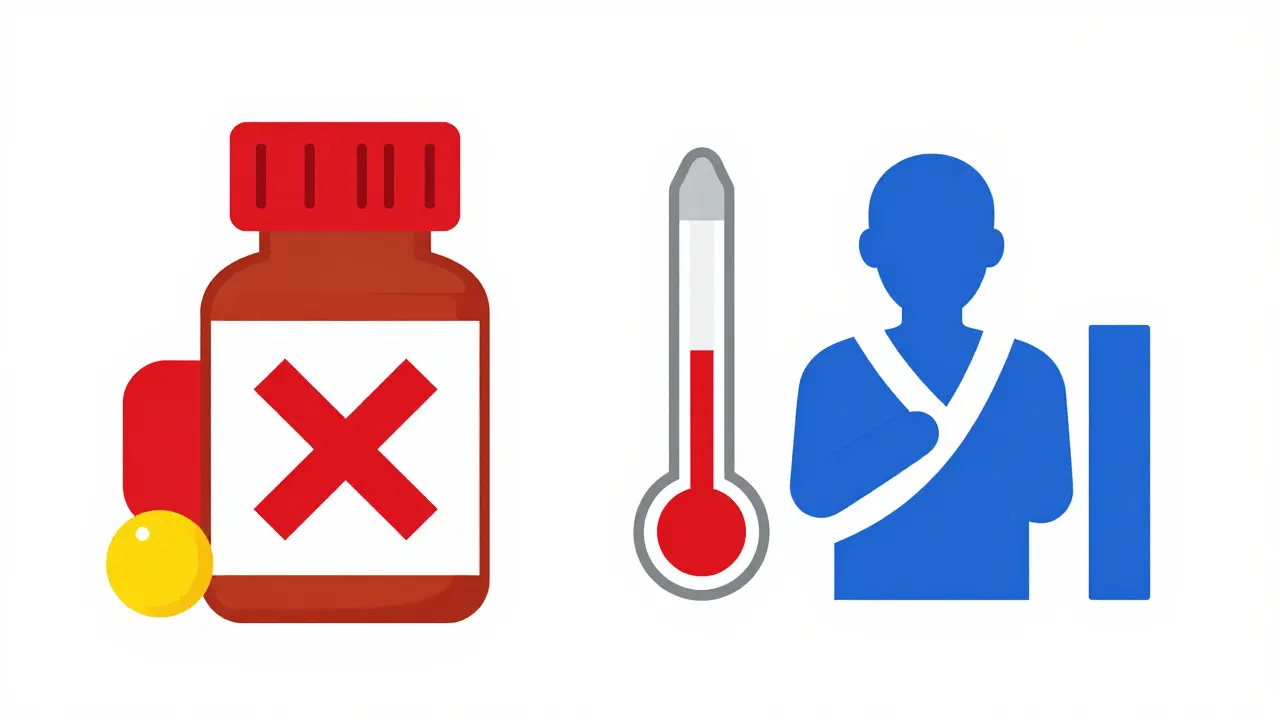
EDKA symptoms mirror traditional DKA but with a critical difference-no high blood sugar to alert you. Common signs include:
- Nausea and vomiting (85% of cases)
- Abdominal pain (65% of cases)
- Difficulty breathing or rapid breathing (Kussmaul respirations)
- Extreme fatigue or unusual tiredness (76% of cases)
- Confusion or dizziness
Here's the kicker: your blood sugar might read 150 mg/dL or lower. Many patients and doctors assume "normal glucose means safe," but that's exactly when EDKA can sneak up on you. In a 2015 study published in Diabetes Care, 13 cases of SGLT2 inhibitor-related EDKA were missed because providers focused on blood sugar levels alone. If you're taking an SGLT2 inhibitor and feel unwell, check ketones immediately-even if your glucose is normal.
Emergency Care for EDKA: What Happens at the Hospital
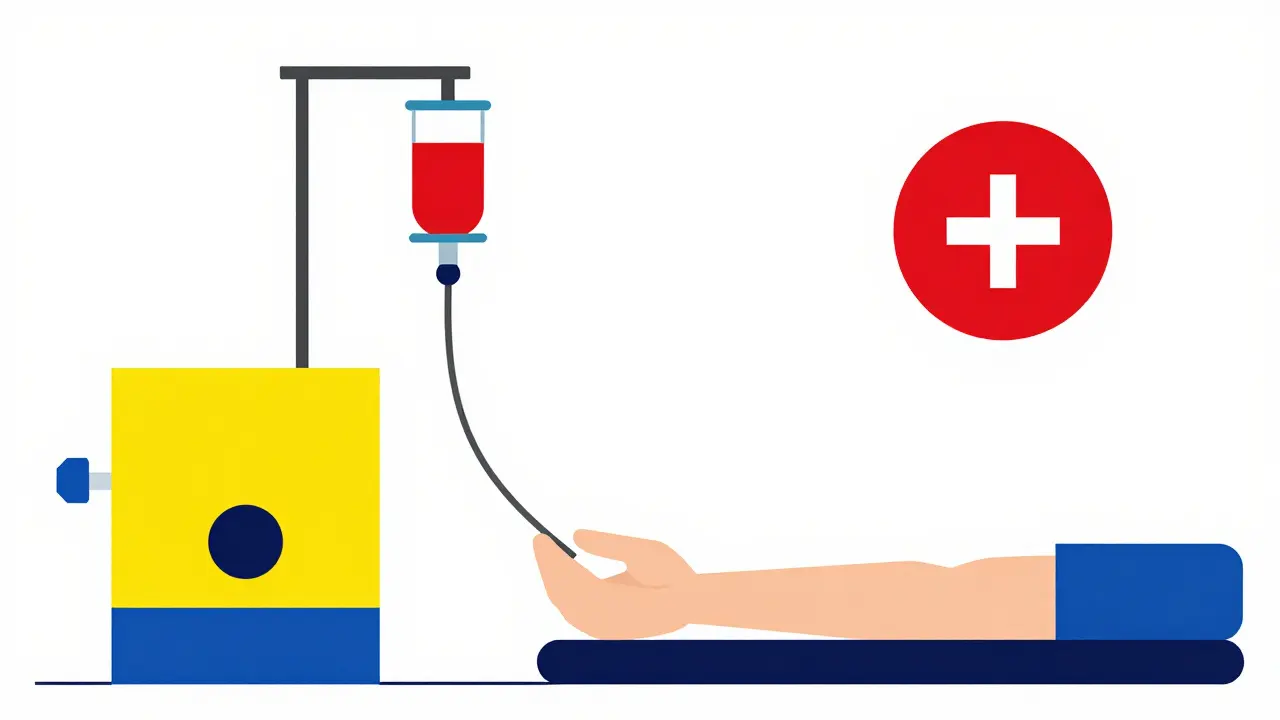
Time is critical. If you suspect EDKA, call 911 or go to the ER. At the hospital, doctors will:
- Test your blood for ketones (beta-hydroxybutyrate) and acid levels
- Start IV fluids to rehydrate and correct electrolyte imbalances
- Administer insulin to stop ketone production
- Monitor potassium levels closely-EDKA often depletes total body potassium despite normal blood levels
- Use glucose-containing IV fluids early to prevent hypoglycemia during insulin treatment
Unlike traditional DKA, where fluids are initially sugar-free, EDKA treatment requires adding glucose to IV fluids sooner. Why? Because SGLT2 inhibitors already lower blood sugar, and insulin therapy can push it dangerously low. The University of California San Francisco's emergency guidelines recommend starting with 0.9% saline and adding dextrose when blood glucose drops below 250 mg/dL. This prevents a dangerous drop in sugar during treatment. Delaying glucose can cause severe hypoglycemia, which worsens outcomes.
Preventing EDKA: Practical Steps for Patients
EDKA is preventable with the right precautions. If you take an SGLT2 inhibitor:
- Stop the medication during illness, surgery, or major stress (like severe infections)
- Check ketones with urine strips or blood meters whenever you feel unwell-even if your blood sugar is normal
- Keep your healthcare team informed about all medications you're taking
- Learn to recognize early symptoms like nausea or abdominal pain
- Discuss alternative diabetes medications with your doctor if you're at high risk
According to the American Diabetes Association's 2022 Standards of Care, patients on SGLT2 inhibitors should receive clear instructions about ketone testing during illness. The FDA requires all SGLT2 inhibitor packaging to include instructions to "stop taking the medication and seek immediate medical attention if you have symptoms of ketoacidosis, even if your blood sugar is normal." This isn't just a warning-it's a lifesaving step.
Frequently Asked Questions
Can type 2 diabetics get EDKA from SGLT2 inhibitors?
Yes. While SGLT2 inhibitors are approved for type 2 diabetes, they can cause EDKA in these patients. About 20% of EDKA cases occur in people with type 2 diabetes who had no prior history of DKA. A 2022 review in Clinical Excellence in Emergency Medicine found that EDKA can happen even in patients with well-controlled type 2 diabetes, especially during illness or reduced food intake. This is why all SGLT2 inhibitor users need to know the risks.
Is EDKA common with SGLT2 inhibitors?
While rare overall, the risk is significant. Studies show SGLT2 inhibitors increase DKA risk by 7 times compared to non-users. For type 2 diabetics, the rate is about 0.16 to 0.76 events per 1,000 patient-years. For type 1 diabetics (who aren't approved for these drugs), off-label use leads to DKA rates of 5% to 12%. The FDA reports that from 2014 to 2015, over 1.7 million patients received SGLT2 inhibitors in the U.S., with many EDKA cases occurring despite normal blood sugar. Awareness has reduced cases by 32% since 2015, but EDKA still makes up 41% of all SGLT2-related DKA cases today.
Should I stop taking my SGLT2 inhibitor if I'm sick?
Yes, absolutely. The FDA and major medical guidelines recommend stopping SGLT2 inhibitors during acute illness, surgery, or other stressors. For example, if you have the flu, a severe infection, or are scheduled for surgery, hold your medication until you recover. Contact your doctor for specific instructions. Never stop diabetes medications without professional guidance, but for SGLT2 inhibitors, temporary discontinuation during illness is a critical safety step to prevent EDKA.
How do doctors diagnose EDKA?
Diagnosis requires three key tests: blood glucose (to confirm it's below 250 mg/dL), serum ketones (beta-hydroxybutyrate >3 mmol/L), and blood pH or bicarbonate (pH <7.3 or bicarbonate <18 mEq/L). Unlike traditional DKA, which relies heavily on high blood sugar, EDKA diagnosis focuses on ketone levels and acidosis despite normal glucose. Many hospitals now use point-of-care ketone meters that give results in minutes. The Cleveland Clinic's 2023 emergency protocol requires all diabetic patients on SGLT2 inhibitors with nausea or vomiting to get ketone testing within 15 minutes of arrival-regardless of blood sugar readings.
Can EDKA happen without taking SGLT2 inhibitors?
Yes, but it's extremely rare. EDKA is primarily associated with SGLT2 inhibitor use. However, other conditions like prolonged fasting, alcohol abuse, or certain medications can cause similar presentations. The key difference is that non-SGLT2 related EDKA is much less common. According to the FDA's 2015 safety communication, most EDKA cases occur in patients taking SGLT2 inhibitors. This is why doctors specifically check for these medications when diagnosing EDKA.
Key Takeaways
- EDKA can occur with normal blood sugar-always check ketones if you feel sick while on SGLT2 inhibitors
- Stop SGLT2 inhibitors during illness, surgery, or stress to prevent EDKA
- Emergency treatment requires glucose-containing IV fluids to avoid dangerous hypoglycemia
- Over 20% of EDKA cases happen in type 2 diabetics with no prior DKA history
- Early recognition saves lives-don't wait for high blood sugar to act
one hamzah
February 7, 2026 AT 07:07Check ketones even if gluose is normal-lifesaver! 😊
Dr. Sara Harowitz
February 8, 2026 AT 08:38Yes! I've seen so many cases where patients ignored ketones because glucose was "normal"-it's a complete trap! The FDA warnings are clear: stop SGLT2 inhibitors immediately if you're sick! And check ketones-always! Don't wait for symptoms to worsen!
Diana Phe
February 10, 2026 AT 04:41They say it's rare, but the real reason SGLT2 inhibitors are pushed is because Big Pharma wants to cover up the dangers. The FDA knew about this for years and still approved them. It's all about the money!
Arjun Paul
February 11, 2026 AT 19:21Patients must be educated about ketone testing. Many doctors don't even check for it. This is a serious oversight that leads to preventable deaths. SGLT2 inhibitors should be banned for type 2 diabetics.
Carl Crista
February 12, 2026 AT 09:39Exactly the pharmaceutical companies are in cahoots with the FDA to keep these drugs on the market despite knowing the risks They don't care about patients only profits Always check ketones and question your doctor's advice
Joyce cuypers
February 14, 2026 AT 05:10I had to stop my Farxiga when I got sick last month. Had a headache and nausea but gluose was 190. Checked ketones and they were high. So glad I did. Always check ketones even if sugar seems okay.
Kieran Griffiths
February 14, 2026 AT 21:04As a healthcare professional, I can't stress enough how critical it is to monitor ketones in patients on SGLT2 inhibitors. Even with normal blood sugar, ketones can spike. This isn't just theoretical-it's happened in my practice. Always check.
Andre Shaw
February 15, 2026 AT 08:22Okay, let's talk about this "euglycemic DKA" nonsense. I've been on SGLT2 inhibitors for years and never had a single issue. The whole thing is overblown by the media. Yeah, sure, there are rare cases, but most people on these drugs are doing just fine. The real problem is that doctors don't educate patients properly. They just say "take this pill" without explaining the risks. But here's the thing: ketones are natural. Your body makes them all the time. The problem is when they get too high. But for most people, the body regulates it. SGLT2 inhibitors are great for weight loss and blood sugar control. The FDA warnings are a bit much. I've seen patients panic over nothing. If you're on these meds, don't freak out. Just keep an eye on your numbers. But honestly, the risk is tiny. The benefits outweigh the risks for most people. Stop scaring patients unnecessarily. There's a difference between rare and common. This isn't like the Vioxx scandal. SGLT2 inhibitors are safe. Just use common sense. Check your ketones if you're sick, sure, but don't go all panic mode. Most people won't have issues. The real danger is when you stop taking your meds without consulting your doctor. That's when things get dangerous. So, take it easy. These drugs save lives. EDKA is a rare occurrence. Don't let fear-mongering scare you away from a good treatment.
Sam Salameh
February 17, 2026 AT 06:37Hey, I see where you're coming from, but I've had patients who got really sick because they ignored ketones. It's not about scaring people-it's about being informed. These drugs are great, but you gotta know the risks. Always check ketones when you're sick. It's not hard, and it could save your life.
Laissa Peixoto
February 19, 2026 AT 05:47EDKA is a complex condition that highlights the importance of understanding individual physiology. While SGLT2 inhibitors are effective for many, the risk of ketone buildup during stress or illness is real. It's not about fear, but about informed decision-making. Always consult your healthcare provider for personalized advice.
Samantha Beye
February 20, 2026 AT 14:54It's scary how easy it is to miss EDKA. Always check ketones when sick-better safe than sorry.
Rene Krikhaar
February 21, 2026 AT 10:36You're right. I've seen cases where patients didn't check ketones and ended up in the ER. It's important to stay vigilant. But don't stress too much-just know the signs and act quickly if needed
divya shetty
February 21, 2026 AT 16:10It is imperative that all patients on SGLT2 inhibitors are thoroughly educated about the risk of euglycemic DKA. Failure to do so constitutes a breach of medical ethics. The healthcare system must prioritize patient safety above all else.