
Health and Medicine Guides – Your Quick Source for Drug Info
If you’re looking for straight‑forward answers about medicines, vaccines, or natural remedies, you’ve landed in the right spot. This page gathers the most useful articles from Alldayawake.com, so you can read what matters without wading through jargon.
What’s Hot Right Now
Herbal Remedies vs Prescription Medications: Clinical Efficacy Compared breaks down how popular herbs like St. John’s Wort stack up against standard pills. Real study results, safety notes, and practical advice help you decide if a botanical approach fits your health goals.
Enalapril in Pregnancy: Safety Concerns and Alternatives looks at why this blood‑pressure drug isn’t the best choice for expectant moms and points to safer options that protect both mother and baby.
Atenolol and Diabetes: What You Should Be Aware Of warns that Atenolol can mask low‑blood‑sugar signs, making glucose monitoring extra important for diabetics on this medication.
More Deep Dives You’ll Find Here
The Role of Vaccination in Preventing Pulmonary Tuberculosis explains how the BCG vaccine works, why it’s still a key tool against TB, and what new vaccines are being tested for better protection.
Sulfamethoxazole and Its Potential Role in Treating Lyme Disease reviews early findings on this antibiotic as an option for tick‑borne infections, noting that more research is needed before it becomes standard care.
Raltegravir and Tuberculosis Co‑Infection: A Comprehensive Guide covers how this HIV drug helps patients fighting both HIV and TB at the same time, highlighting its mechanism and real‑world impact.
Each article follows a simple format: a clear explanation of the condition or drug, key facts you need to know, and quick tips for everyday use. Whether you’re a patient, a caregiver, or just curious about health news, the goal is to give you actionable information fast.
We update these guides regularly as new studies appear and guidelines change. That way you always get the latest insights without having to chase down multiple sources.
If you want to compare treatments, understand side‑effects, or find safer alternatives for specific situations (like pregnancy or diabetes), start with the article that matches your concern. Then explore related posts for a broader view.
Our aim is simple: cut through the medical mumbo‑jumbo and hand you plain facts you can trust. Bookmark this page, check back often, and stay ahead of health decisions with confidence.
Communicating with prescribers: when pharmacists recommend generics
- Apr, 1 2026
- 4
Guidelines for pharmacists on effectively communicating with prescribers regarding generic medication recommendations, focusing on safety, equivalence, and regulatory compliance.
Licensed online pharmacies: how to find safe services
- Mar, 30 2026
- 6
Learn how to identify licensed online pharmacies safely. We cover vital verification steps, accreditation seals, and red flags to avoid counterfeit medications.
Pediatric Safety: Understanding Generic Drugs for Children
- Mar, 27 2026
- 8
Explore critical safety considerations when using generic medications for children, including labeling gaps, physiological differences, and high-risk drug lists to ensure safe administration.
Kidney Function Tests: Creatinine, GFR, and Urinalysis Explained
- Mar, 25 2026
- 10
Learn how kidney function tests work, including creatinine, GFR, and urinalysis. Understand your lab results, normal ranges, and how to protect your renal health with this comprehensive guide.

Indian Generic Manufacturers: The World's Pharmacy and Exports
- Mar, 23 2026
- 8
India supplies 20% of global pharmaceutical exports by volume, making it the world's largest producer of affordable generic drugs. From HIV treatments to vaccines, Indian manufacturers deliver life-saving medicines at a fraction of the cost-powering healthcare systems across the globe.
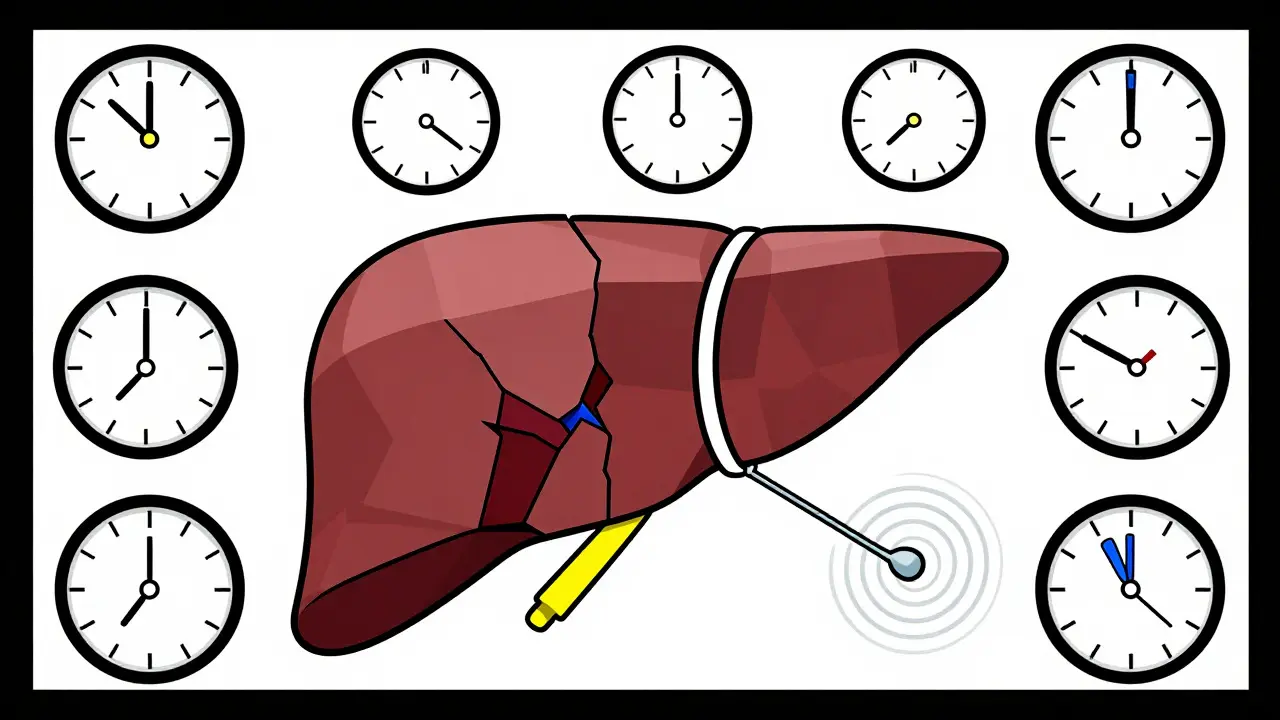
Hepatocellular Carcinoma Surveillance and Treatment in Cirrhosis: What You Need to Know
- Mar, 20 2026
- 13
Hepatocellular carcinoma (HCC) is the most common liver cancer and mostly affects people with cirrhosis. Regular ultrasound screening every 6 months can double survival rates. Learn how surveillance works, who qualifies, and what treatments are available.
Compounding Pharmacies: Alternatives When Drugs Are Unavailable
- Mar, 18 2026
- 9
When drugs run out, compounding pharmacies step in to create custom medications tailored to individual needs-removing allergens, adjusting doses, or changing forms. A vital solution for allergies, pediatric care, and shortages.
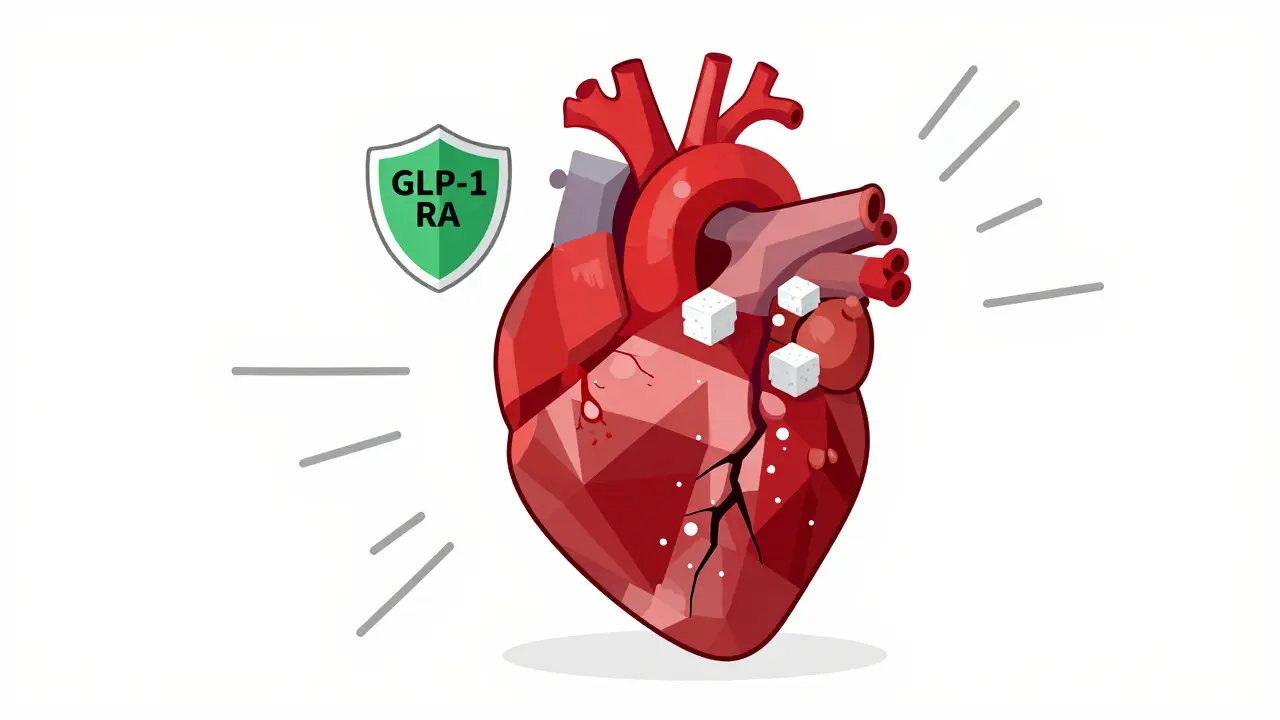
Diabetes and Heart Disease: How Medications and Lifestyle Cut Your Risk
- Mar, 16 2026
- 14
Diabetes dramatically increases heart disease risk, but combining modern medications like semaglutide with proven lifestyle changes can slash that risk by over 60%. This is how it works.
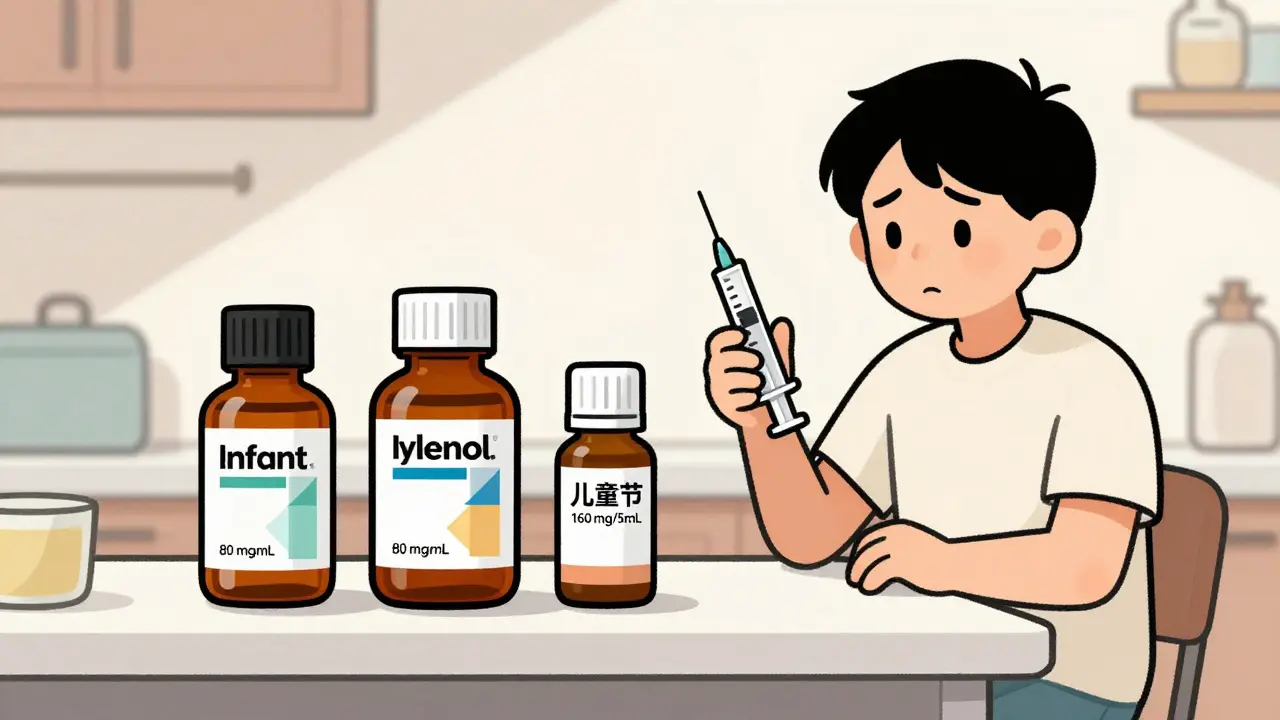
Common Medication Errors and How to Avoid Drug Mistakes at Home
- Mar, 11 2026
- 13
Medication errors at home are more common than you think - and nearly all of them are preventable. Learn the top mistakes, who's most at risk, and simple steps to keep your family safe from drug mistakes.
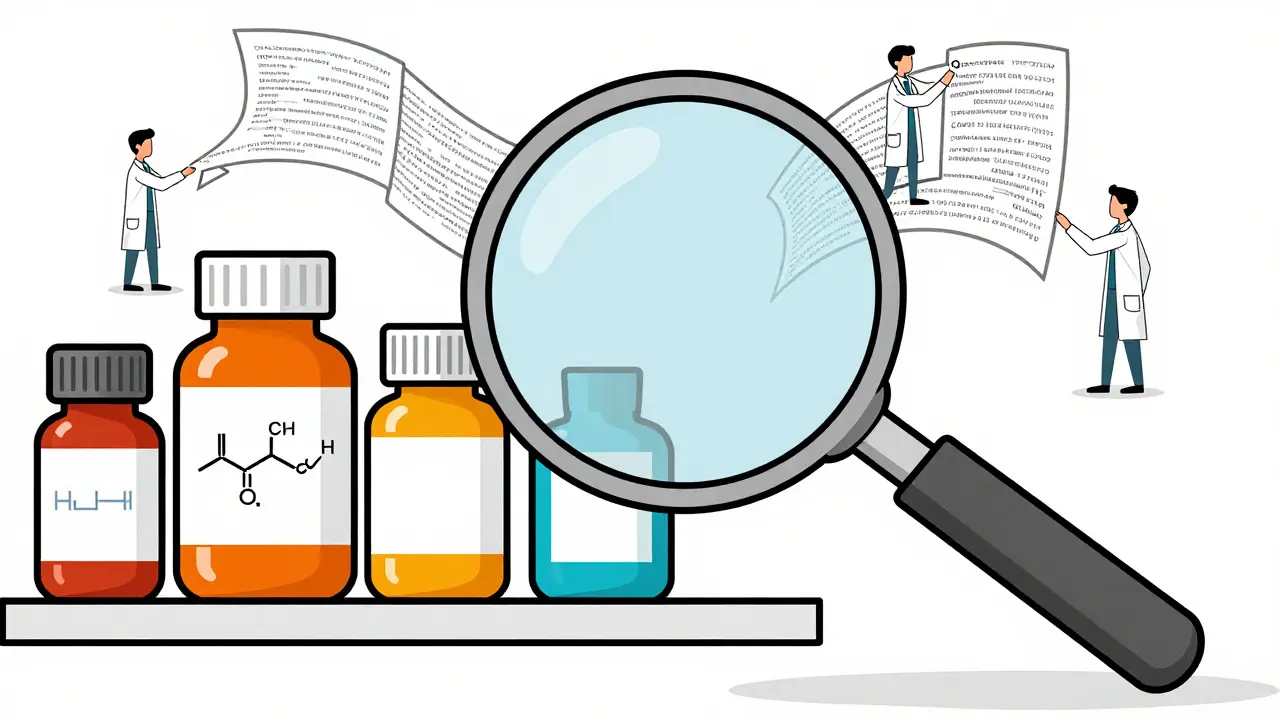
Drug Safety Monitoring: How the FDA Watches Generics After Approval
- Mar, 9 2026
- 9
The FDA doesn't stop monitoring generic drugs after approval. Using real-time data, inspections, and patient reports, they track safety issues that only appear after widespread use. Here's how they catch problems before they become crises.
Categories
- Health and Medicine (76)
- Health and Wellness (57)
- Medicine (37)
- Women's Health (11)
- Mental Health (10)
- Men's Health (7)
- Beauty and Wellness (4)
- Health Information (4)
Archives
- April 2026 (1)
- March 2026 (11)
- February 2026 (11)
- January 2026 (25)
- December 2025 (28)
- November 2025 (25)
- October 2025 (27)
- September 2025 (14)
- August 2025 (3)
- July 2025 (2)
- June 2025 (2)
- May 2025 (3)
- online pharmacy
- medication safety
- generic drugs
- dietary supplement
- health benefits
- dietary supplements
- prevention
- fertility
- online pharmacy Australia
- side effects
- QT prolongation
- medication side effects
- diabetes medications
- GLP-1 agonists
- nocebo effect
- brand vs generic
- treatment
- treatment options
- benefits
- connection