
Kidney Function Tests: Creatinine, GFR, and Urinalysis Explained
 Mar, 25 2026
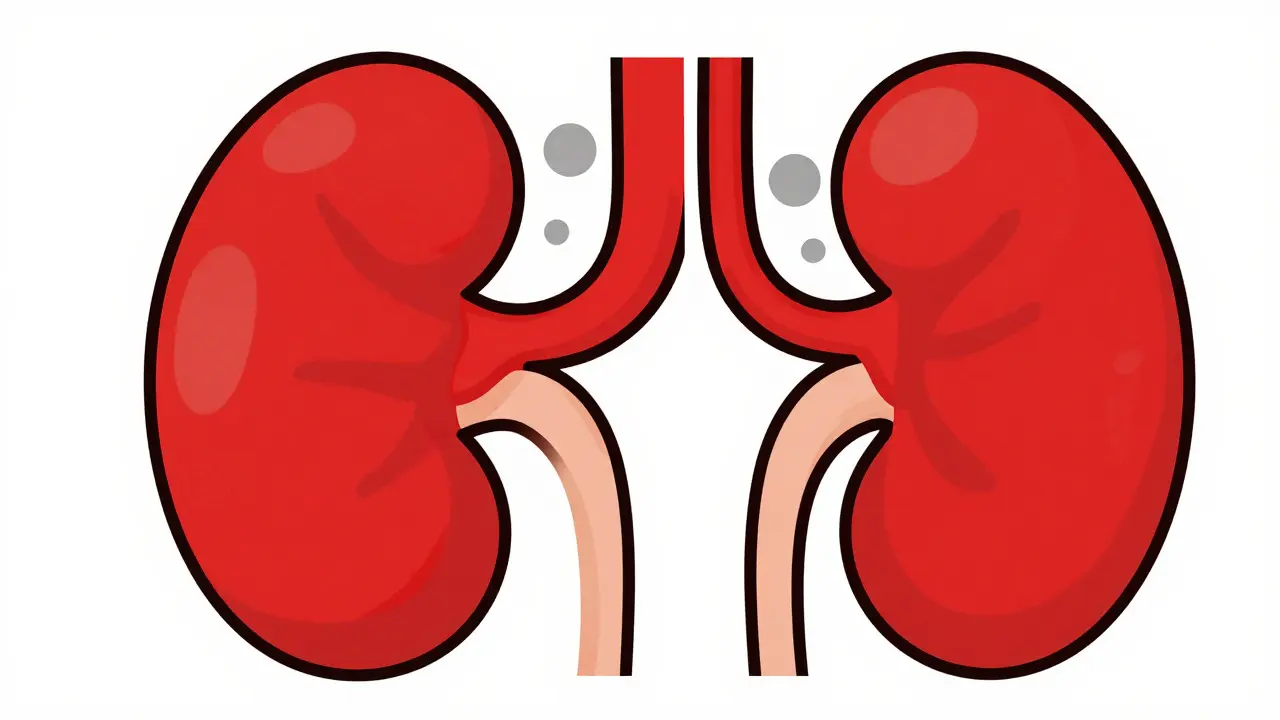
Your kidneys work hard every single day, filtering waste from your blood without you ever noticing. They are silent workers, often only speaking up when something goes wrong. By the time you feel symptoms like swelling or fatigue, significant damage might already be present. This is why understanding Kidney Function Tests is crucial for anyone concerned about their long-term health. These tests are the primary way doctors check how well your organs are filtering toxins and maintaining balance in your body.
Many people walk into a clinic, get a blood draw, and receive a sheet of numbers without knowing what they mean. A high number here, a low number there-it can be confusing. But these results tell a specific story about your renal health. Whether you have diabetes, high blood pressure, or just want to stay proactive, knowing what these markers represent empowers you to take control. Let's break down the specific tests, what they measure, and how to read the results accurately.
What Are Kidney Function Tests?
When medical professionals talk about checking your kidneys, they aren't just looking at one number. They are looking at a combination of blood and urine measurements. These diagnostic procedures evaluate the filtration capacity and overall health of your renal system. The goal is to detect issues early, often before any physical symptoms appear.
Think of your kidneys as a sophisticated filtration plant. They remove waste products and extra fluid from your blood, sending them out as urine. If the filters get clogged or damaged, waste builds up in your bloodstream. Standard testing usually involves two main categories: blood tests and urine tests. Blood tests check for waste products that should have been removed, while urine tests check for substances that should have stayed in the blood but are leaking out.
According to current medical standards, the most practical approach involves estimating your filtration rate and checking for protein in your urine. This dual-testing strategy is the gold standard for assessing renal function. It provides a complete picture that a single test cannot offer on its own.
Understanding Blood Tests: Creatinine and BUN
The most common blood test for kidney health measures Serum Creatinine is a waste product from muscle metabolism that becomes elevated when kidney function declines. Your muscles produce creatinine naturally as they work. Under normal conditions, your kidneys filter it out efficiently. If your kidneys are struggling, creatinine levels in your blood rise.
However, creatinine is not a perfect marker. It is considered a late marker of acute kidney injury. Research indicates that about 50% of kidney function must be lost before a rise in serum creatinine can be detected. This means a normal creatinine level doesn't always guarantee perfect kidney health, especially in the early stages of disease.
Another common blood test is the Blood Urea Nitrogen is a measurement of urea nitrogen levels as a waste product of amino acid metabolism. Urea is another waste product created when your body breaks down protein. Like creatinine, high BUN levels can indicate that your kidneys aren't clearing waste effectively. However, BUN can also be influenced by dehydration or a high-protein diet, so doctors rarely rely on it alone.
These blood markers are essential, but they are just the starting point. To get a clearer picture of how much filtration is actually happening, doctors calculate a derived value based on these levels.
The Gold Standard: Glomerular Filtration Rate (eGFR)
While creatinine gives you a raw number, the Estimated Glomerular Filtration Rate is calculated using creatinine levels, age, sex, and sometimes race to measure how well your kidneys are working. GFR stands for Glomerular Filtration Rate. It represents the volume of fluid filtered from your kidneys per minute. Since measuring actual GFR is complex and invasive, doctors use an estimated GFR (eGFR) based on your blood creatinine level.
The calculation isn't just about the creatinine number. It takes into account your age and sex because muscle mass changes over time and differs between men and women. The most widely accepted formula for this calculation is the CKD-EPI equation, which replaced older methods to improve accuracy.
Your eGFR result is reported in milliliters per minute per 1.73 square meters of body surface area. This number tells you which stage of kidney health you fall into. A higher number means better function. Generally, an eGFR of 90 or higher is considered normal for most adults. If the number drops below 60 for three months or more, it may indicate chronic kidney disease.
It is important to note that eGFR may not be accurate for everyone. It can be less reliable if you are younger than 18, pregnant, very overweight, or very muscular. In these specific populations, doctors might suggest a cystatin C test instead, as it can provide a more accurate estimate of kidney function without being influenced by muscle mass.
Urine Tests: Urinalysis and Protein Detection
Blood tests tell us about waste buildup, but urine tests tell us about damage. One of the earliest signs of kidney disease is when protein leaks into your urine. Healthy kidneys keep protein in the blood. When the filters are damaged, protein slips through.
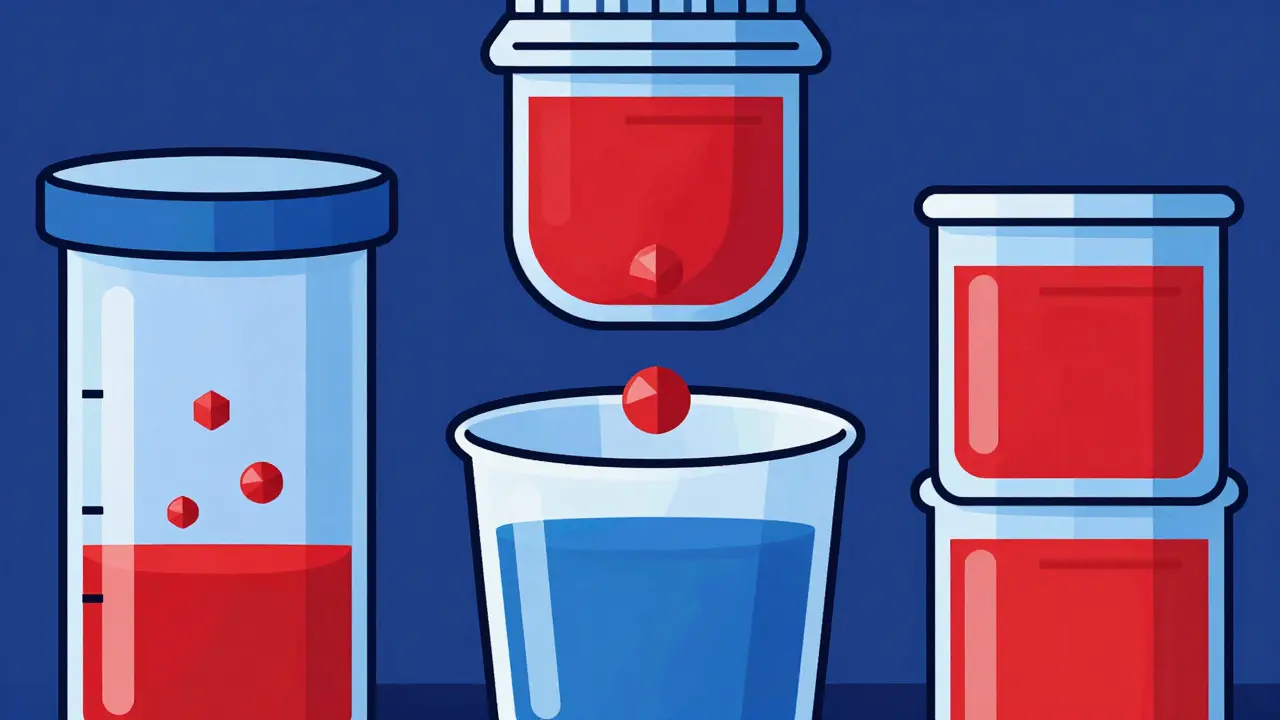
A standard Urinalysis is a urine test that checks for substances like protein, blood, and glucose to assess kidney health. This can be done with a simple dipstick test where chemically treated paper changes color if levels are above normal. However, for screening purposes, quantitative tests are now preferred over simple dipsticks.
The recommended first-line test to assess for proteinuria is the Albumin-Creatinine Ratio is a quantitative test used to assess for proteinuria with better sensitivity compared to older methods. This test measures the amount of albumin (a type of protein) relative to creatinine in a urine sample. It is more accurate than a 24-hour urine test for routine monitoring and is less cumbersome for patients.
For a urine ACR result between 3-70 mg/mmol, guidelines suggest rechecking on an early morning sample to confirm the result. Non-visible blood in the urine (haematuria) should also be confirmed on at least 2 out of 3 consecutive urine tests taken on separate occasions. If protein or blood is consistently present, it signals that the kidney filters are under stress.
In some cases, a 24-hour urine test is required. This measures excess protein and other substances like sodium, potassium, and oxalates over a full day. Patients must collect all urine over 24 hours using large containers. While accurate, this is rarely the first step due to the inconvenience involved.
Interpreting Your Results: Stages of Kidney Function
Once you have your eGFR and urine results, they are often grouped into stages. This helps doctors determine the severity of any condition and plan treatment. The stages are based primarily on the eGFR value.
Stage 1 involves a GFR greater than 90 ml/min/1.73 m². This indicates a normal condition or mild kidney damage, usually confirmed by other signs like protein in the urine. Stage 2 is a GFR between 60 to 89 ml/min/1.73 m², indicating mildly decreased kidney function. Stage 3a is a GFR of 45 to 59 ml/min/1.73 m², showing moderate to severe decreased function.
As the numbers drop, the condition becomes more serious. Stage 3b is a GFR of 30 to 44 ml/min/1.73 m². Stage 4 is a GFR of 15 to 29 ml/min/1.73 m², indicating severely compromised kidney function. Stage 5 is a GFR less than 15 ml/min/1.73 m², which signifies end-stage renal disease or kidney failure.
Understanding these stages is vital. If you are in Stage 1 or 2, the focus is on preventing progression. This often involves managing blood pressure and blood sugar. If you are in Stage 3 or higher, more intensive monitoring and medication adjustments become necessary. The goal is always to preserve remaining kidney function for as long as possible.
When Should You Get Tested?
Not everyone needs these tests every month, but regular screening is important for certain groups. Medical authorities suggest that everyone should get a basic or comprehensive metabolic blood test once a year to monitor kidney health. This is often part of a routine checkup.
However, if you are at higher risk, you need more frequent testing. Patients at risk of developing kidney disease require regular testing with both eGFR AND urine ACR. This includes individuals with diabetes, hypertension, a previous episode of acute kidney injury, or cardiovascular disease. These conditions put extra strain on the kidneys and can lead to damage over time.
If you have a family history of kidney failure, you should also discuss screening with your doctor. Early detection is the key to managing kidney disease effectively. Once significant damage occurs, it is often irreversible. The sooner you identify the issue, the more options you have to slow down the progression.
Limitations and Special Considerations
While these tests are powerful, they are not infallible. As mentioned, creatinine is influenced by muscle mass. A very muscular person might have a higher creatinine level that looks like kidney damage when it is actually just due to their physique. Conversely, someone with very low muscle mass, like an elderly person or someone with malnutrition, might have a normal creatinine level despite having poor kidney function.
Pregnancy also changes how these tests work. During pregnancy, kidney filtration rates naturally increase, so standard eGFR calculations may not be accurate. Doctors use different criteria for pregnant women. Additionally, certain medications can affect test results. For example, some antibiotics or pain relievers can temporarily alter kidney function or interfere with the chemistry of the test.
If your results seem inconsistent with your overall health, ask your doctor about a cystatin C test. This is a blood test that measures a different protein produced by all cells in the body. It is not affected by muscle mass and can provide a clearer picture in complex cases. It is a valuable tool when the standard creatinine-based eGFR is unreliable.
Protecting Your Kidney Health
Knowing your numbers is the first step, but protecting your kidneys is the goal. The kidneys are resilient, but they need support. Managing blood pressure is critical, as high pressure damages the delicate filtering units inside the kidneys. Keeping blood sugar under control is equally important for those with diabetes, as high glucose levels are toxic to kidney tissue.
Stay hydrated, but don't overdo it. Drinking enough water helps your kidneys flush out waste, but excessive water intake isn't necessarily better. Avoid smoking, as it reduces blood flow to the kidneys. Be cautious with over-the-counter pain medications like NSAIDs, which can harm kidney function if taken frequently.
Finally, maintain a healthy weight. Obesity puts extra strain on the kidneys and is linked to an increased risk of kidney disease. By combining regular testing with a healthy lifestyle, you can significantly reduce your risk of developing serious kidney problems. Your kidneys are vital organs, and giving them the attention they deserve can pay off in years of better health.
What is a normal creatinine level?
Normal creatinine levels vary by lab, but generally range from 0.6 to 1.2 milligrams per deciliter (mg/dL) for adult men and 0.5 to 1.1 mg/dL for adult women. Levels above this range may indicate reduced kidney function.
Can kidney function improve after damage?
Acute kidney injury can sometimes be reversed if treated quickly. However, chronic kidney disease involves permanent damage that cannot be reversed, though progression can often be slowed with proper management.
Do I need to fast before a kidney function test?
For a basic metabolic panel, fasting is often recommended to get accurate results, especially for glucose and triglyceride levels. However, for creatinine and BUN specifically, fasting is not always strictly required, but you should follow your doctor's instructions.
Why is protein in urine a bad sign?
Protein in urine, known as proteinuria, indicates that the kidney filters are damaged. Healthy kidneys keep protein in the blood. Leakage suggests the filters are allowing substances through that should be retained.
How often should I check my kidney function?
If you are at high risk due to diabetes or high blood pressure, you should be tested at least once a year. If you have no risk factors, a general health checkup once a year is usually sufficient.
Blessing Ogboso
March 25, 2026 AT 20:57It is truly remarkable how our bodies function without us even noticing the intricate processes happening inside us every single day. We often take our health for granted until something goes wrong and then we are forced to pay attention to the warnings. Kidney disease is particularly insidious because it hides in the shadows until significant damage has already occurred. The information provided here about creatinine and GFR is essential knowledge that everyone should possess. Many people walk into clinics and receive numbers without understanding the gravity of what those numbers signify. Early detection is the only way to prevent the progression from mild damage to complete failure. I have seen friends ignore their symptoms until it was too late to reverse the situation. We must educate ourselves on what protein in the urine means for our long term wellness. The stages of kidney function are a clear roadmap for doctors to follow when treating patients. It is not just about the blood tests but also about the urine analysis that reveals the truth. Hydration plays a massive role in maintaining the efficiency of our filtration systems over time. Diet and lifestyle choices directly impact the strain placed on these vital organs daily. Smoking and excessive medication use can silently degrade function without any immediate pain. We need to advocate for ourselves when we feel something is off rather than waiting for a scheduled checkup. Sharing this information helps spread awareness within our communities about the importance of renal health. It is a collective responsibility to look out for one another and encourage regular screening.
Kevin Siewe
March 26, 2026 AT 19:28It is often overlooked until symptoms become severe. Regular checkups are a small price to pay for long term health. Thank you for the thoughtful comment.
Rama Rish
March 27, 2026 AT 12:21i never knew about the protein test.
Aaron Sims
March 29, 2026 AT 09:48Well, well, well... look at all these numbers! They want you to believe the blood test is the truth. Maybe the labs are just guessing. They say creatinine is waste, but no one knows what else is in there. The system is designed to keep you guessing. Just follow the rules and get your blood drawn without questioning it!!!
Stephen Alabi
March 29, 2026 AT 19:27The methodologies for measuring serum creatinine are established through rigorous clinical trials and peer-reviewed research. To suggest otherwise without citing specific data undermines the integrity of the discussion. Medical professionals rely on these metrics because they correlate strongly with clinical outcomes in large population studies. It is advisable to consult with a nephrologist rather than speculate on laboratory accuracy. The consensus among experts remains steadfast regarding the utility of eGFR calculations. Dismissing established science often leads to delayed treatment and poorer health outcomes for the individual. Please consider the weight of evidence before casting doubt on standard procedures.
Alex Arcilla
March 30, 2026 AT 00:40lol yeah sure doctors know everything about our kidneys. i bet they just look at the paper and guess. my uncle said his creatinine was high but he was fine. probably just the machine is broken. we do not need all these fancy names like GFR. just say if its good or bad. people get scared for no reason with all this info. i hope my kidneys dont fail before i retire. anyway thanks for the post i guess.
Zola Parker
March 31, 2026 AT 06:02Actually, I think water is the real problem not the kidneys. :P Everyone drinks too much and then they get sick. The tests are just a way to sell more medicine. :/ But hey, maybe I am wrong. :)
florence matthews
April 2, 2026 AT 04:49I understand your perspective but please be careful with that advice. :/ Water is essential for life and kidney function. :) We should listen to medical professionals on this one. :)
Rachele Tycksen
April 4, 2026 AT 03:23my mom has high blood pressure so this is relavant. i hope the tests work. dont know much about creatinine. maybe i should check mine. typos everywhere sorry. its late.
Korn Deno
April 4, 2026 AT 20:25interesting read about the stages of kidney disease i never knew stage 5 was end stage renal failure the part about cystatin c was new to me muscle mass really does affect the results in ways people dont expect good to know for older folks or bodybuilders thanks for writing this up
Darlene Gomez
April 6, 2026 AT 17:43We really need to prioritize our health more than we do. This information is empowering and should be shared widely. Do not ignore the signs your body is giving you. Take charge of your medical records and ask questions. Prevention is always better than cure in this scenario. Let us look out for each other and remind friends to get tested. Your health is your greatest asset.
Agbogla Bischof
April 8, 2026 AT 11:41I agree wholeheartedly with the emphasis on prevention. Regular screening is indeed the cornerstone of chronic disease management. It is crucial to maintain accurate records of all test results. Please ensure you follow up with your primary care physician. Thank you for your contribution to this discussion.