
Medication Safety and Management in 2025: Key Issues for Patients and Providers
When it comes to medication safety, the practice of ensuring drugs are used correctly to prevent harm. Also known as drug safety, it’s not just about taking pills on time—it’s about understanding how they interact, who they affect most, and when they do more harm than good. In November 2025, our most-read articles focused on real-world risks: seniors on five or more drugs, parents managing school nurse protocols, and people confused by generic substitutions. These aren’t theoretical concerns—they’re daily decisions that can mean the difference between healing and hospitalization.
Geriatric medication safety, the specialized care needed to protect older adults from harmful drug combinations. Also known as PIMs (potentially inappropriate medications), it’s a growing crisis as the population ages. The Beers Criteria, a widely used list of drugs to avoid in seniors isn’t just a checklist—it’s a lifeline. Meanwhile, antibiotic interactions, how common drugs like antacids or blood thinners can cancel out or dangerously boost antibiotic effects were a major theme. One article showed how taking Tums with ciprofloxacin can turn a simple infection into a life-threatening one. And then there’s biosimilars, lower-cost versions of complex biologic drugs that work just as well. For people with autoimmune diseases or cancer, they’re not just cheaper—they’re more accessible. But only if you know they’re safe to switch to.
Diabetes care didn’t just focus on sugar numbers. We dug into which drugs cause weight gain, which lower heart risk, and which ones make seniors dizzy from low blood sugar. One post broke down why glyburide is risky for older adults, while SGLT-2 inhibitors might be the smarter long-term play. We also covered how a simple mistake—like not timing your calcium with bisphosphonates—can waste 90% of your osteoporosis treatment. And if you’re breastfeeding while on meds? You don’t always need to pump and dump. Just label your milk right.
These aren’t isolated topics. They’re all connected by one truth: medication use is personal. What works for your neighbor might hurt you. The right dose, the right timing, the right label—these details matter more than you think. Below, you’ll find 20+ clear, no-fluff guides on exactly how to avoid the most common, dangerous, and preventable mistakes with drugs. Whether you’re managing your own meds, caring for an aging parent, or helping a child through school, there’s something here that could keep you safe tomorrow.

Pulmonary Embolism: Sudden Shortness of Breath and How It's Diagnosed
- Nov, 29 2025
- 15
Sudden shortness of breath can be a sign of pulmonary embolism - a life-threatening blood clot in the lungs. Learn the key symptoms, how doctors diagnose it, and why early detection saves lives.
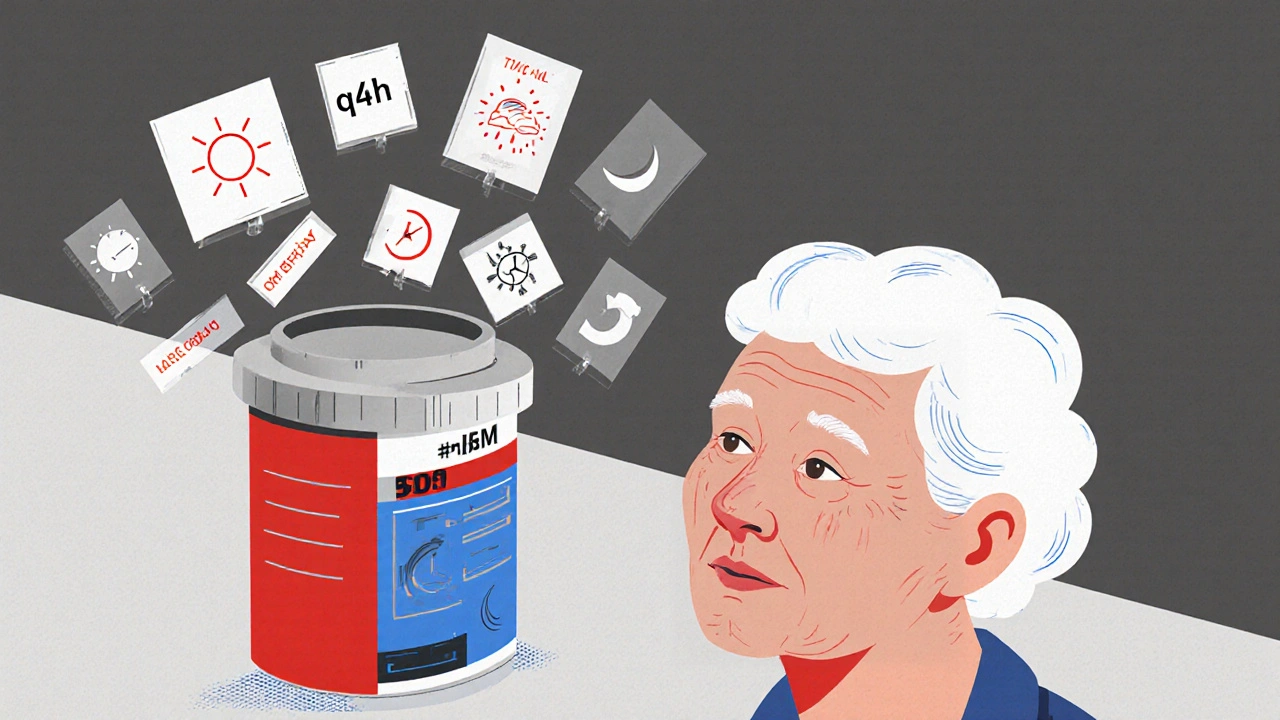
Health Literacy Strategies: How to Read Medication Labels and Avoid Dosing Mistakes
- Nov, 28 2025
- 9
Learn how to read medication labels correctly, avoid dangerous dosing mistakes, and use proven health literacy strategies like the Universal Medication Schedule and pictograms to stay safe with your medicines.
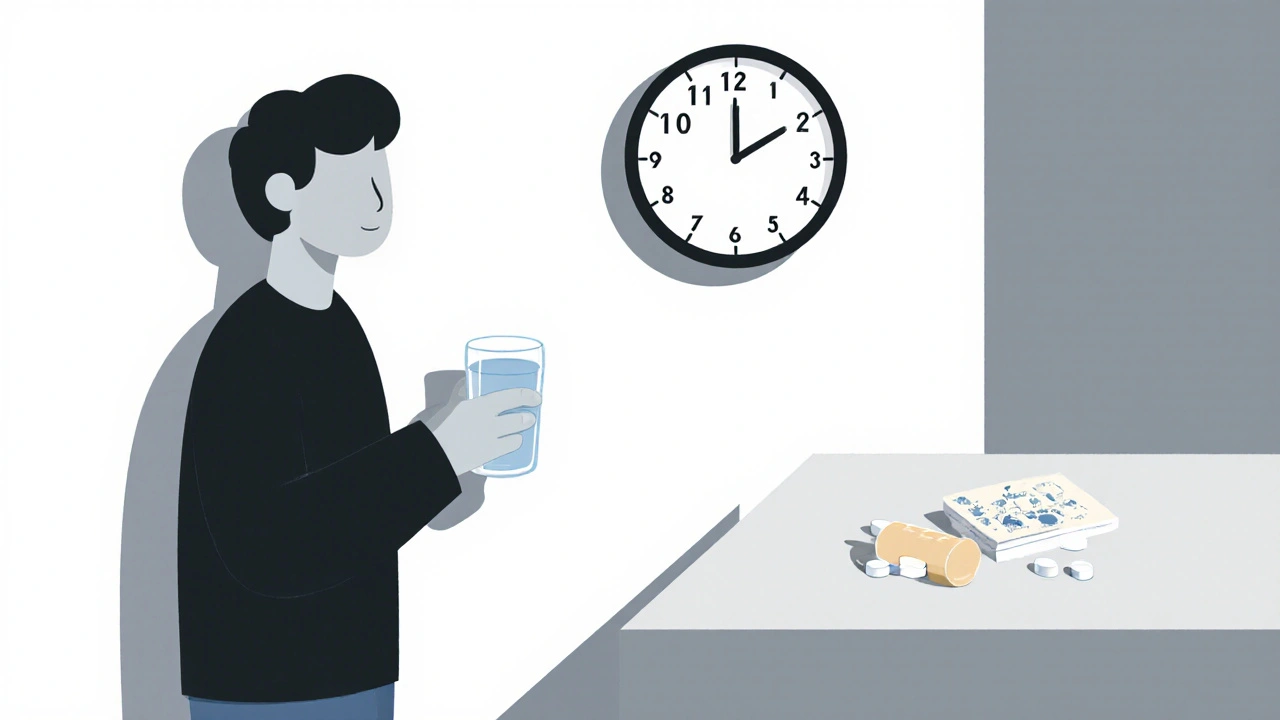
Osteoporosis Medications: How Bisphosphonates and Calcium Work Together (and When They Fight)
- Nov, 27 2025
- 10
Bisphosphonates are powerful osteoporosis drugs, but they only work if taken correctly with calcium. Learn the exact timing rules, common mistakes, and how to avoid losing up to 90% of their benefit.
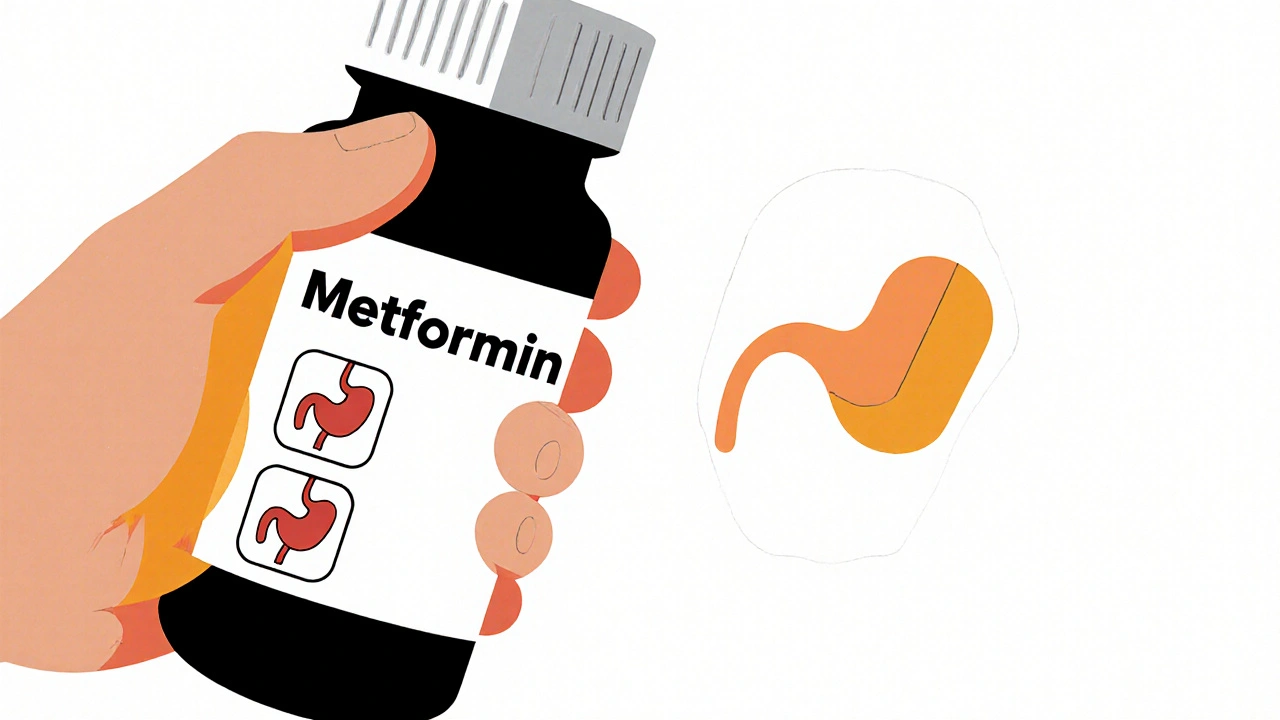
Choosing Diabetes Medications Based on Side Effect Profiles: A Practical Guide for Type 2 Diabetes
- Nov, 26 2025
- 12
Choosing the right diabetes medication means matching side effects to your lifestyle. Learn how metformin, SGLT-2 inhibitors, GLP-1 agonists, and others compare in safety, weight impact, and hypoglycemia risk.
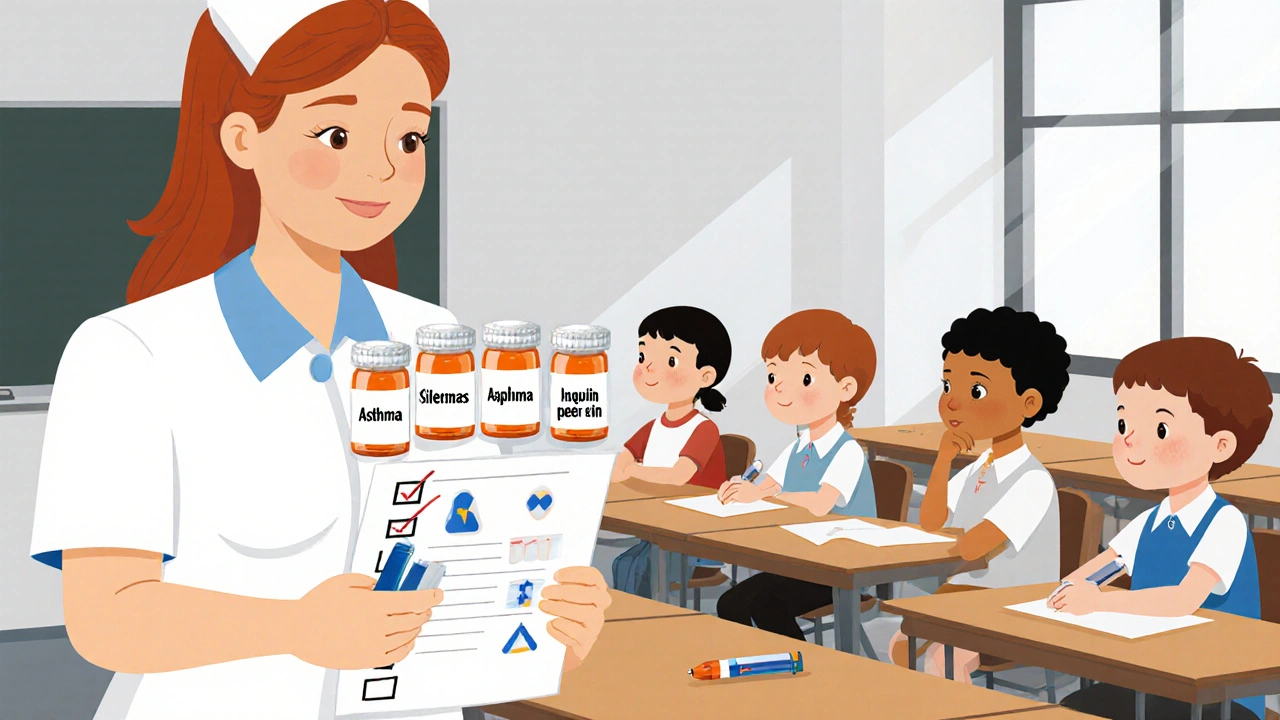
How to Coordinate School Nurses for Daily Pediatric Medications
- Nov, 25 2025
- 12
Learn how school nurses safely coordinate daily pediatric medications using the Five Rights, legal guidelines, and proven protocols to prevent errors and ensure student safety.

Clinical Outcomes with Biosimilars: Do They Work as Well as the Original Biologics?
- Nov, 24 2025
- 14
Biosimilars are proven to work as well as original biologic drugs in treating cancer, autoimmune diseases, and more. They're safer, cheaper, and backed by over a decade of global clinical data.
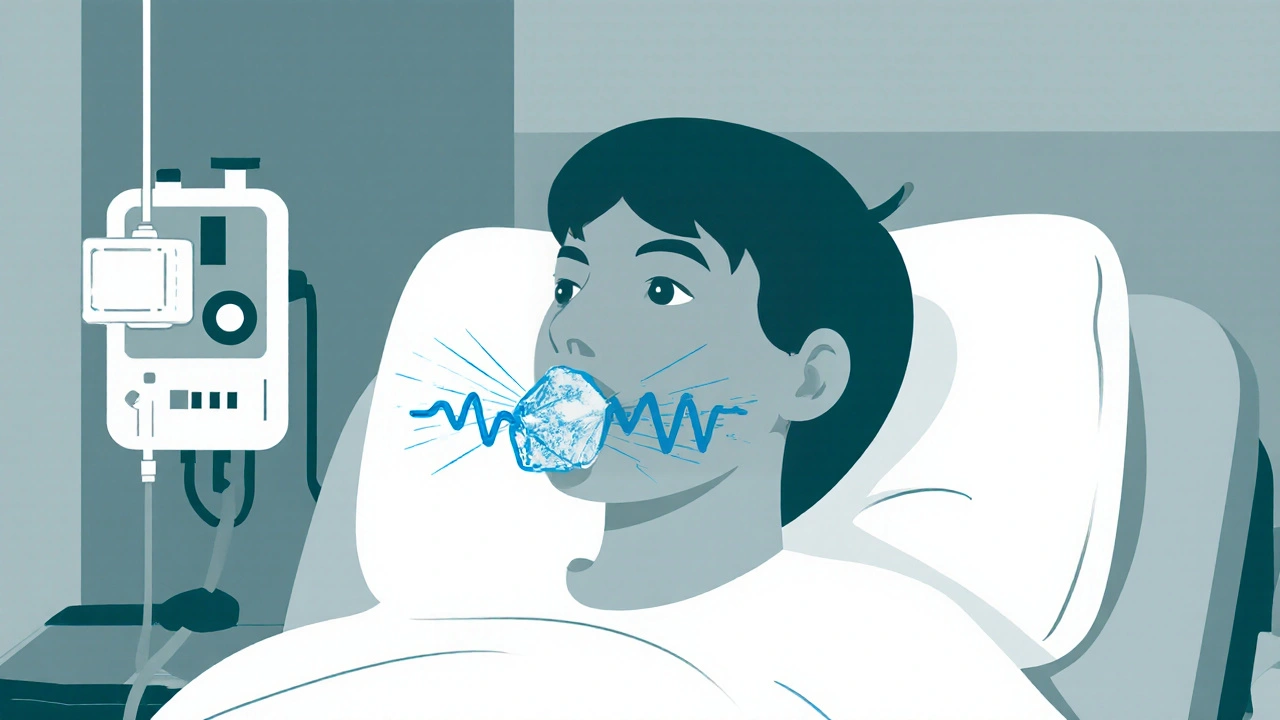
Mouth Sores from Medications: How to Prevent and Care for Them
- Nov, 23 2025
- 13
Mouth sores from chemotherapy and radiation are common and painful, but preventable. Learn evidence-based strategies like cryotherapy, benzydamine mouthwash, and dental prep to reduce risk and manage pain effectively.
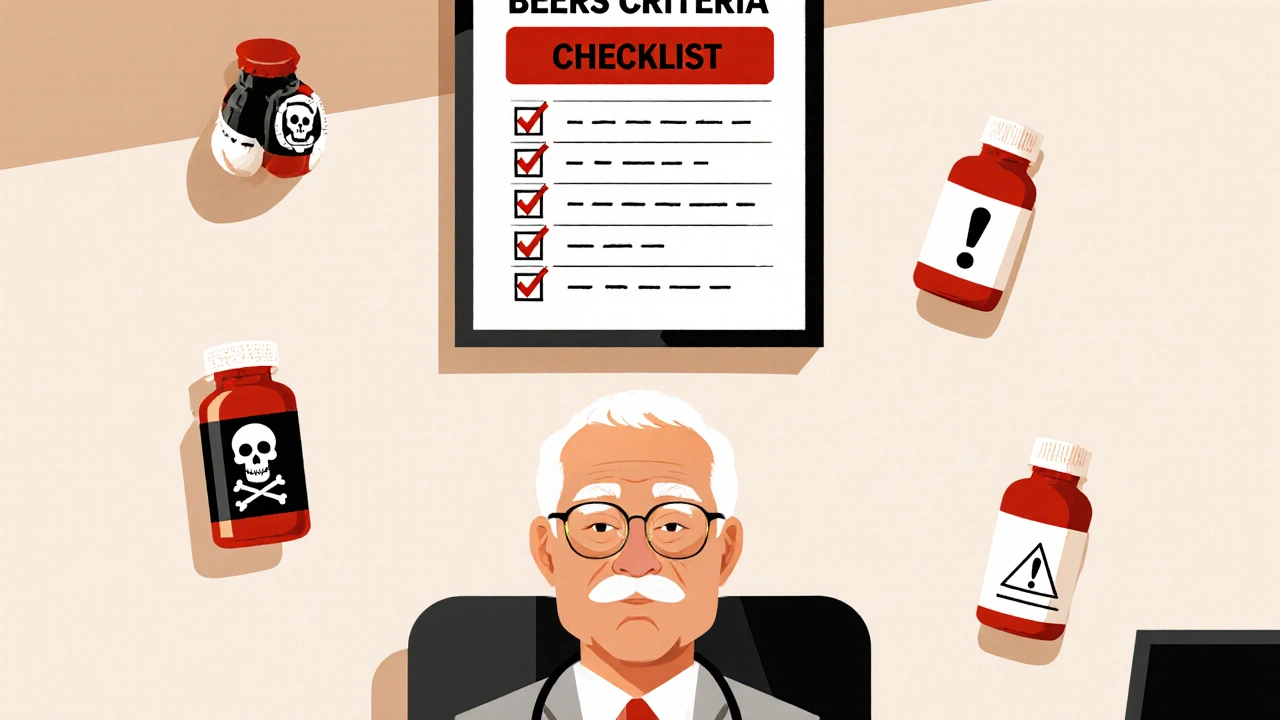
Geriatric Medication Safety: How to Protect Elderly Patients from Harmful Drugs
- Nov, 21 2025
- 15
Geriatric medication safety is critical for protecting older adults from harmful drug interactions. Learn how the Beers Criteria, deprescribing, and pharmacist-led teams are reducing hospitalizations and improving care for seniors.
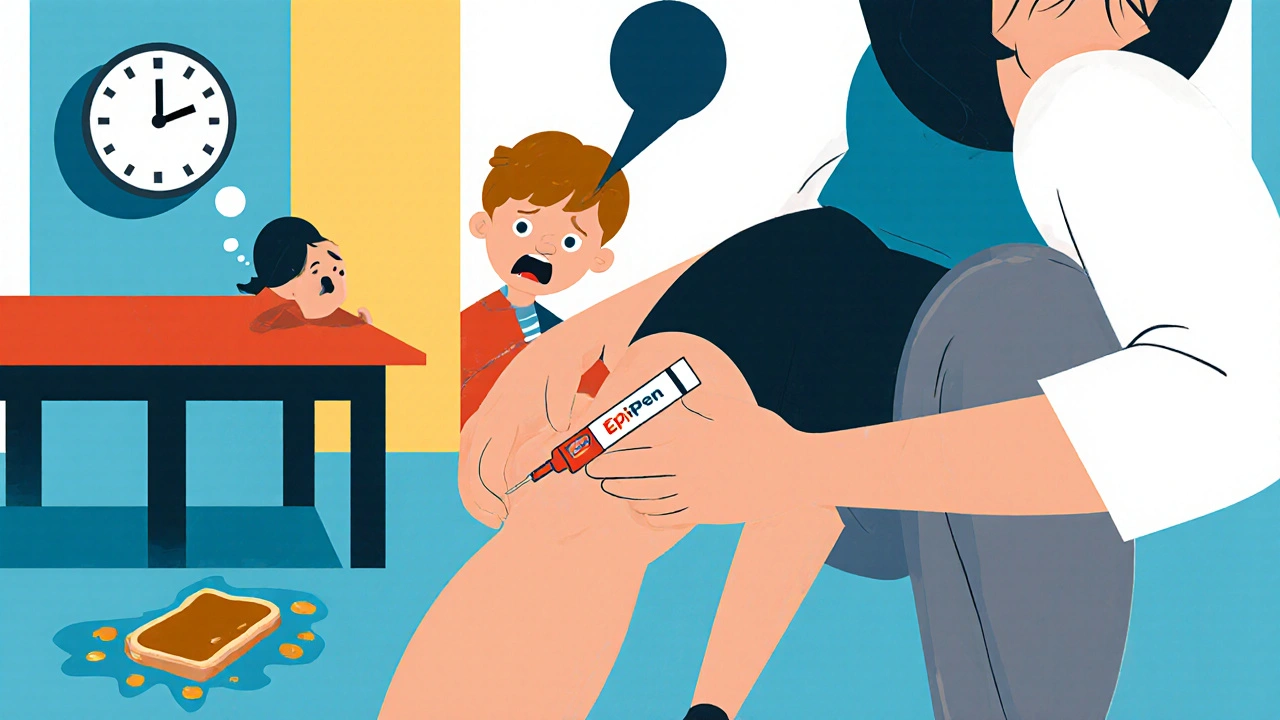
Epinephrine Auto-Injector Training: How to Prevent Mistakes and Save Lives
- Nov, 20 2025
- 13
Epinephrine auto-injector training saves lives-but only if done right. Learn how to prevent deadly mistakes in anaphylaxis response with correct technique, recognition of symptoms, and proven training methods.
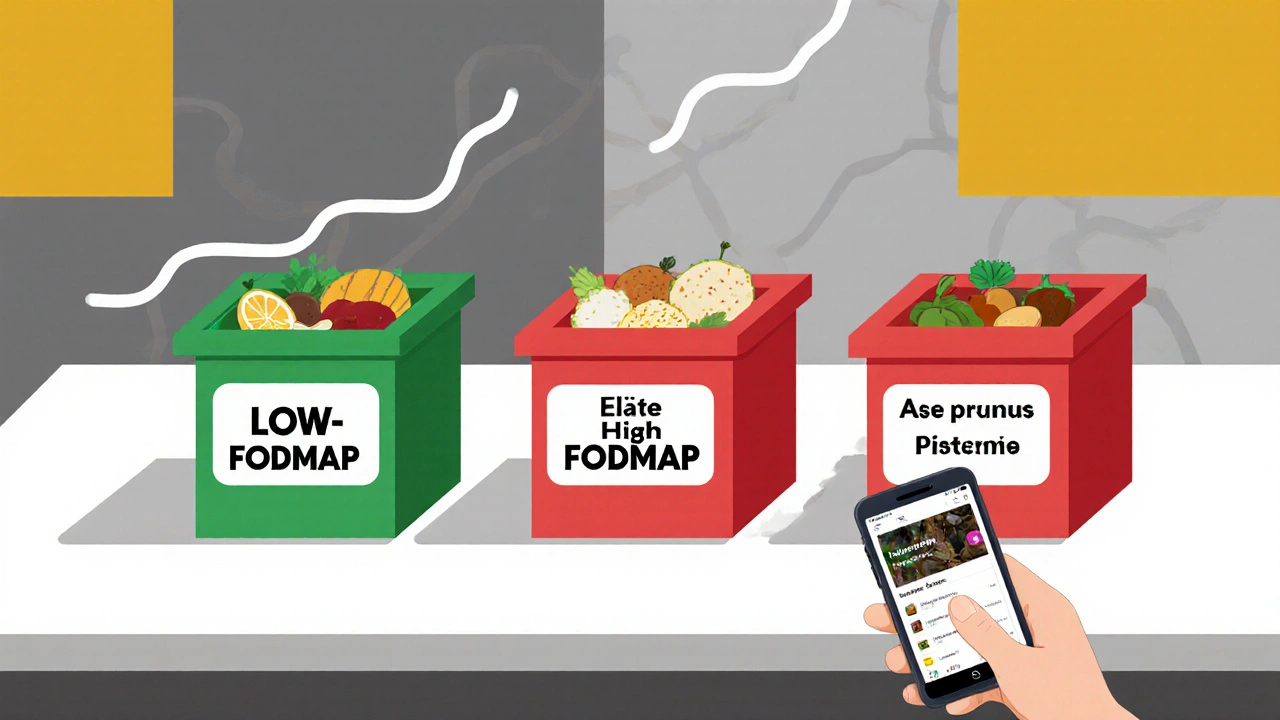
IBS Diet Guide: FODMAP, Low-Residue, and Elimination Plans Explained
- Nov, 19 2025
- 8
Learn how the low-FODMAP, low-residue, and elimination diets work for IBS. Discover which one actually works, how to do it right, and what to avoid. Evidence-based, practical, and backed by Monash University research.
Categories
- Health and Medicine (73)
- Health and Wellness (57)
- Medicine (37)
- Women's Health (11)
- Mental Health (10)
- Men's Health (7)
- Beauty and Wellness (4)
- Health Information (4)
Archives
- March 2026 (9)
- February 2026 (11)
- January 2026 (25)
- December 2025 (28)
- November 2025 (25)
- October 2025 (27)
- September 2025 (14)
- August 2025 (3)
- July 2025 (2)
- June 2025 (2)
- May 2025 (3)
- April 2025 (4)
- online pharmacy
- medication safety
- dietary supplement
- health benefits
- dietary supplements
- generic drugs
- prevention
- fertility
- online pharmacy Australia
- side effects
- QT prolongation
- medication side effects
- diabetes medications
- GLP-1 agonists
- nocebo effect
- brand vs generic
- treatment
- treatment options
- benefits
- connection