
Nocebo Effect: How Negative Expectations Can Make You Feel Worse
When you expect a medicine to make you sick, it sometimes does—nocebo effect, the phenomenon where negative expectations trigger real physical symptoms, even when the treatment is inert. It’s the dark twin of the placebo effect, and it’s happening more than you think. You’re not imagining it. If you’ve ever read a drug label and suddenly felt dizzy, nauseous, or fatigued—even before taking the pill—you’ve felt the nocebo effect in action. It’s not weakness. It’s biology. Your brain, wired to protect you, interprets warnings as threats and triggers real bodily responses.
This isn’t just about pills. The placebo effect, the positive response to an inactive treatment due to belief in its benefit works both ways. Studies show that people told they might get headaches from a drug report them at twice the rate of those told it’s unlikely. In one trial, patients given a sugar pill but warned about nausea had a 25% chance of throwing up—despite no active ingredient. The same thing happens with vaccines, chronic pain meds, and even supplements like St. John’s Wort. Your mind doesn’t wait for the chemistry to kick in—it starts reacting the moment you hear the risk.
And it’s not just individual. medication side effects, unwanted physical or mental reactions caused by drugs, often amplified by fear and misinformation become worse when patients hear horror stories from friends, social media, or even well-meaning doctors who overemphasize risks. A 2021 study in the British Medical Journal found that patients who watched a video listing common side effects of a blood pressure drug were 30% more likely to quit the medication because they felt those side effects—even though they got a placebo. The real drug didn’t cause it. The fear did.
What’s worse? The nocebo effect doesn’t fade with time. It builds. If you’ve had a bad reaction once—even if it was coincidence—you’re more likely to feel it again. That’s why some people swear they can’t take ibuprofen because it gives them stomach pain, but never had it before. Or why some avoid metformin because they heard it causes diarrhea, then feel it the moment they start. The brain learns to associate the pill with the feeling. And once that link is made, the body follows.
But here’s the good part: you can fight it. Knowing the nocebo effect exists is the first step. Talking to your pharmacist, reading medication labels with a calm mind, and asking, "Is this symptom likely from the drug, or from my worry?" can make a difference. Many side effects listed are rare. Many are temporary. Many are unrelated. But fear turns them into certainties.
The posts below dig into real cases where expectations shaped outcomes—from people who felt side effects from antibiotics they didn’t even take, to seniors who stopped diabetes meds because they feared low blood sugar, even when their numbers were fine. You’ll find stories about how nocebo effect interferes with treatment, how to spot it, and how to reduce its power without dismissing real risks. This isn’t about blaming patients. It’s about understanding how your mind and body work together—and how to keep them on the same team.
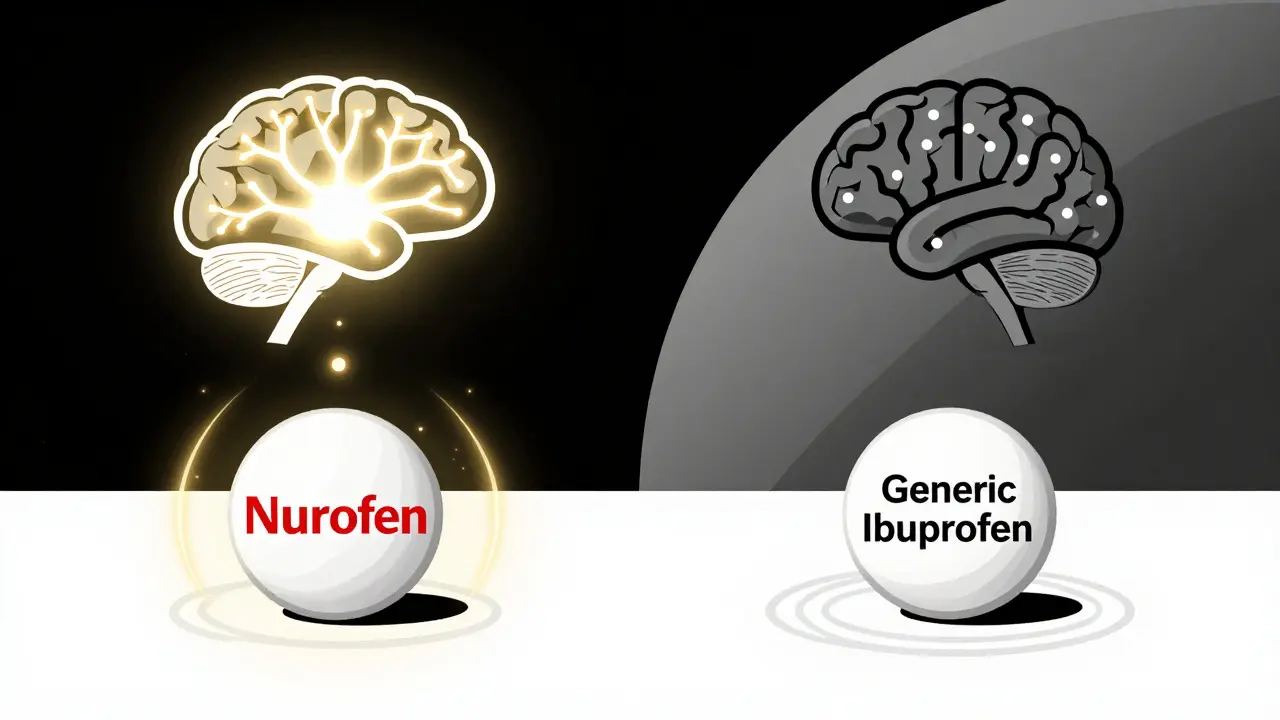
Placebo Effect with Generics: Why Perception Shapes Medication Outcomes
- Jan, 26 2026
- 12
Why do some people feel generics don't work as well as brand-name drugs? Science shows it's not the medicine-it's the mind. Perception, branding, and price shape how your body responds, even when the chemical formula is identical.
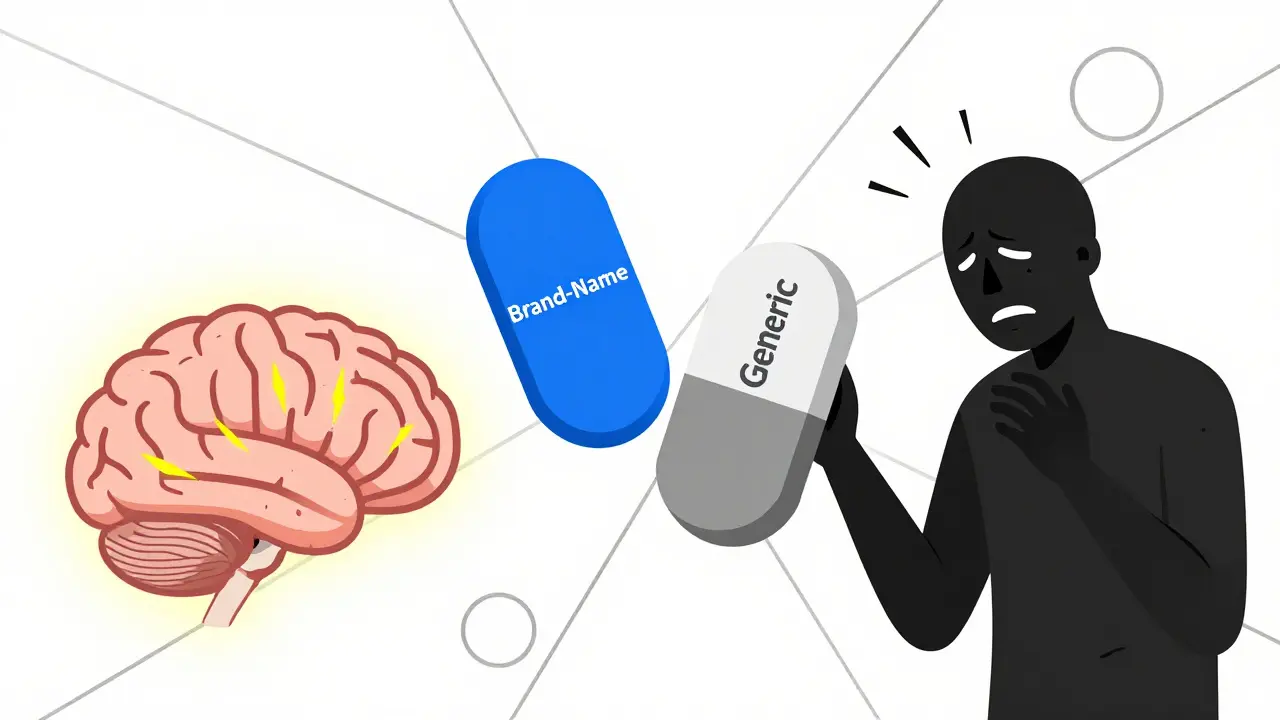
Nocebo Effect: How Negative Expectations Undermine Generic Medications
- Dec, 15 2025
- 15
The nocebo effect can make people feel worse on generic medications - not because the drugs are different, but because of negative expectations. Learn how beliefs shape physical symptoms and what you can do about it.
Psychological Strategies to Manage Anxiety About Medication Side Effects
- Dec, 2 2025
- 8
Learn evidence-based psychological strategies to manage anxiety about medication side effects, reduce fear, and improve adherence. Discover how CBT, ACT, and symptom tracking can help you stay on track with your treatment.
Categories
- Health and Medicine (74)
- Health and Wellness (57)
- Medicine (37)
- Women's Health (11)
- Mental Health (10)
- Men's Health (7)
- Beauty and Wellness (4)
- Health Information (4)
Archives
- March 2026 (10)
- February 2026 (11)
- January 2026 (25)
- December 2025 (28)
- November 2025 (25)
- October 2025 (27)
- September 2025 (14)
- August 2025 (3)
- July 2025 (2)
- June 2025 (2)
- May 2025 (3)
- April 2025 (4)
- online pharmacy
- medication safety
- generic drugs
- dietary supplement
- health benefits
- dietary supplements
- prevention
- fertility
- online pharmacy Australia
- side effects
- QT prolongation
- medication side effects
- diabetes medications
- GLP-1 agonists
- nocebo effect
- brand vs generic
- treatment
- treatment options
- benefits
- connection