
Psychological Strategies to Manage Anxiety About Medication Side Effects
 Dec, 2 2025
Medication Side Effects Timeline Estimator
Learn how long common side effects typically last and what to do during that time. This tool helps reduce anxiety by providing evidence-based timelines for common medication side effects.
Select a medication type and click "Show Side Effect Timeline" to see when symptoms typically resolve.
It’s not unusual to feel uneasy about starting a new medication. Maybe you’ve heard stories from friends about bad reactions. Maybe you scrolled through a long list of possible side effects and felt your heart race. Or maybe you’ve had a bad experience before-nausea that lasted weeks, sleepless nights, or dizziness that made you fear the worst. You’re not alone. Medication side effects are one of the top reasons people stop taking prescribed drugs, even when those drugs are working.
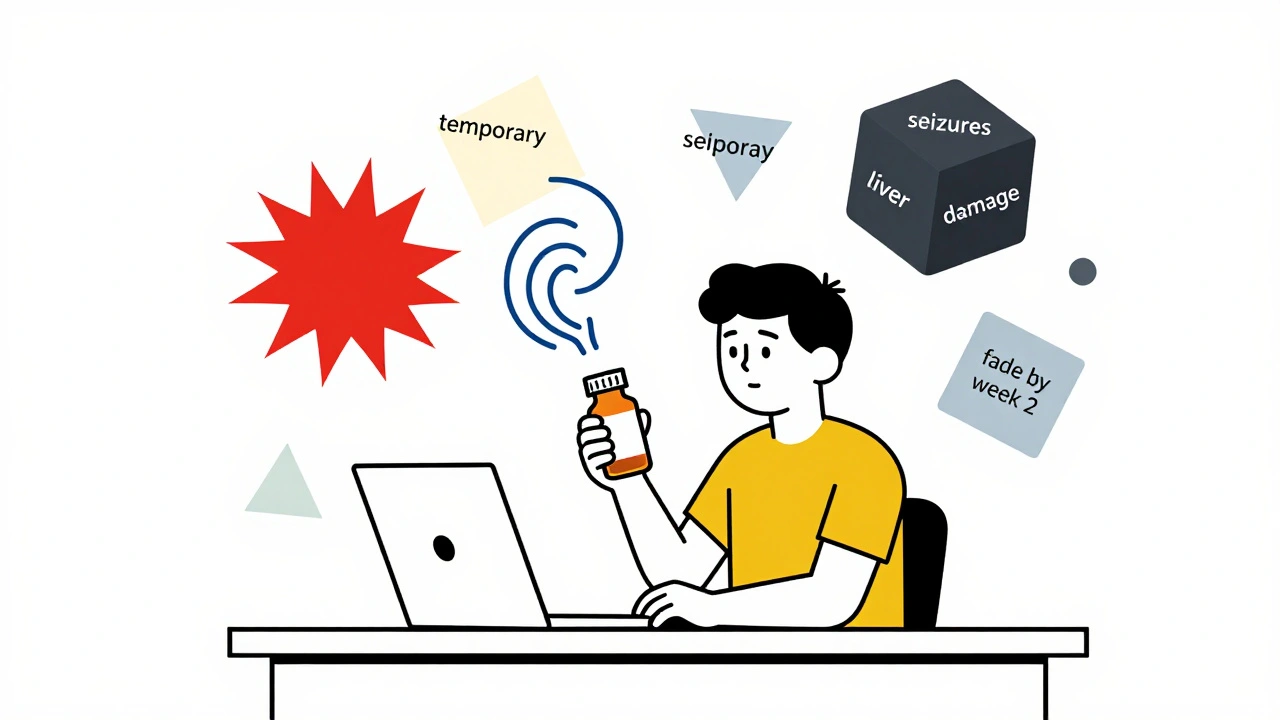
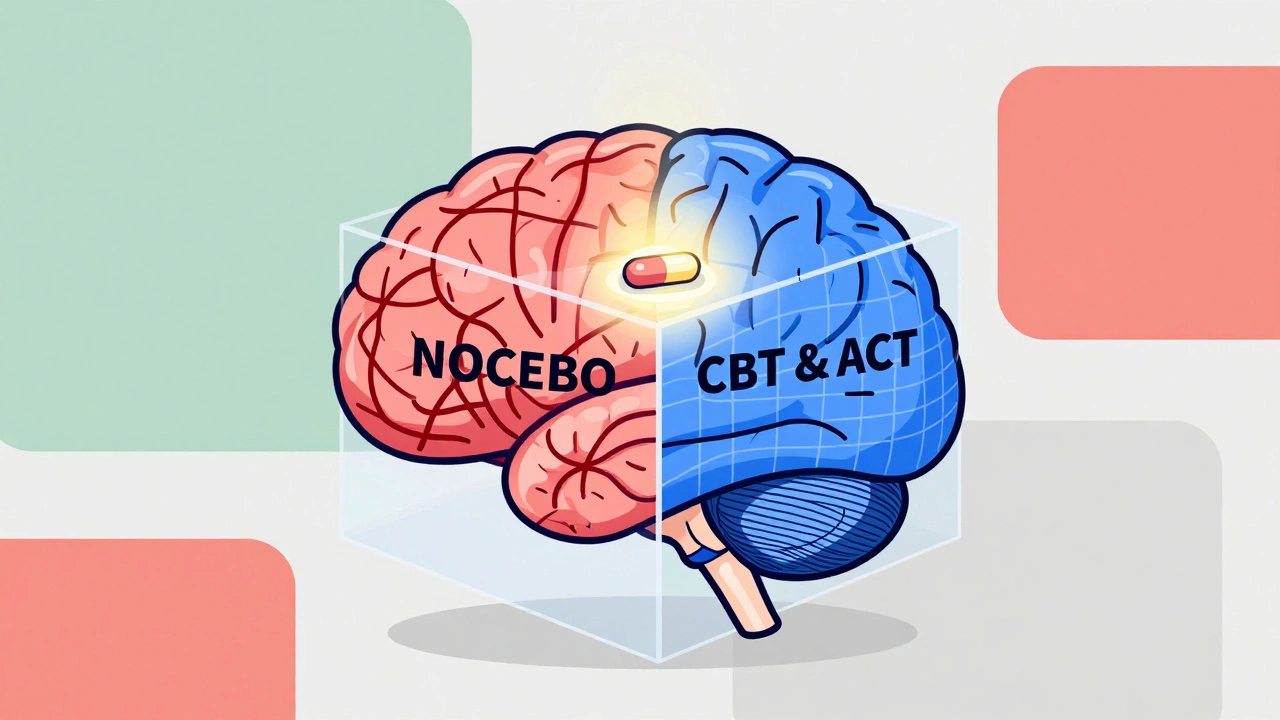
Here’s the truth: most side effects aren’t dangerous. In fact, many are temporary. But the fear? That’s real. And it can be worse than the physical symptoms. Studies show that up to 60% of people on blood pressure meds report anxiety about side effects like fatigue, dizziness, or sexual dysfunction. For those on antidepressants, nausea, headaches, and insomnia are common in the first few weeks-and they often get misinterpreted as signs the drug is harming them. That’s not just worry. It’s a psychological response called the nocebo effect: when expecting harm makes you feel harm, even if the drug isn’t causing it.
Why Your Brain Turns Mild Side Effects Into Catastrophes
Your brain is wired to protect you. When you see a list of side effects like “seizures,” “liver damage,” or “suicidal thoughts,” your mind doesn’t pause to check the probability. It goes straight to worst-case scenario. That’s normal human psychology. But when you’re already anxious about your health, that filter gets stuck on high alert.
Take SSRIs, for example. Up to 70% of people experience nausea or dizziness in the first week. But here’s what most don’t know: those symptoms drop by 80% after two to four weeks of consistent use. Yet, because the discomfort hits hard early on, many people quit before the body adjusts. A 2022 meta-analysis found that patients who received psychological support were 58% less likely to stop their meds than those who didn’t.
It’s not about ignoring symptoms. It’s about not letting fear drive your decisions. The goal isn’t to pretend everything’s fine-it’s to respond with clarity, not panic.
What Works: Evidence-Based Psychological Tools
There’s a growing body of research showing that psychological strategies don’t just help with anxiety-they improve actual health outcomes. Here’s what works, backed by clinical data and patient reports.
Cognitive Behavioral Therapy (CBT) for Medication Anxiety
CBT is the most studied and effective approach. It doesn’t tell you to “just relax.” Instead, it teaches you to spot and challenge distorted thinking. For example:
- Thought: “This dizziness means my blood pressure is crashing.”
- Reality check: “Dizziness is a common initial side effect. My last reading was normal. This started after I took the pill yesterday. It’s likely temporary.”
Studies show CBT reduces medication anxiety by 65-75%. A 2022 study from Boston University found patients who did CBT specifically for medication fears had 47% higher adherence at 12 weeks than those who didn’t. The standard protocol is 6-10 sessions with a trained therapist. Many people feel better after just 4 sessions.
Acceptance and Commitment Therapy (ACT)
ACT is different. Instead of trying to change thoughts, it teaches you to accept them without letting them control you. You learn to say: “I’m feeling anxious about this side effect. That’s okay. I’m still going to take my pill because it’s helping my depression.”
It’s especially helpful for people who’ve tried CBT and felt like they were fighting their own mind. ACT has similar success rates to CBT-60-70%-but shows better long-term results. At six months, 72% of ACT users still stick with their meds, compared to 65% for CBT.
Psychoeducation: Knowing When Side Effects Will Pass
Knowledge is power. When you know what to expect and when it’ll fade, fear loses its grip.
For example:
- SSRI nausea: peaks at days 3-5, fades by days 14-21
- Insomnia from SSRIs: drops from 35% to 15% if taken in the morning instead of at night
- Fatigue from blood pressure meds: usually improves within 3 weeks
A 2021 study in the Journal of Clinical Psychopharmacology found that giving patients these timelines improved adherence by 32%. Just knowing “this won’t last forever” makes a huge difference.
Symptom Tracking and Probability Testing
Write down your symptoms. Not just “I feel bad.” Be specific: “Day 5: nausea after lunch, mild dizziness when standing, slept 5 hours.”
Then ask yourself: “What’s the actual chance this is dangerous?”
Most side effects on the list are rare. For example, liver damage from SSRIs? Less than 1 in 10,000. A 2024 review of 1,243 patient comments found that “probability testing”-questioning how likely the worst is-was 72% effective at reducing anxiety.
The Two-Week Rule
This simple strategy works for almost everyone. Commit to taking your medication for 14 days-even if you feel awful-while using coping tools like symptom tracking, CBT techniques, or mindfulness. After two weeks, reassess. Most side effects have passed by then. If they haven’t, talk to your doctor about adjusting the dose or timing.
A woman in Melbourne, 45, with generalized anxiety, used this method. She’d stopped her SSRI four times before. After implementing the two-week rule and tracking symptoms, she stopped quitting entirely. Her anxiety dropped. Her mood improved. She kept taking the pill.
What Doesn’t Work (And Why)
Some approaches sound helpful but don’t deliver.
- Just being told “it’s normal”: If your doctor says “everyone gets this” without giving you tools, it feels dismissive. You need more than reassurance-you need a plan.
- Waiting until symptoms are unbearable: Waiting too long to act means anxiety builds. Start using coping strategies as soon as you notice side effects.
- Avoiding the medication entirely: That might feel safe now, but untreated depression, high blood pressure, or anxiety can be far more dangerous than temporary side effects.
And here’s a hard truth: if your doctor ignores your fears, you’re more likely to quit. A 2024 review of Drugs.com comments found that 42% of people who stopped meds cited “my doctor didn’t take my concerns seriously” as the main reason.
How to Get Help
Not everyone has access to a therapist. But you don’t need a clinic to start.
- Use a workbook: Dr. Martin Antony’s Managing Medication Anxiety is a self-guided CBT program. Publisher data shows 55% effectiveness when done over 8 weeks.
- Try a digital tool: In March 2024, the FDA approved the first app, SideEffectCope, designed specifically for medication anxiety. It uses CBT techniques and reduced discontinuation by 53% in trials.
- Join a community: The Facebook group “Medication Anxiety Support” has over 14,500 members. People share what worked-like taking meds with food, using ginger tea for nausea, or switching to morning doses to avoid sleep issues.
Many major health systems, like Kaiser Permanente, now include medication anxiety protocols in routine care. But only 35% of clinics offer formal psychological support. If yours doesn’t, ask. You have the right to ask for help managing your fear.
When to Call Your Doctor
Psychological tools are powerful-but they’re not magic. Some side effects need medical attention.
Call your doctor if you experience:
- Severe dizziness or fainting
- Chest pain or irregular heartbeat
- Thoughts of self-harm
- Swelling, rash, or difficulty breathing
- Symptoms that get worse after two weeks
Dr. Charles Nemeroff reminds us: “Overemphasizing psychological management can delay necessary medication changes.” Don’t use CBT to ignore real danger. Use it to avoid quitting because of fear.
The Bigger Picture
Medication anxiety isn’t just a personal struggle-it’s a systemic issue. The global market for psychological support in medication management is projected to hit $2.8 billion by 2028. Telehealth platforms are rolling out standardized protocols. Digital therapeutics are becoming standard. This isn’t fringe science-it’s becoming part of mainstream care.
And it’s working. People are staying on their meds longer. Their health improves. Their lives get better.
You don’t have to suffer in silence. You don’t have to quit because you’re afraid. You can learn to manage the fear. And when you do, the medication can finally do what it’s meant to do: help you feel better.
How long do medication side effects usually last?
Most common side effects-like nausea, dizziness, fatigue, or insomnia-peak within the first few days and fade significantly within 2 to 4 weeks. For example, SSRI-induced nausea typically starts on day 1-2, peaks at day 3-5, and resolves by day 14-21. If symptoms persist beyond 4 weeks or worsen, talk to your doctor.
Can anxiety make side effects worse?
Yes. This is called the nocebo effect. When you expect bad side effects, your brain can amplify them-even if the medication isn’t causing them. Studies show that patients who are told about possible side effects in a negative way report more symptoms than those told the same info in a neutral or positive way. Managing your anxiety can reduce the intensity of these perceived effects.
Is it safe to stop my medication if I feel worse at first?
It’s not usually safe to stop abruptly. Many side effects are temporary and fade with time. Stopping suddenly can cause withdrawal symptoms or make your original condition worse. Instead, use the two-week rule: commit to taking the medication for 14 days while using coping strategies. Then reassess with your doctor.
What’s the difference between CBT and ACT for medication anxiety?
CBT focuses on changing negative thoughts (e.g., “This dizziness means I’m getting sicker”) into more realistic ones (e.g., “This is a common temporary side effect”). ACT helps you accept the thoughts and feelings without fighting them, while still taking action (e.g., “I feel anxious, but I’m taking my pill anyway because it’s helping me”). Both work well, but ACT tends to have better long-term results for some people.
Can I use apps or online tools instead of therapy?
Yes. Apps like SideEffectCope, which is FDA-approved, use evidence-based CBT techniques and have been shown to reduce medication discontinuation by over 50%. Workbooks like Dr. Martin Antony’s also work well if you’re consistent. These aren’t replacements for professional care if you’re struggling severely-but they’re excellent first steps or supplements.
How do I know if my side effects are real or just anxiety?
Track your symptoms daily: what you felt, when, and how intense. Look for patterns. Are symptoms worse on days you’re stressed? Do they improve after you take the pill at a different time? Do they fade after two weeks? If symptoms are consistent with known side effects and improve over time, they’re likely medication-related-not just anxiety. If they’re new, severe, or getting worse, consult your doctor.
Next Steps
If you’re feeling anxious about your medication:
- Write down your top 3 fears about side effects.
- Look up the timeline for each-how long do they usually last?
- Start a simple symptom journal for 14 days.
- Try one coping strategy: take your pill with food, move your dose to the morning, or use a grounding technique when panic hits.
- Ask your doctor: “Can we talk about psychological tools to help me manage this anxiety?”
You’re not weak for feeling this way. You’re human. And you have more power to manage it than you think.
Michael Bene
December 3, 2025 AT 09:40Okay but let’s be real-most doctors just hand you a script like it’s a candy bar and say ‘it’s fine’ while the side effect list is longer than your ex’s apology text. I took sertraline and felt like my brain was being rewired by a drunk IT guy. The dizziness? Yeah. The nausea? Oh hell yes. But I tracked it. Day 3: vomited twice. Day 7: still felt like I was underwater. Day 14: woke up and forgot I was even on the damn thing. The two-week rule saved my ass. No therapy. Just patience and a shitty notes app.
Brian Perry
December 4, 2025 AT 01:19lol i just stopped my meds after 3 days bc i thought i was gonna die from 'headache' and then i realized i had a cold. my brain is a drama queen. also why does every article on this have like 17 subheadings?? i just wanna know if i’ll puke or not. thanks for the essay tho 😅
Chris Jahmil Ignacio
December 5, 2025 AT 16:19Let me cut through the fluff. The pharmaceutical industry knows fear sells. They intentionally bury the real risks under a mountain of 'common side effects' that sound terrifying but are statistically negligible. They want you scared enough to stay on the drug but not scared enough to sue. The nocebo effect? Sure it exists. But so does corporate greed. They don’t care if you feel dizzy-they care if you keep paying. And don’t get me started on those FDA-approved apps. Another product to monetize your anxiety. You think they’re helping you? They’re just digitizing the same scam.
Paul Corcoran
December 7, 2025 AT 00:21Man, I wish I’d had this when I started my antidepressants. I quit three times before I figured out that the brain fog wasn’t a sign the drug was killing me-it was just my brain adjusting. I started journaling every night: 'Today I felt shaky after lunch. Took a walk. Felt better by dinner.' That tiny habit changed everything. You don’t need a therapist to start. Just write one sentence. Then another. You’re not broken. You’re adapting. And you’re not alone. Seriously-someone out there is feeling exactly what you’re feeling right now. Keep going.
Colin Mitchell
December 7, 2025 AT 19:32Just wanted to say-this is the kind of post that makes me believe the internet can still be a good place. I’ve been on blood pressure meds for 2 years and still get anxious when the side effects pop up. The symptom tracker tip? Game changer. I started noting when I felt tired and realized it was always after heavy meals. Switched to taking my pill with breakfast and boom-energy came back. Small tweaks. Big wins. Thanks for sharing the real stuff, not just the textbook answers.
Susan Haboustak
December 9, 2025 AT 06:30Interesting how this post frames anxiety as a cognitive flaw rather than a legitimate response to a system that gaslights patients. You cite studies, yes-but where are the studies on how often doctors dismiss concerns? Where’s the data on how many people develop chronic withdrawal because they were told 'it’s just anxiety'? This isn’t about 'managing fear.' It’s about demanding better care. And if your doctor doesn’t take your fear seriously? That’s not your problem. That’s theirs.
Siddharth Notani
December 10, 2025 AT 16:21Respectfully, the two-week rule is excellent. I have seen patients in India who discontinue SSRIs due to cultural stigma around mental health and fear of side effects. Simple psychoeducation-like explaining that nausea peaks at day 3 and fades by day 14-reduces discontinuation by over 40%. A printed one-pager with timelines, given during prescription, works wonders. No app needed. Just clarity.
Akash Sharma
December 11, 2025 AT 01:31I’ve been on three different meds over the last five years and each time, the same panic hits. I thought I was losing my mind. But here’s what I learned: side effects aren’t random. They follow patterns. I started reading Reddit threads from people who’d been on the same drug for a year. One guy said his insomnia only happened if he took it after 6 PM. I tried taking mine at 8 AM and slept like a baby. The real hack isn’t therapy-it’s collecting real-world data from people who’ve been there. The studies are great, but the lived experience? That’s gold. I wish someone had told me this sooner. Also, ginger tea for nausea? 10/10. No joke.