
Medication Side Effects: What You Need to Know Before Taking Any Pill
When you take a medication side effects, unintended physical or mental reactions that happen after taking a drug. Also known as adverse reactions, these are not rare accidents—they’re predictable, documented, and often preventable. Every pill you swallow has a job, but it also has a shadow side. That’s why understanding medication side effects isn’t just about reading the tiny print—it’s about staying safe.
Some side effects are annoying but harmless: a dry mouth from an antihistamine, a little nausea after antibiotics. Others? They’re emergencies. Neuroleptic Malignant Syndrome, a rare but deadly reaction to antipsychotics that spikes body temperature and paralyzes muscles can kill you in hours if missed. Torsades de Pointes, a dangerous heart rhythm triggered by certain drugs that prolong the QT interval shows up without warning. And for seniors, hypoglycemia, dangerously low blood sugar caused by diabetes meds like glyburide is the top reason older adults end up in the ER.
It’s not just about the drug itself—it’s about what else you’re taking. antibiotic side effects, like yeast infections or gut disruption get worse when you’re also on antacids or caffeine. Warfarin, a blood thinner, can turn deadly if mixed with certain antibiotics. Even something as simple as calcium supplements can block your osteoporosis meds if taken at the wrong time. These aren’t hypothetical risks—they’re real, tracked, and avoidable with basic timing and awareness.
And it’s not just about the pills. Your age, your diet, your other conditions—all change how your body reacts. A drug that’s fine for a 30-year-old might be risky for a 70-year-old. A medication that helps one person’s diabetes might cause weight gain or low blood sugar in another. That’s why choosing meds isn’t just about the diagnosis—it’s about matching the side effect profile to your life. Do you work nights? Avoid drugs that cause drowsiness. Are you breastfeeding? Some meds pass into milk. Are you on five or more pills? You’re at risk for dangerous interactions.
Below, you’ll find real, practical guides from people who’ve been there—parents coordinating school meds, seniors avoiding dangerous combos, patients spotting early signs of reactions before they turn critical. No fluff. No theory. Just what works, what to watch for, and how to act before it’s too late.
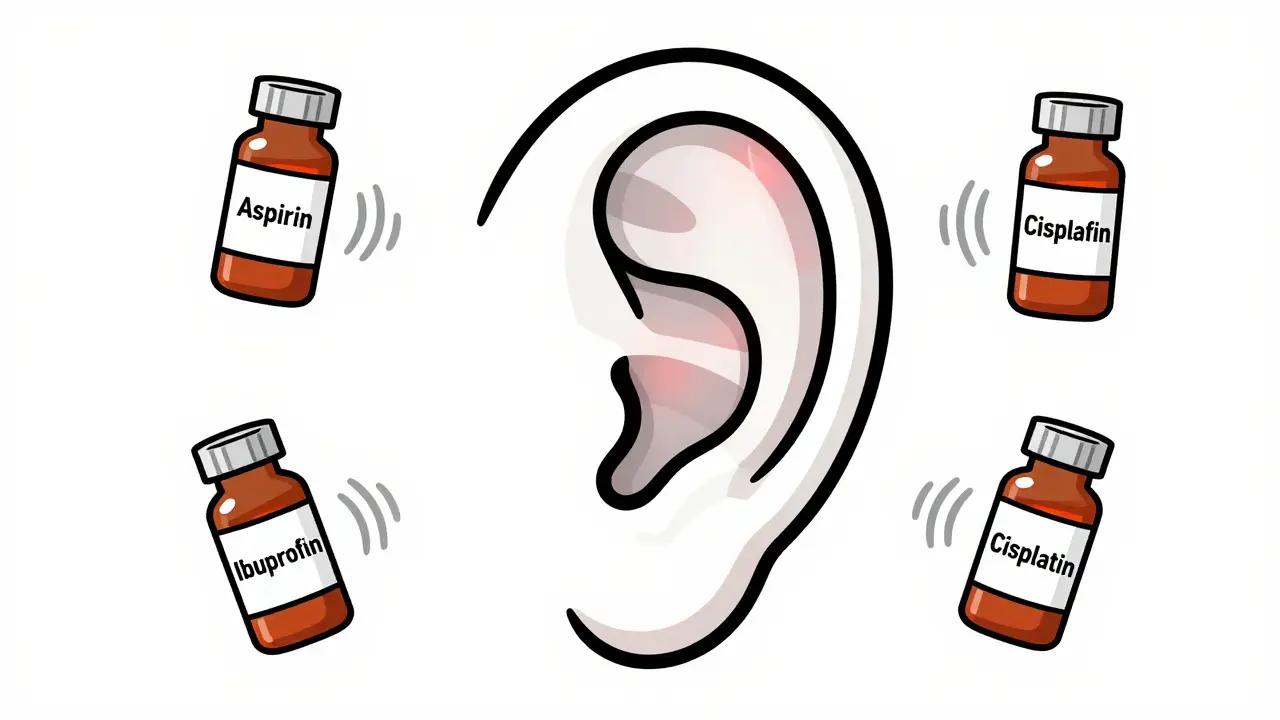
Tinnitus and Ringing in the Ears from Medications: What to Know
- Jan, 28 2026
- 11
Many medications can cause ringing in the ears-known as tinnitus. From aspirin to antibiotics and chemo drugs, here’s what you need to know about which ones pose a risk, how fast symptoms appear, and what to do if you notice hearing changes.
Psychological Strategies to Manage Anxiety About Medication Side Effects
- Dec, 2 2025
- 8
Learn evidence-based psychological strategies to manage anxiety about medication side effects, reduce fear, and improve adherence. Discover how CBT, ACT, and symptom tracking can help you stay on track with your treatment.
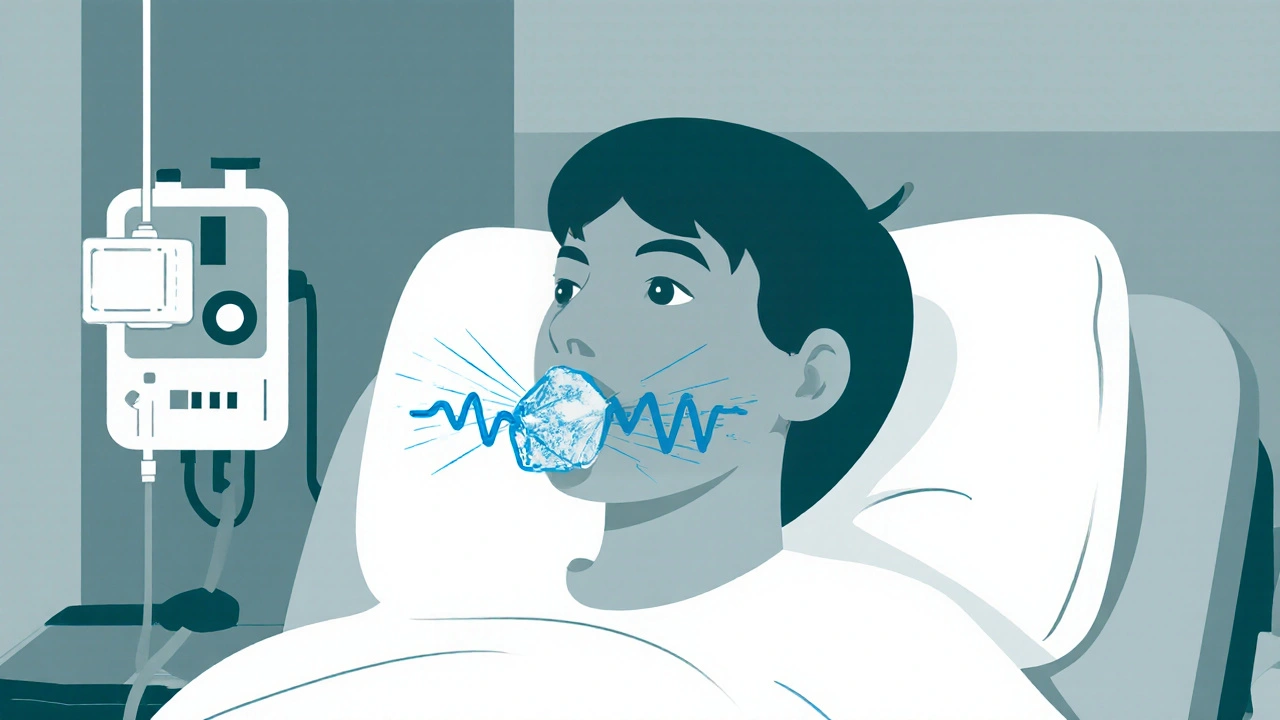
Mouth Sores from Medications: How to Prevent and Care for Them
- Nov, 23 2025
- 13
Mouth sores from chemotherapy and radiation are common and painful, but preventable. Learn evidence-based strategies like cryotherapy, benzydamine mouthwash, and dental prep to reduce risk and manage pain effectively.
Categories
- Health and Medicine (75)
- Health and Wellness (57)
- Medicine (37)
- Women's Health (11)
- Mental Health (10)
- Men's Health (7)
- Beauty and Wellness (4)
- Health Information (4)
Archives
- March 2026 (11)
- February 2026 (11)
- January 2026 (25)
- December 2025 (28)
- November 2025 (25)
- October 2025 (27)
- September 2025 (14)
- August 2025 (3)
- July 2025 (2)
- June 2025 (2)
- May 2025 (3)
- April 2025 (4)
- online pharmacy
- medication safety
- generic drugs
- dietary supplement
- health benefits
- dietary supplements
- prevention
- fertility
- online pharmacy Australia
- side effects
- QT prolongation
- medication side effects
- diabetes medications
- GLP-1 agonists
- nocebo effect
- brand vs generic
- treatment
- treatment options
- benefits
- connection