
Health Literacy: Understand Your Medications, Avoid Mistakes, and Take Control
When you hear health literacy, the ability to find, understand, and use health information to make smart decisions about your care. Also known as health knowledge, it’s not about having a medical degree—it’s about knowing how to read a pill bottle, ask your doctor the right questions, and spot when something doesn’t add up. Most people don’t realize how often small misunderstandings lead to big problems: taking metformin with alcohol and passing out from low blood sugar, missing the timing on bisphosphonates and losing 90% of their benefit, or mixing antacids with antibiotics and letting an infection run wild. These aren’t rare mistakes—they’re symptoms of poor health literacy.
Real health literacy connects the dots between what you’re told and what actually happens in your body. It’s knowing why drug interactions, when one medication changes how another works matter—like how warfarin and certain antibiotics can turn a simple prescription into a bleeding risk. It’s understanding that medication safety, the practice of using drugs correctly to avoid harm isn’t just about following instructions—it’s about knowing when to double-check. For example, why do seniors need special attention with diabetes drugs? Because hypoglycemia hits harder, and not all doctors explain that. Why do school nurses use the Five Rights? Because one wrong dose can hurt a child. These aren’t abstract concepts—they’re daily realities for millions.
Health literacy also means recognizing when something’s being hidden. The FDA’s black box warning on antidepressants? It’s not there to scare you—it’s there so you know to watch for sudden mood shifts. The Beers Criteria for elderly meds? It’s a list of drugs that should be avoided in older adults, but most patients never hear about it. And when you see a biosimilar labeled as "just as effective" as a brand-name drug, health literacy lets you ask: Proven how? By whom? For how long? You don’t need to be a scientist—you just need to know where to look and what to question.
This collection of posts isn’t a textbook. It’s a practical toolkit. You’ll find real-world breakdowns of how alcohol affects diabetes meds, why ECGs matter before taking azithromycin, how to store breast milk while on meds, and what to do when antibiotics give you a yeast infection. These aren’t theoretical scenarios—they’re things people face every day. And if you’ve ever stared at a prescription label wondering if you’re doing it right, you’re not alone. The goal here isn’t to overwhelm you with jargon. It’s to give you the tools to understand what’s in your body, why it matters, and how to speak up when something feels off. What you’re about to read could keep you—or someone you love—from ending up in the ER over a simple misunderstanding.

Consumer Language Guides: Simplifying Generic Drug Information for Patients
- Feb, 4 2026
- 9
Consumer language guides translate complex generic drug details into plain language, helping patients understand safety, efficacy, and cost savings. Learn how these tools address misconceptions and improve medication adherence.
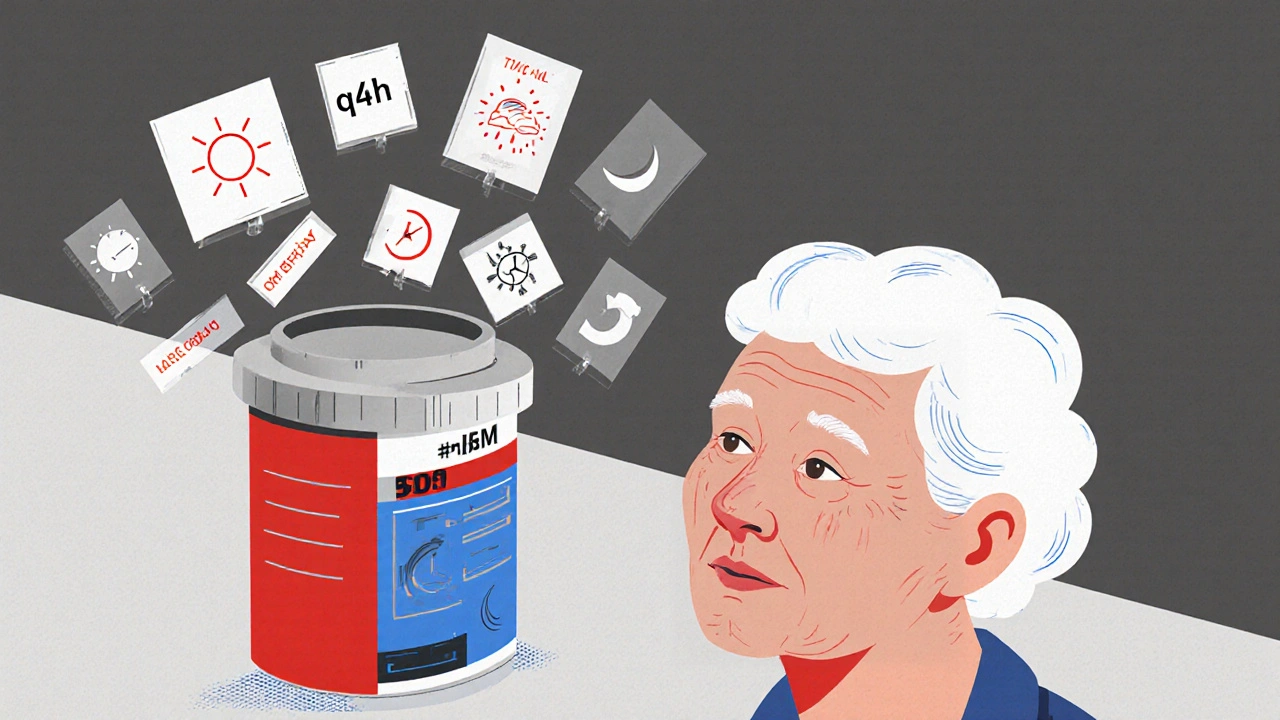
Health Literacy Strategies: How to Read Medication Labels and Avoid Dosing Mistakes
- Nov, 28 2025
- 9
Learn how to read medication labels correctly, avoid dangerous dosing mistakes, and use proven health literacy strategies like the Universal Medication Schedule and pictograms to stay safe with your medicines.
Categories
- Health and Medicine (76)
- Health and Wellness (57)
- Medicine (37)
- Women's Health (11)
- Mental Health (10)
- Men's Health (7)
- Beauty and Wellness (4)
- Health Information (4)
Archives
- April 2026 (1)
- March 2026 (11)
- February 2026 (11)
- January 2026 (25)
- December 2025 (28)
- November 2025 (25)
- October 2025 (27)
- September 2025 (14)
- August 2025 (3)
- July 2025 (2)
- June 2025 (2)
- May 2025 (3)
- online pharmacy
- medication safety
- generic drugs
- dietary supplement
- health benefits
- dietary supplements
- prevention
- fertility
- online pharmacy Australia
- side effects
- QT prolongation
- medication side effects
- diabetes medications
- GLP-1 agonists
- nocebo effect
- brand vs generic
- treatment
- treatment options
- benefits
- connection