
Diabetes Medications: What Works, What to Avoid, and How to Stay Safe
When you have diabetes medications, drugs prescribed to manage blood sugar levels in people with type 1 or type 2 diabetes. Also known as antihyperglycemic agents, these are not one-size-fits-all — what helps one person could put another in the hospital. The goal isn’t just to lower numbers. It’s to keep you alive, alert, and out of the ER — especially as you get older.
Hypoglycemia, dangerously low blood sugar that can cause confusion, seizures, or even coma is the #1 reason seniors with diabetes end up in the emergency room. Some older drugs, like glyburide, are known to cause it more often than others. Newer options like metformin or GLP-1 agonists don’t carry the same risk — and they’re often safer for kidneys and the heart. But here’s the catch: many doctors still prescribe the old stuff because it’s cheap. That’s why knowing what’s on your prescription matters.
Type 2 diabetes, a condition where the body stops responding properly to insulin doesn’t always need insulin. In fact, most people start with pills, lifestyle changes, or both. But if you’re over 65, have heart disease, or kidney trouble, your medication list needs to be tighter than ever. Some drugs make weight gain worse. Others raise your risk of falls. And some, like insulin, can cause low blood sugar if you skip a meal — something that’s easy to do when you’re not hungry or forgetful.
It’s not just about the drug name. It’s about timing, diet, and how your body changes as you age. A medication that worked at 50 might become risky at 70. That’s why deprescribing — safely cutting back on unnecessary pills — is now part of good care. And it’s why stories like using brimonidine tartrate to protect eyes from diabetic damage, or how antacids can mess with diabetes pills, matter. These aren’t side notes. They’re part of the full picture.
You’ll find real-world advice here: which diabetes medications are safest for seniors, how to spot when a drug isn’t working, what to do if you feel shaky or dizzy after taking your pill, and why some people need to avoid certain drugs altogether. No fluff. No marketing. Just what you need to know to talk to your doctor, understand your script, and stay out of trouble.

Managing Hypoglycemia from Diabetes Medications: A Practical Step-by-Step Plan
- Dec, 22 2025
- 8
Learn how to prevent and treat low blood sugar caused by diabetes medications. This practical guide covers risk factors, emergency treatment, glucose monitoring, and new technologies to keep you safe.
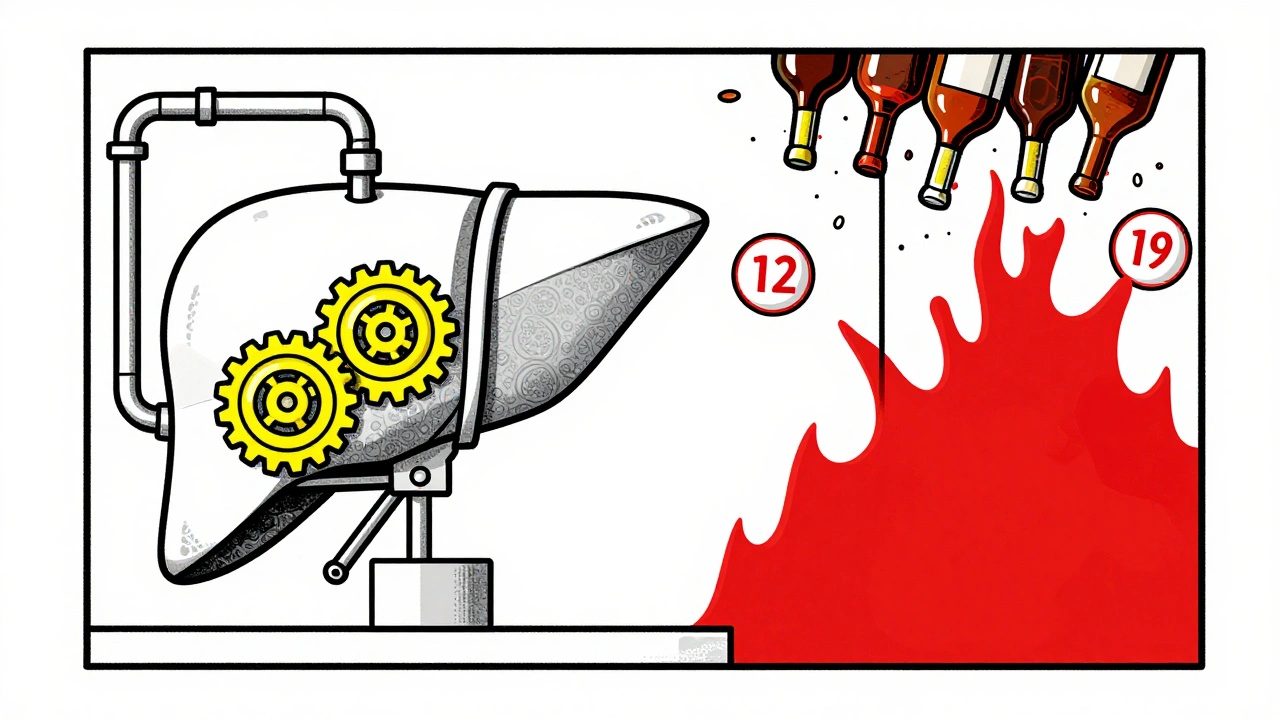
Alcohol and Diabetes Medications: How Drinking Affects Blood Sugar and Liver Health
- Dec, 1 2025
- 8
Drinking alcohol while on diabetes meds can cause dangerous drops in blood sugar and harm your liver. Learn how metformin, insulin, and sulfonylureas interact with alcohol-and what you can do to stay safe.
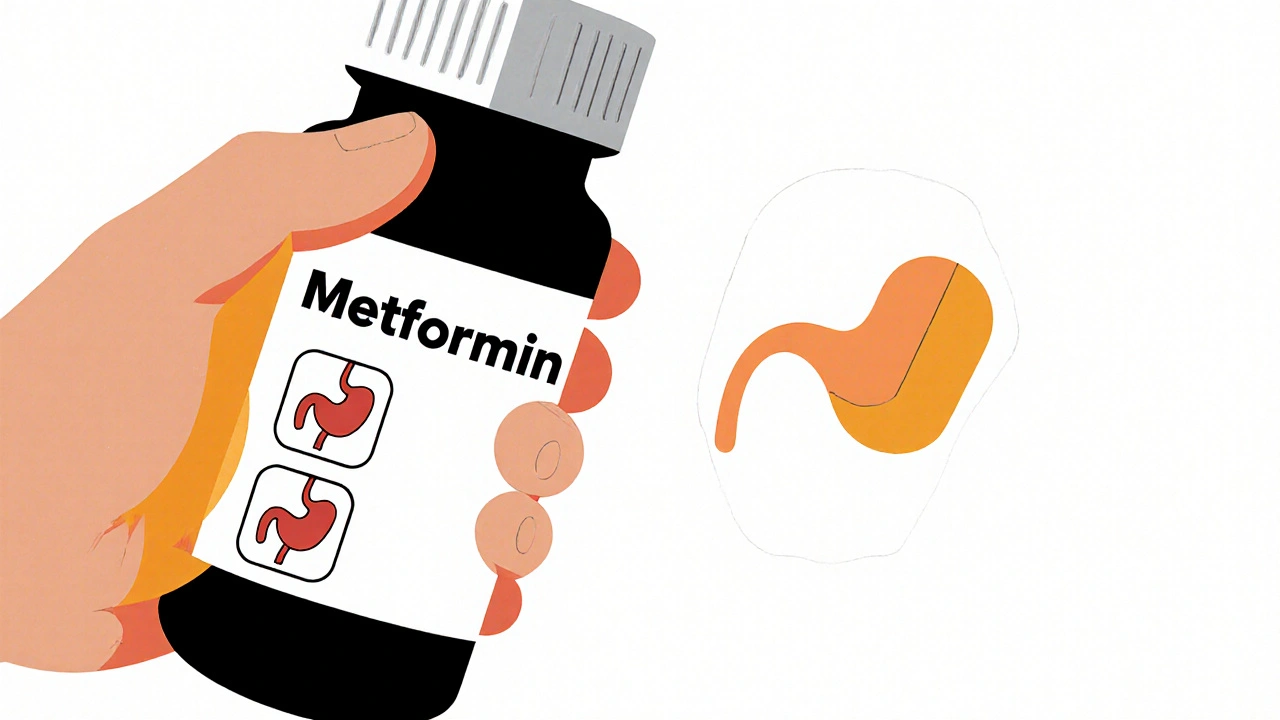
Choosing Diabetes Medications Based on Side Effect Profiles: A Practical Guide for Type 2 Diabetes
- Nov, 26 2025
- 12
Choosing the right diabetes medication means matching side effects to your lifestyle. Learn how metformin, SGLT-2 inhibitors, GLP-1 agonists, and others compare in safety, weight impact, and hypoglycemia risk.
Categories
- Health and Medicine (74)
- Health and Wellness (57)
- Medicine (37)
- Women's Health (11)
- Mental Health (10)
- Men's Health (7)
- Beauty and Wellness (4)
- Health Information (4)
Archives
- March 2026 (10)
- February 2026 (11)
- January 2026 (25)
- December 2025 (28)
- November 2025 (25)
- October 2025 (27)
- September 2025 (14)
- August 2025 (3)
- July 2025 (2)
- June 2025 (2)
- May 2025 (3)
- April 2025 (4)
- online pharmacy
- medication safety
- generic drugs
- dietary supplement
- health benefits
- dietary supplements
- prevention
- fertility
- online pharmacy Australia
- side effects
- QT prolongation
- medication side effects
- diabetes medications
- GLP-1 agonists
- nocebo effect
- brand vs generic
- treatment
- treatment options
- benefits
- connection