
Vaginal Yeast Infection: Causes, Treatments, and What Really Works
When you feel that familiar itching, burning, or thick white discharge, it’s often a vaginal yeast infection, a common fungal overgrowth usually caused by Candida albicans that disrupts the natural balance of vaginal flora. Also known as candidiasis, it’s not a sexually transmitted infection—but it can flare up after antibiotics, hormonal shifts, or even tight clothing. About 75% of women will get at least one in their lifetime, and nearly half will have two or more. It’s not rare. It’s not shameful. But it’s often misunderstood.
Most people reach for over-the-counter antifungal creams or suppositories, and yes, those often help. But the real issue isn’t just killing the yeast—it’s understanding why it came back. Antibiotics wipe out good bacteria that keep Candida in check. Birth control pills and pregnancy raise estrogen, which feeds the fungus. Diabetes, even if it’s mild, creates a sugary environment yeast loves. And wearing damp workout clothes or synthetic underwear? That’s like leaving a warm, moist towel out for mold to grow. These aren’t myths. They’re biology.
There’s also a lot of noise about probiotics, coconut oil, and sugar-free diets. Some of it helps. Some of it doesn’t. What actually works? Prescription fluconazole for stubborn cases. Clotrimazole or miconazole for quick relief. And yes, wearing cotton underwear. Simple stuff. But most people skip the basics and chase quick fixes that don’t fix the root cause. The posts below cover real cases: how one woman stopped recurring infections after switching her laundry detergent, why some antifungals fail because of improper use, and what your doctor won’t always tell you about testing for resistant strains. You’ll find advice on managing yeast infections during pregnancy, how to tell if it’s really yeast and not bacterial vaginosis, and why douching makes everything worse. No guesswork. No marketing hype. Just what works—backed by clinical practice and patient experience.
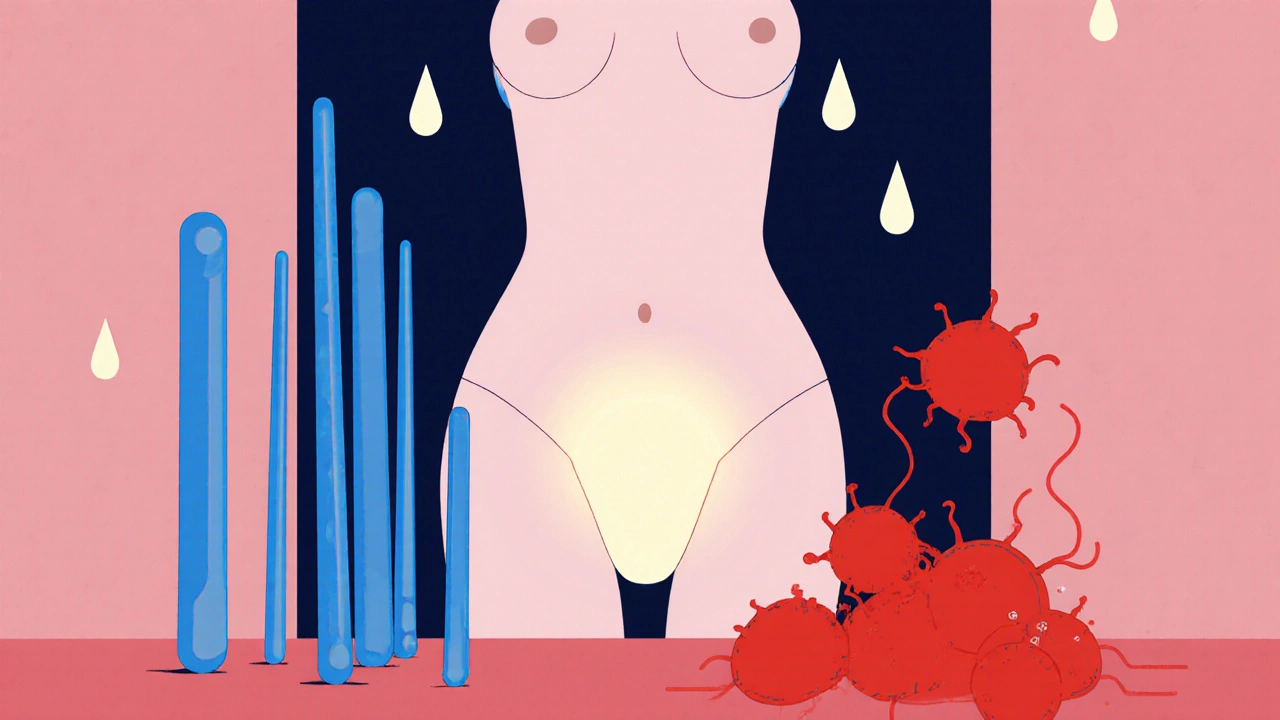
Antibiotic-Induced Yeast Infections: How to Prevent and Treat Them
- Nov, 17 2025
- 9
Antibiotic-induced yeast infections are common but preventable. Learn how to stop them before they start with probiotics, antifungals, and lifestyle changes-and what to do if you already have symptoms.
Categories
- Health and Medicine (78)
- Health and Wellness (57)
- Medicine (37)
- Women's Health (11)
- Mental Health (10)
- Men's Health (7)
- Beauty and Wellness (4)
- Health Information (4)
Archives
- April 2026 (3)
- March 2026 (11)
- February 2026 (11)
- January 2026 (25)
- December 2025 (28)
- November 2025 (25)
- October 2025 (27)
- September 2025 (14)
- August 2025 (3)
- July 2025 (2)
- June 2025 (2)
- May 2025 (3)
- online pharmacy
- medication safety
- generic drugs
- dietary supplement
- health benefits
- dietary supplements
- prevention
- fertility
- online pharmacy Australia
- side effects
- QT prolongation
- medication side effects
- diabetes medications
- GLP-1 agonists
- nocebo effect
- brand vs generic
- treatment
- treatment options
- benefits
- connection