
Stimulant Treatment: What It Is, Who It Helps, and What You Need to Know
When people talk about stimulant treatment, the use of medications that increase alertness, attention, and energy by affecting brain chemicals like dopamine and norepinephrine. Also known as central nervous system stimulants, it's most commonly prescribed for ADHD, a neurodevelopmental condition that affects focus, impulse control, and task completion and narcolepsy, a sleep disorder that causes extreme daytime drowsiness and sudden sleep attacks. These aren't party drugs or quick fixes—they're carefully regulated medicines backed by decades of clinical use.
Not everyone responds the same way. Some people with ADHD find their focus improves dramatically with a low dose of methylphenidate or amphetamine, while others need to try several options before finding the right fit. Side effects like trouble sleeping, reduced appetite, or jitteriness are common but often manageable with timing adjustments or dose changes. The real risk comes when stimulant treatment is used without a diagnosis, or when people skip doctor visits and self-adjust doses. That’s when misuse, dependence, or heart-related problems can creep in. That’s why regular check-ins with a prescriber aren’t optional—they’re part of the treatment.
Stimulant treatment doesn’t work in a vacuum. It’s most effective when paired with behavioral strategies, structured routines, or school/work accommodations. For kids, it’s not just about sitting still—it’s about being able to follow multi-step instructions, finish homework, or manage frustration. For adults, it’s often about showing up on time, staying focused in meetings, or not losing track of bills. The medications help remove the neurological barrier, but the rest? That’s where support systems, planning tools, and good habits come in.
You’ll find posts here that dig into how these drugs interact with other medications, why some people develop tolerance, what to do if side effects become unbearable, and how to spot signs of misuse before it becomes a problem. Whether you’re just starting stimulant treatment, have been on it for years, or are worried about a loved one’s use, the information below is grounded in real-world experience and clinical evidence—not theory.
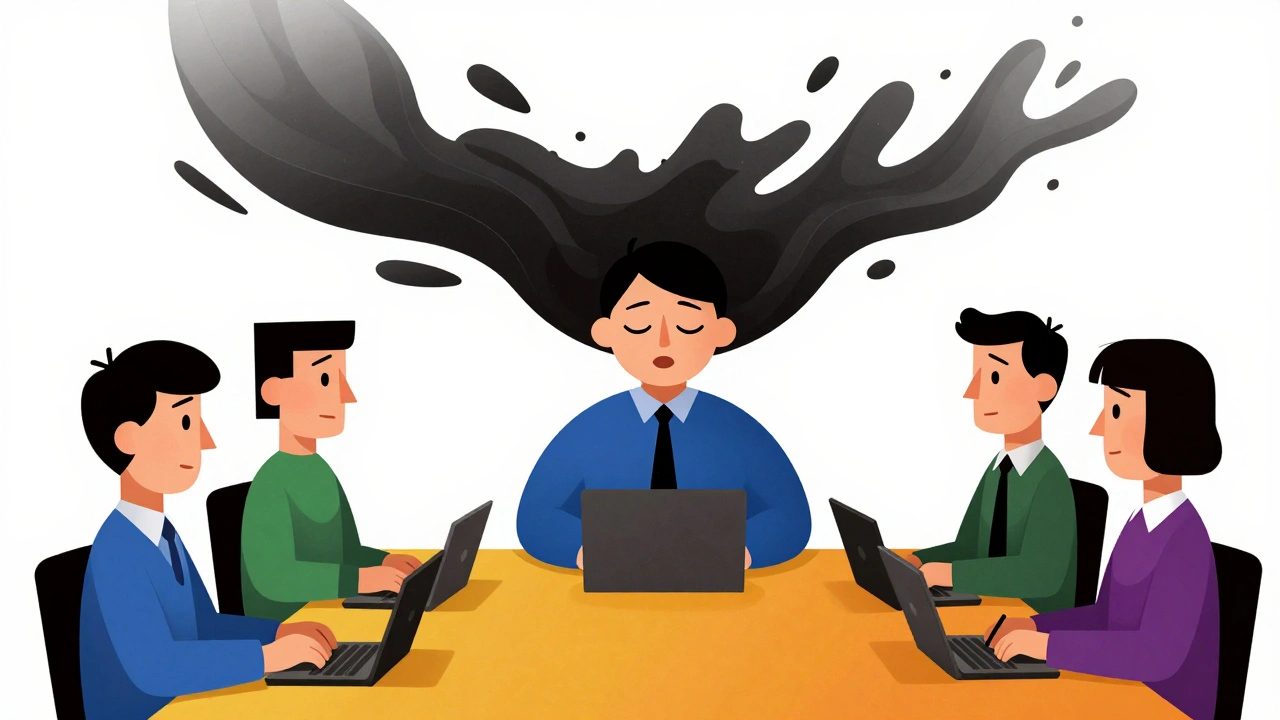
Narcolepsy: Understanding Daytime Sleepiness and Stimulant Treatment Options
- Dec, 7 2025
- 12
Narcolepsy causes uncontrollable daytime sleepiness and sudden muscle weakness. Stimulants like modafinil and armodafinil are first-line treatments to improve alertness, but newer options and lifestyle strategies also play key roles in managing this lifelong neurological disorder.
Categories
- Health and Medicine (75)
- Health and Wellness (57)
- Medicine (37)
- Women's Health (11)
- Mental Health (10)
- Men's Health (7)
- Beauty and Wellness (4)
- Health Information (4)
Archives
- March 2026 (11)
- February 2026 (11)
- January 2026 (25)
- December 2025 (28)
- November 2025 (25)
- October 2025 (27)
- September 2025 (14)
- August 2025 (3)
- July 2025 (2)
- June 2025 (2)
- May 2025 (3)
- April 2025 (4)
- online pharmacy
- medication safety
- generic drugs
- dietary supplement
- health benefits
- dietary supplements
- prevention
- fertility
- online pharmacy Australia
- side effects
- QT prolongation
- medication side effects
- diabetes medications
- GLP-1 agonists
- nocebo effect
- brand vs generic
- treatment
- treatment options
- benefits
- connection