
Narcolepsy: Understanding Daytime Sleepiness and Stimulant Treatment Options
 Dec, 7 2025
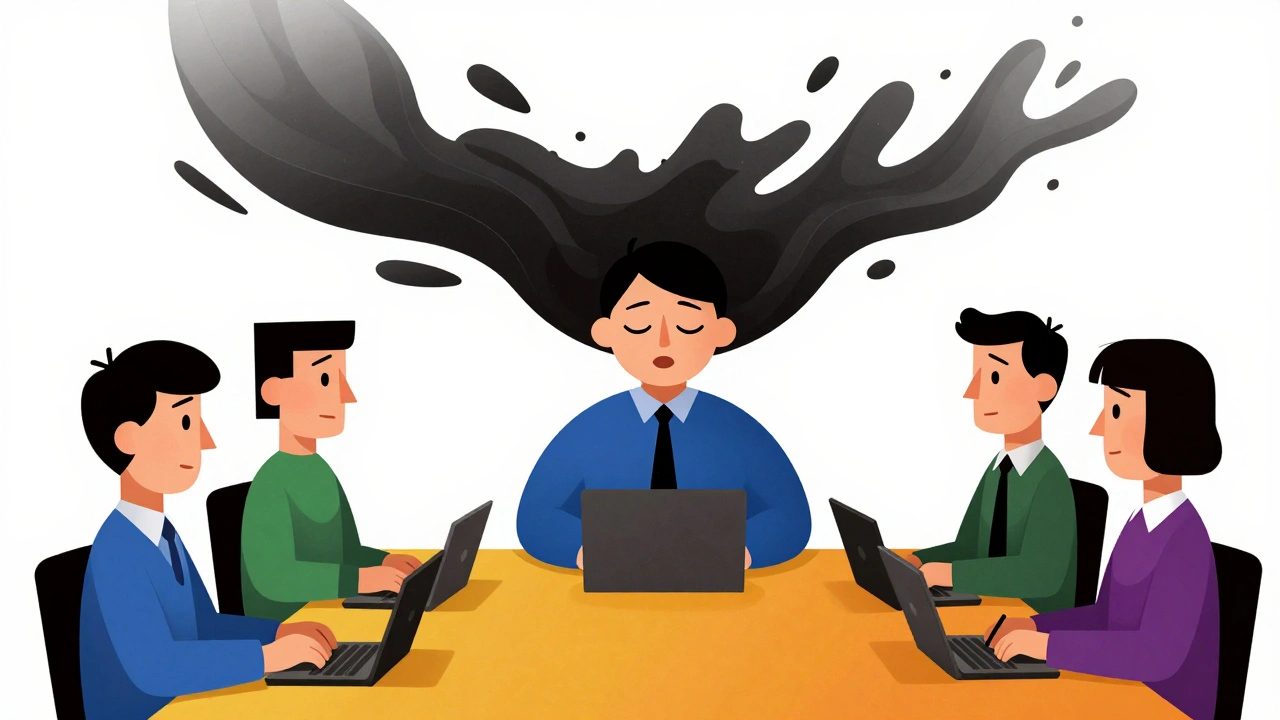
For someone with narcolepsy, falling asleep during a meeting, while driving, or even mid-conversation isn’t just tiredness-it’s a neurological event they can’t control. Excessive daytime sleepiness (EDS) hits like a wave, pulling them into sleep no matter how hard they try to stay awake. This isn’t the kind of sleepiness that goes away with coffee or a nap. It’s persistent, overwhelming, and often starts in the teens or early twenties. Despite sleeping enough at night, the brain doesn’t know how to stay awake during the day. That’s the core of narcolepsy.
What Narcolepsy Really Feels Like
Narcolepsy isn’t just about being sleepy. It’s a five-symptom disorder that rewires how the brain handles sleep and wakefulness. The most universal symptom is EDS-100% of people with narcolepsy experience it. These aren’t just yawns or sluggish moments. They’re sudden, uncontrollable sleep attacks, often lasting 15 to 30 minutes, happening 4 to 6 times a day. After each one, the person wakes up feeling refreshed-for a few minutes-before the urge returns.
One of the most startling symptoms is cataplexy, which only happens in Type 1 narcolepsy. It’s when strong emotions-laughter, anger, surprise-trigger a sudden loss of muscle control. You might drop your phone, your head slumps, or your legs buckle. It lasts seconds to a couple of minutes. You’re fully aware the whole time. About 70% of narcolepsy cases include cataplexy, making it a key diagnostic clue.
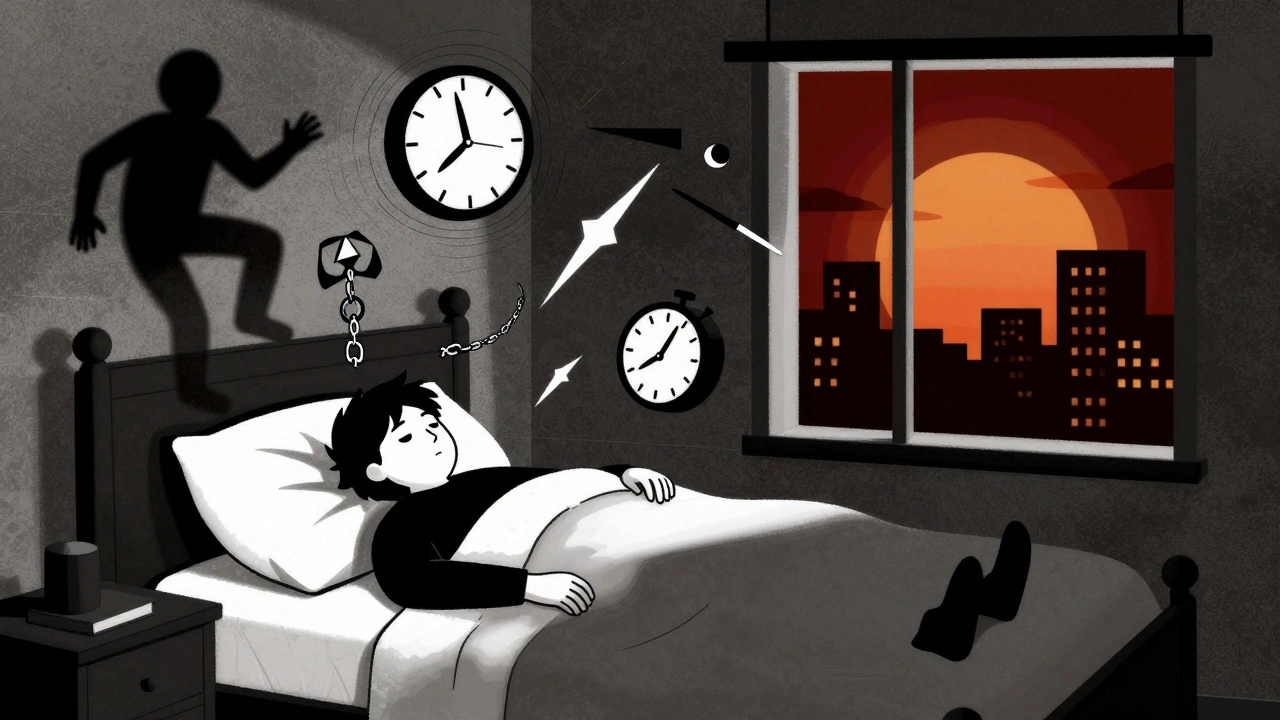
Then there’s disrupted nighttime sleep. Even though you’re exhausted during the day, you don’t sleep well at night. You wake up 4 to 6 times, spending 8 hours in bed but getting less than 6.5 hours of real sleep. Sleep paralysis hits 60% of people-waking up unable to move, sometimes with hallucinations. These vivid, scary dreams at sleep onset or wake-up (hypnagogic or hypnopompic hallucinations) affect 75% of patients. One person described it as seeing a shadow figure standing at the foot of the bed, completely real but not there.
How Doctors Diagnose It
There’s no single blood test for narcolepsy. Diagnosis requires two steps. First, a nighttime sleep study (polysomnography) rules out other sleep disorders like sleep apnea. Then comes the Multiple Sleep Latency Test (MSLT). You’re given five chances to nap during the day, spaced two hours apart. If you fall asleep in under 8 minutes on average, and enter REM sleep in at least two of those naps, that’s a strong indicator of narcolepsy.
For Type 1 narcolepsy, doctors can confirm it with a spinal tap to measure hypocretin-1 levels in cerebrospinal fluid. If levels are 110 pg/mL or lower, it’s Type 1. This test isn’t routine-it’s invasive and expensive-but it’s definitive. About 70% of narcolepsy patients have this low level, pointing to an autoimmune attack on the brain cells that produce hypocretin, a key wakefulness chemical.
Many people go years undiagnosed. The average delay is 10 years. Symptoms are often mistaken for depression, laziness, or poor sleep habits. A 2022 Narcolepsy Network study found that 25% of cases start after age 40, so doctors don’t always suspect it in older adults.
Stimulants: The First-Line Treatment for Daytime Sleepiness
There’s no cure for narcolepsy yet. But stimulants can make daily life manageable. They don’t fix the broken hypocretin system-they help the brain stay awake anyway. Three main types are used: modafinil and armodafinil, traditional stimulants like methylphenidate and amphetamines, and newer non-stimulant options.
Modafinil (Provigil) and its longer-lasting version, armodafinil (Nuvigil), are the most commonly prescribed. They work by boosting dopamine and activating the orexin system. Modafinil is taken as a 200 mg tablet in the morning. If that doesn’t help after two weeks, the dose can go up to 400 mg. Studies show about 70% of people see a 5-point drop on the Epworth Sleepiness Scale, which measures daytime sleepiness. Many users say they feel “clean energy”-alert without the jitteriness of coffee or amphetamines.
But modafinil isn’t perfect. About 40% of users report diminishing effects after 18 months. Headaches, nausea, and anxiety are common side effects. Still, fewer than 5% stop taking it because of side effects.
Traditional stimulants like methylphenidate (Ritalin) and mixed amphetamine salts (Adderall) work faster and stronger. They’re often used when modafinil doesn’t cut it, especially for people with ESS scores above 16 (severe sleepiness). About 80% respond well. But they come with a price: 45% of users quit within a year due to side effects-appetite loss, high blood pressure, heart palpitations, and emotional blunting. Some report feeling “numb” or “robotic.” These drugs are also Schedule II controlled substances, meaning prescriptions are tightly tracked to prevent abuse.
One patient, a 34-year-old teacher, went from an ESS score of 18 to 6 on armodafinil 250 mg. She went back to full-time teaching. But another person on Adderall described it as “a rollercoaster-high during the day, crash by 5 p.m., then exhausted by 8.” Rebound fatigue is a real problem with these drugs.

Other Medications and What’s Coming
Sodium oxybate (Xyrem) isn’t a stimulant, but it’s the gold standard for cataplexy. Taken twice at night, it reduces cataplexy by 85% and improves daytime sleepiness too. But it’s hard to get. It’s only available through a special program because of abuse risks. The sodium content also causes swelling and thirst in many users.
Newer drugs like pitolisant (Wakix) and solriamfetol (Sunosi) are gaining ground. Pitolisant works on histamine receptors to promote wakefulness. It’s as effective as modafinil but has better heart safety. The catch? It costs $850 a month-more than double generic modafinil. Solriamfetol offers strong ESS reductions (up to 9.8 points) with low abuse risk, but 7% of users develop high blood pressure.
Looking ahead, researchers are chasing disease-modifying treatments. A drug called TAK-994, which activates orexin receptors, showed huge promise in trials-7.9-point ESS improvement. But development was paused in 2023 after liver issues appeared in 3% of participants. The next big hope is therapies that stop the autoimmune attack on hypocretin cells, or even replace them. These are still years away, but they represent the first real shot at fixing narcolepsy instead of just masking it.
Real Challenges in Treatment
Getting the right medication is only half the battle. Insurance is a major hurdle. In 2023, 78% of patients said their insurer required prior authorization for narcolepsy drugs. The average wait time for approval? Over two weeks. That means people go without treatment while their symptoms worsen.
Doctors sometimes don’t increase doses fast enough. A 2022 study found 42% of patients stayed on ineffective doses for more than six months. That’s therapeutic inertia-sticking with what’s familiar instead of adjusting to what works.
Workplace accommodations are rare. Only 68% of Fortune 500 companies have formal policies for narcolepsy under the Americans with Disabilities Act. Many people hide their condition for fear of stigma. One man, a warehouse supervisor, told his employer he had “sleep apnea.” He didn’t want to risk being seen as unreliable.
What Works Best for You?
There’s no one-size-fits-all. If your sleepiness is mild to moderate, modafinil or armodafinil is usually the best starting point. It’s safer, well-tolerated, and effective for most. If you have cataplexy, sodium oxybate should be part of your plan.
If modafinil doesn’t help after 4-6 weeks, traditional stimulants may be next. But only if you’re healthy enough-no heart problems, high blood pressure, or history of substance abuse. Your doctor should check your blood pressure and heart rhythm before starting.
For people who can’t tolerate stimulants or need something with less risk, pitolisant or solriamfetol are good alternatives, even if they cost more. And if you’re struggling with rebound fatigue, splitting your dose (e.g., 200 mg in the morning, 100 mg at lunch) can help.
Monitoring matters. Track your sleepiness with the Epworth Scale every month. Check your blood pressure quarterly. Talk to your doctor if your meds stop working. Tolerance can build. It doesn’t mean you’re addicted-it means your brain adapts.
Living With Narcolepsy
Medication helps, but it’s not everything. Scheduled short naps-15 to 20 minutes-can reset your alertness. Avoid heavy meals and alcohol, which make sleepiness worse. Exercise in the morning boosts daytime energy. Tell trusted coworkers or teachers what’s going on. You don’t have to explain everything, but a simple “I have a neurological sleep disorder” can prevent misunderstandings.
Support groups like MyNarcolepsyTeam and Reddit’s r/Narcolepsy are full of people who get it. You’ll find tips on managing work, school, and relationships. You’re not alone. Over 200,000 people in the U.S. have been diagnosed-and an estimated 100,000 more haven’t been yet. If you’ve been told you’re just tired, or lazy, or unmotivated, that’s not true. This is a real, measurable brain disorder. And help exists.
Can narcolepsy be cured?
No, there is no cure yet. Narcolepsy is caused by the loss of hypocretin-producing brain cells, and current treatments only manage symptoms. Research is ongoing into therapies that could restore hypocretin function or stop the autoimmune attack, but these are still experimental. For now, the goal is effective symptom control with medication and lifestyle changes.
Are stimulants addictive for narcolepsy patients?
Traditional stimulants like Adderall and Ritalin carry a risk of dependence, especially if misused. But in people with narcolepsy taking them as prescribed, addiction is rare. The body uses them to stay awake, not for euphoria. Still, they’re controlled substances because of their potential for abuse. Modafinil and armodafinil have very low abuse potential and are not classified as controlled drugs in most places.
Why do some people stop responding to modafinil?
Tolerance can develop over time. The brain may adapt to the drug’s effects, reducing its wakefulness-promoting impact. This isn’t addiction-it’s pharmacological adaptation. Many patients respond to dose increases (up to 400 mg), switching to armodafinil, or adding another medication like pitolisant. If modafinil stops working, talk to your doctor before making changes.
Is it safe to take stimulants long-term?
Modafinil and armodafinil are generally safe for long-term use, with no major organ damage reported in studies lasting over 10 years. Traditional stimulants require more caution-regular blood pressure and heart monitoring are essential. The biggest long-term risk isn’t the drug itself, but untreated symptoms: accidents, job loss, depression, and social isolation. For most, the benefits outweigh the risks when managed properly.
What should I do if my insurance denies my narcolepsy medication?
First, ask your doctor to write a letter of medical necessity. Include your Epworth Sleepiness Scale scores, diagnosis confirmation, and how the drug improves your function. File an appeal with your insurer. Many denials are overturned on appeal. Organizations like the Narcolepsy Network offer free advocacy support. If all else fails, patient assistance programs from drug manufacturers often provide free or discounted medication for those who qualify.
What’s Next?
If you’ve been told you’re just tired, or that you need to sleep better, get a second opinion. Ask your doctor about a sleep study. Bring a sleep diary-note when you fall asleep, how long you nap, and any emotional triggers for sudden weakness. If you’ve been diagnosed, don’t settle for a dose that doesn’t work. Push for adjustments. And if you’re struggling to get care, reach out to patient advocacy groups. Narcolepsy is rare, but it’s real. And with the right treatment, life doesn’t have to be defined by sleepiness.
Steve Sullivan
December 8, 2025 AT 14:51Anna Roh
December 10, 2025 AT 14:49Richard Eite
December 11, 2025 AT 08:55Andrea Petrov
December 12, 2025 AT 22:17Philippa Barraclough
December 14, 2025 AT 14:10Simran Chettiar
December 16, 2025 AT 09:11Katherine Chan
December 16, 2025 AT 17:50Tim Tinh
December 17, 2025 AT 11:17Olivia Portier
December 19, 2025 AT 10:11Tiffany Sowby
December 20, 2025 AT 13:48Delaine Kiara
December 22, 2025 AT 00:24Ruth Witte
December 22, 2025 AT 06:13