
Signs of Breathing Trouble: What to Watch For and When to Act
When your body can’t get enough air, it sends clear signals—signs of breathing trouble, physical cues that your lungs or airways aren’t working right aren’t always loud. Sometimes it’s not gasping or wheezing. It’s quiet. A person sitting still, unable to finish a sentence, staring at the ceiling, fingers tapping nervously. That’s often worse than coughing. This isn’t just being out of shape. It’s your body screaming for help. shortness of breath, the feeling of not getting enough air, even at rest is the most common warning, but it’s just one piece. Other signs include rapid, shallow breathing, flaring nostrils, using neck or stomach muscles to breathe, or lips turning blue. These aren’t vague symptoms—they’re red flags tied to real, urgent conditions.
Many people ignore these signs because they think, "It’ll pass." But pulmonary embolism, a life-threatening blood clot blocking lung arteries can strike without warning, and respiratory distress, a state where the lungs can’t supply enough oxygen to the body can escalate in minutes. You don’t need to be sick to be in danger. A healthy person climbing stairs might suddenly feel like they’re drowning. Someone with asthma might not wheeze at all—instead, their breaths get smaller and smaller until they can’t speak. Even older adults with chronic lung disease might not complain; they just stop moving, stop talking, stop eating. These aren’t just old age. They’re signs of oxygen levels dropping dangerously low. And here’s the thing: the body doesn’t lie. If you’re struggling to breathe, it’s not anxiety. It’s physiology. You can’t talk your way out of it. You can’t power through it. You need to act.
What You’ll Find in These Articles
Below, you’ll find real, practical guides that break down what these signs mean, how doctors spot them, and what happens next. From how a shortness of breath episode leads to a CTPA scan, to why some people with heart or lung issues stop noticing their own symptoms, these posts give you the facts—not the fluff. You’ll learn how to tell the difference between normal fatigue and something dangerous, how to recognize breathing trouble in someone else, and what to say to a doctor when time matters. These aren’t theoretical. They’re based on real cases, real tests, and real decisions that save lives.
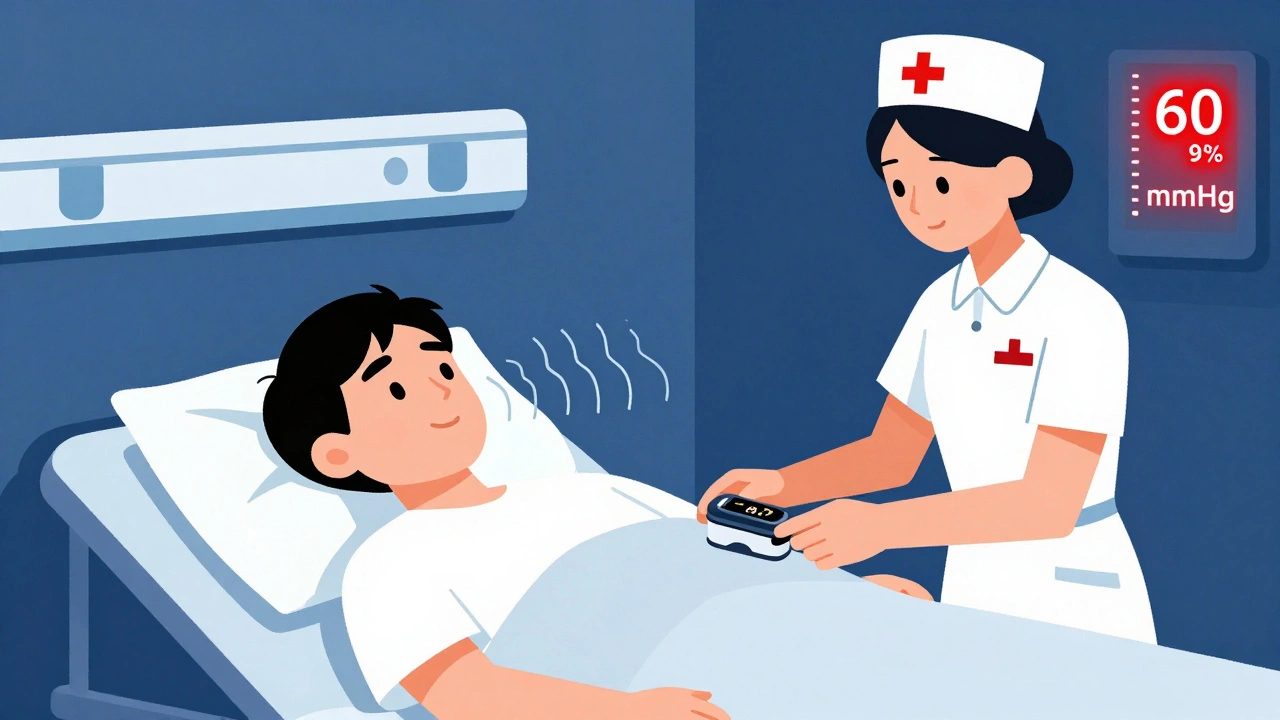
Respiratory Depression from Opioids and Other Medications: Critical Signs You Can't Ignore
- Dec, 9 2025
- 8
Respiratory depression from opioids and other sedatives is a silent, preventable killer. Learn the critical signs - beyond slow breathing - that can save a life. Know who’s at risk, what works, and how to act before it’s too late.
Categories
- Health and Medicine (76)
- Health and Wellness (57)
- Medicine (37)
- Women's Health (11)
- Mental Health (10)
- Men's Health (7)
- Beauty and Wellness (4)
- Health Information (4)
Archives
- April 2026 (1)
- March 2026 (11)
- February 2026 (11)
- January 2026 (25)
- December 2025 (28)
- November 2025 (25)
- October 2025 (27)
- September 2025 (14)
- August 2025 (3)
- July 2025 (2)
- June 2025 (2)
- May 2025 (3)
- online pharmacy
- medication safety
- generic drugs
- dietary supplement
- health benefits
- dietary supplements
- prevention
- fertility
- online pharmacy Australia
- side effects
- QT prolongation
- medication side effects
- diabetes medications
- GLP-1 agonists
- nocebo effect
- brand vs generic
- treatment
- treatment options
- benefits
- connection