
Preventive Care: Stop Problems Before They Start with Smart Health Moves
When we talk about preventive care, actions taken to avoid illness before it begins, rather than treating it after it develops. Also known as proactive health, it’s not just about annual physicals—it’s about making smart, daily choices that keep you out of the hospital. Think of it like changing your car’s oil before the engine seizes. You don’t wait for the warning light. You act before the damage is done.
That’s why geriatric medication safety, the practice of reducing harmful drug interactions and unnecessary prescriptions in older adults is a core part of preventive care. Seniors often take five or more meds at once, and one wrong combo can send them to the ER. Tools like the Beers Criteria, a list of potentially inappropriate medications for older adults help doctors and families spot risks before they turn into emergencies. It’s not about cutting meds—it’s about cutting danger.
Same goes for diabetes medications, drugs chosen not just to lower blood sugar, but to avoid side effects like low blood sugar, weight gain, or heart stress. Choosing metformin over a drug that causes hypoglycemia isn’t just a prescription—it’s a preventive move. And when you’re managing chronic conditions, the right drug isn’t just effective—it’s protective.
Preventive care also means catching problems early. That’s where patch testing, a simple skin test to find hidden allergies to nickel, fragrances, or chemicals in everyday products comes in. A stubborn rash? It might not be dry skin—it could be a reaction you didn’t know you had. Fix that, and you stop a cycle of irritation, infection, and wasted time.
And let’s not forget vaccines. Giving fever reducers too soon after your child’s shot might block the immune response. Knowing the right time to medicate—based on CDC guidelines—is preventive care too. It’s not about avoiding discomfort. It’s about building real, lasting protection.
Biosimilars are another quiet hero in preventive care. They’re not cheaper copies—they’re scientifically proven alternatives to expensive biologics that treat cancer, rheumatoid arthritis, and more. Using them doesn’t mean lowering standards. It means making life-saving treatments accessible, so more people stay on their meds, avoid flare-ups, and live better.
Even small things matter. Timing your calcium pills so they don’t block your osteoporosis drug. Avoiding antacids right before your antibiotic. Knowing which meds make your skin burn in the sun. These aren’t side notes—they’re critical steps that prevent hospital visits, ER trips, and long-term damage.
Preventive care isn’t magic. It’s knowledge applied. It’s knowing that mupirocin resistance isn’t just a lab term—it’s what happens when nasal decolonization is done wrong, letting MRSA come back. It’s understanding that epinephrine auto-injectors only save lives if you’ve practiced with the trainer, not just read the instructions.
Below, you’ll find real, practical guides that show you exactly how to do this right. No fluff. No theory. Just what works: how to avoid dangerous drug combos, how to protect seniors, how to stop allergies before they flare, and how to use meds so they help—not hurt. This is the kind of info that keeps you and your family healthy, not just treated.
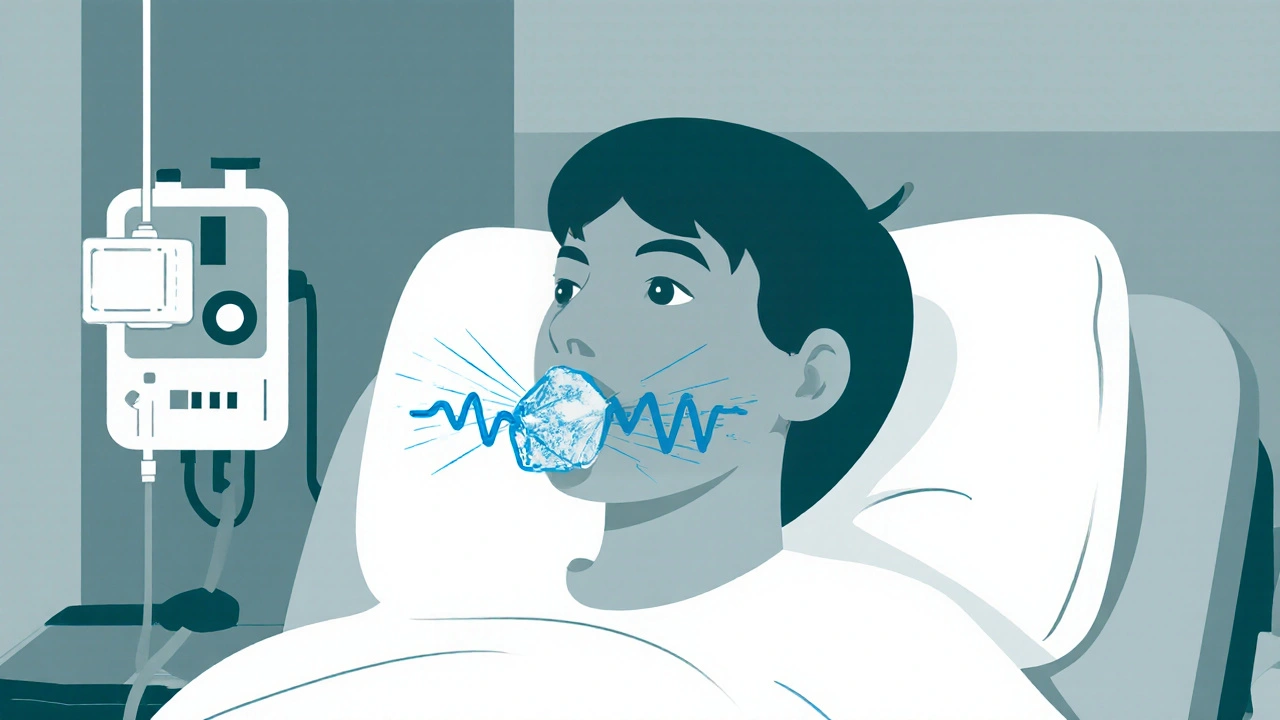
Mouth Sores from Medications: How to Prevent and Care for Them
- Nov, 23 2025
- 13
Mouth sores from chemotherapy and radiation are common and painful, but preventable. Learn evidence-based strategies like cryotherapy, benzydamine mouthwash, and dental prep to reduce risk and manage pain effectively.
Categories
- Health and Medicine (75)
- Health and Wellness (57)
- Medicine (37)
- Women's Health (11)
- Mental Health (10)
- Men's Health (7)
- Beauty and Wellness (4)
- Health Information (4)
Archives
- March 2026 (11)
- February 2026 (11)
- January 2026 (25)
- December 2025 (28)
- November 2025 (25)
- October 2025 (27)
- September 2025 (14)
- August 2025 (3)
- July 2025 (2)
- June 2025 (2)
- May 2025 (3)
- April 2025 (4)
- online pharmacy
- medication safety
- generic drugs
- dietary supplement
- health benefits
- dietary supplements
- prevention
- fertility
- online pharmacy Australia
- side effects
- QT prolongation
- medication side effects
- diabetes medications
- GLP-1 agonists
- nocebo effect
- brand vs generic
- treatment
- treatment options
- benefits
- connection