
How to Prevent Yeast Infection After Antibiotics
When you take antibiotics, medications that kill harmful bacteria but also disrupt the good ones in your body, you’re not just treating an infection—you’re changing the whole ecosystem inside you. That’s why so many people end up with a yeast infection, a common overgrowth of Candida fungus, often in the vagina or mouth right after finishing a course. It’s not bad luck. It’s biology. Antibiotics don’t pick and choose; they wipe out everything, including the good bacteria that normally keep yeast in check. Without those defenders, yeast multiplies fast—and itching, burning, and discharge follow. This isn’t rare. Up to 30% of women who take antibiotics get one, and men can get them too, especially in warm, moist areas.
So what can you actually do? First, don’t panic. You don’t need to stop your antibiotics. Instead, focus on rebuilding your defenses. vaginal flora, the community of microbes that live in the vagina and keep it balanced needs help after antibiotics. Simple things like wearing cotton underwear, skipping scented soaps, and avoiding tight pants make a real difference. But the most powerful tool? probiotics, live beneficial bacteria that can restore balance when taken orally or applied locally. Studies show certain strains like Lactobacillus rhamnosus and Lactobacillus reuteri can cut your risk of yeast infection by nearly half when taken during and right after antibiotics. You don’t need fancy supplements—plain, refrigerated yogurt with live cultures works too. Just make sure it’s unsweetened. Sugar feeds yeast, and even "healthy" yogurts can have enough to undo your progress.
It’s not just about what you take—it’s about what you avoid. Alcohol, refined carbs, and sugary snacks might seem harmless, but they fuel the very fungus you’re trying to stop. And don’t assume that if you feel fine, you’re in the clear. Yeast can grow silently for days before symptoms show. Start your prevention plan the same day you begin antibiotics, not after the infection hits. Keep it simple: probiotics daily, loose clothes, no douching, and skip the sugar. These aren’t magic tricks. They’re basic, science-backed habits that thousands use successfully every year. Below, you’ll find real-life guides from people who’ve been there—how they managed their symptoms, what worked, and what didn’t. No fluff. Just what helps.
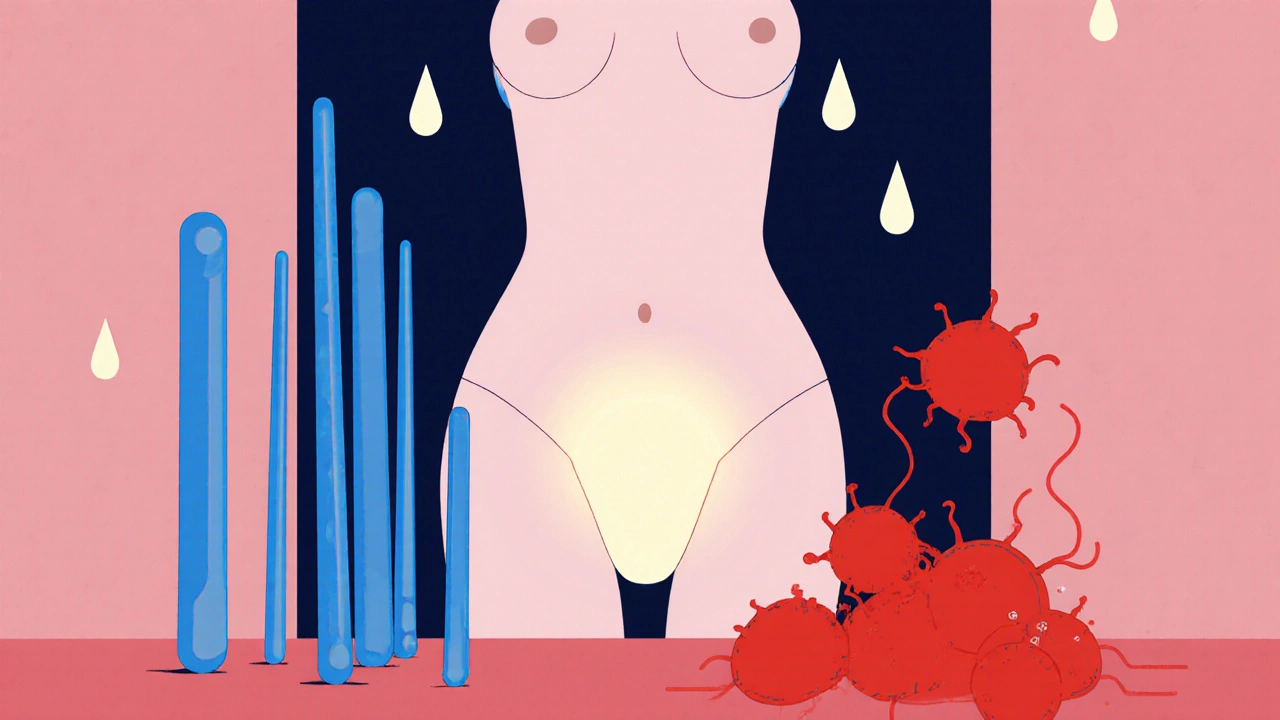
Antibiotic-Induced Yeast Infections: How to Prevent and Treat Them
- Nov, 17 2025
- 9
Antibiotic-induced yeast infections are common but preventable. Learn how to stop them before they start with probiotics, antifungals, and lifestyle changes-and what to do if you already have symptoms.
Categories
- Health and Medicine (78)
- Health and Wellness (57)
- Medicine (37)
- Women's Health (11)
- Mental Health (10)
- Men's Health (7)
- Beauty and Wellness (4)
- Health Information (4)
Archives
- April 2026 (3)
- March 2026 (11)
- February 2026 (11)
- January 2026 (25)
- December 2025 (28)
- November 2025 (25)
- October 2025 (27)
- September 2025 (14)
- August 2025 (3)
- July 2025 (2)
- June 2025 (2)
- May 2025 (3)
- online pharmacy
- medication safety
- generic drugs
- dietary supplement
- health benefits
- dietary supplements
- prevention
- fertility
- online pharmacy Australia
- side effects
- QT prolongation
- medication side effects
- diabetes medications
- GLP-1 agonists
- nocebo effect
- brand vs generic
- treatment
- treatment options
- benefits
- connection