
Pill Instructions: How to Take Medications Safely and Effectively
When you pick up a prescription, the most important thing isn’t the brand name or the color of the pill—it’s pill instructions, the specific directions for when, how, and why to take a medication to make it work safely and effectively. Also known as medication guidelines, these instructions are your personal roadmap to avoiding dangerous mistakes like missed doses, harmful interactions, or wasted treatment. Many people assume that if the pill works once, it’ll work every time. But that’s not true. A simple change—like taking a pill with food instead of on an empty stomach—can cut its effectiveness by half. Or worse, mixing it with coffee, antacids, or alcohol could trigger side effects you didn’t know existed.
Drug interactions, when one medication changes how another works in your body are everywhere. Take warfarin and antibiotics: together, they can make you bleed internally. Or metformin and alcohol: that beer after dinner might send your blood sugar crashing. Even something as simple as calcium supplements can block your osteoporosis meds if you take them at the same time. These aren’t rare edge cases—they’re common errors that show up in ERs every week. And side effects, unwanted reactions caused by medications aren’t always obvious. Mouth sores from chemo, yeast infections after antibiotics, or sudden heart rhythm changes from certain antibiotics? All of these are preventable—if you know the rules.
Timing matters more than you think. Taking your thyroid pill with breakfast instead of waiting two hours? That could mean your dose isn’t working. Giving fever reducers right after your child’s vaccine? You might be blocking the immune response. Or storing breast milk while on a short-term med without labeling it? That risks your baby getting the wrong dose. These aren’t just "nice to know" tips—they’re life-or-death details buried in fine print. And for seniors on five or more pills, getting this wrong isn’t just inconvenient—it’s what lands people in the hospital.
There’s no one-size-fits-all guide. A pill that’s safe for a 25-year-old might be dangerous for a 70-year-old. A dose that works for one person might need adjusting for another. That’s why the best pill instructions aren’t just printed on the bottle—they’re tailored to your body, your lifestyle, and your other meds. Below, you’ll find real-world advice from people who’ve been there: how to avoid interactions, how to time your doses right, how to spot hidden dangers, and how to talk to your pharmacist without sounding confused. No fluff. No jargon. Just what actually works.
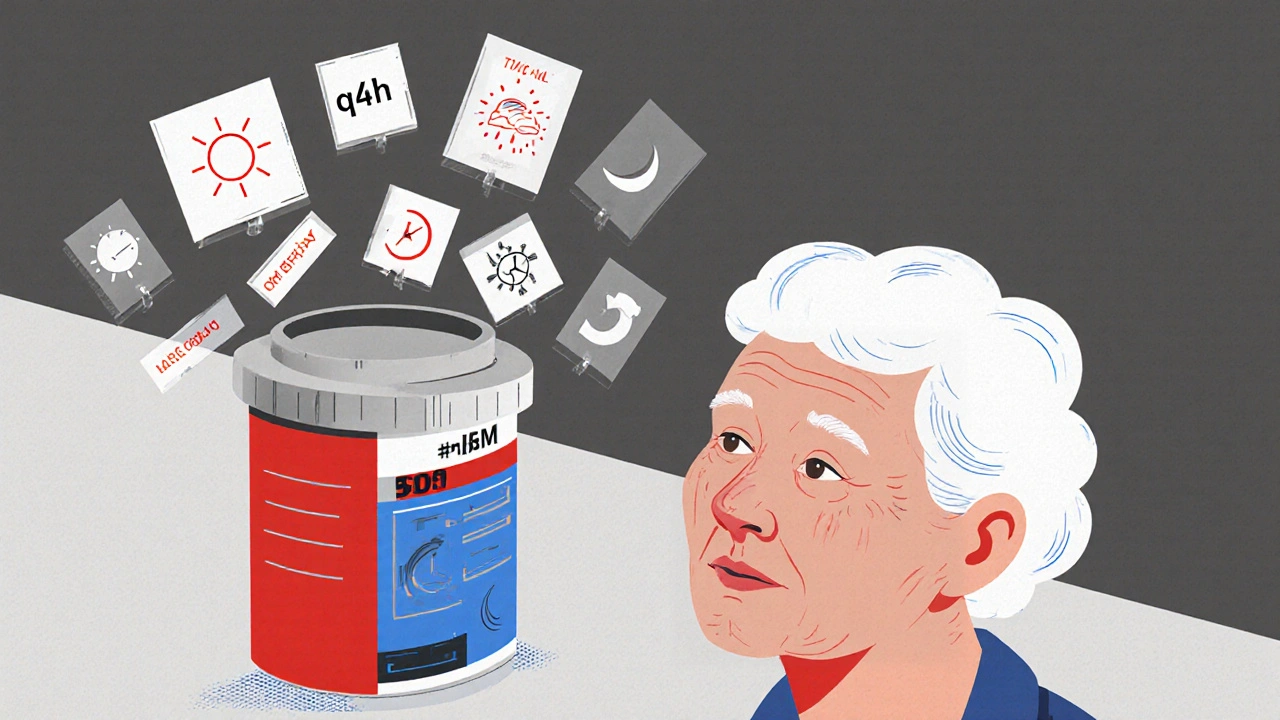
Health Literacy Strategies: How to Read Medication Labels and Avoid Dosing Mistakes
- Nov, 28 2025
- 9
Learn how to read medication labels correctly, avoid dangerous dosing mistakes, and use proven health literacy strategies like the Universal Medication Schedule and pictograms to stay safe with your medicines.
Categories
- Health and Medicine (76)
- Health and Wellness (57)
- Medicine (37)
- Women's Health (11)
- Mental Health (10)
- Men's Health (7)
- Beauty and Wellness (4)
- Health Information (4)
Archives
- April 2026 (1)
- March 2026 (11)
- February 2026 (11)
- January 2026 (25)
- December 2025 (28)
- November 2025 (25)
- October 2025 (27)
- September 2025 (14)
- August 2025 (3)
- July 2025 (2)
- June 2025 (2)
- May 2025 (3)
- online pharmacy
- medication safety
- generic drugs
- dietary supplement
- health benefits
- dietary supplements
- prevention
- fertility
- online pharmacy Australia
- side effects
- QT prolongation
- medication side effects
- diabetes medications
- GLP-1 agonists
- nocebo effect
- brand vs generic
- treatment
- treatment options
- benefits
- connection