
Osteoporosis Medication: What Works, What to Avoid, and How to Stay Safe
When your bones start to thin out, osteoporosis medication, a category of drugs designed to slow bone loss and reduce fracture risk in people with low bone density. Also known as bone-strengthening drugs, it's not just about popping a pill—it's about matching the right treatment to your body, lifestyle, and risk level. Osteoporosis isn’t just an older person’s problem. It can sneak up after cancer treatment, long-term steroid use, or even after menopause. The goal isn’t to cure it, but to stop it from turning a simple fall into a broken hip or spine.
Most bisphosphonates, a class of drugs that bind to bone and slow down cells that break it down like alendronate or risedronate are the first line. They’re cheap, effective, and taken weekly or monthly. But they’re not for everyone. If you have trouble swallowing pills or have acid reflux, they can irritate your esophagus. Then there’s denosumab, an injectable that works differently by targeting a specific protein involved in bone breakdown. It’s powerful, but if you miss a dose, your bone loss can speed up fast. And don’t forget calcium supplements, a basic building block for bone health that most osteoporosis treatments rely on—but taking too much without enough vitamin D, the essential nutrient that helps your body absorb calcium is like buying bricks without mortar. Your doctor should check your levels before pushing you into high-dose supplements.
Some meds, like teriparatide, actually build new bone—but they’re expensive, need daily shots, and can’t be used long-term. Others, like estrogen therapy, used to be common but now come with serious risks for heart disease and breast cancer. And here’s the thing: no pill works if you’re not getting enough movement. Walking, lifting weights, even standing more often helps your bones stay strong. That’s why the best osteoporosis plan always mixes medicine with movement, diet, and regular bone scans.
You’ll find real stories below—how people managed side effects, why some stopped their meds and switched, how calcium and vitamin D actually work together, and what to watch for when you’re on long-term treatment. No fluff. Just what works, what doesn’t, and what your doctor might not tell you unless you ask.
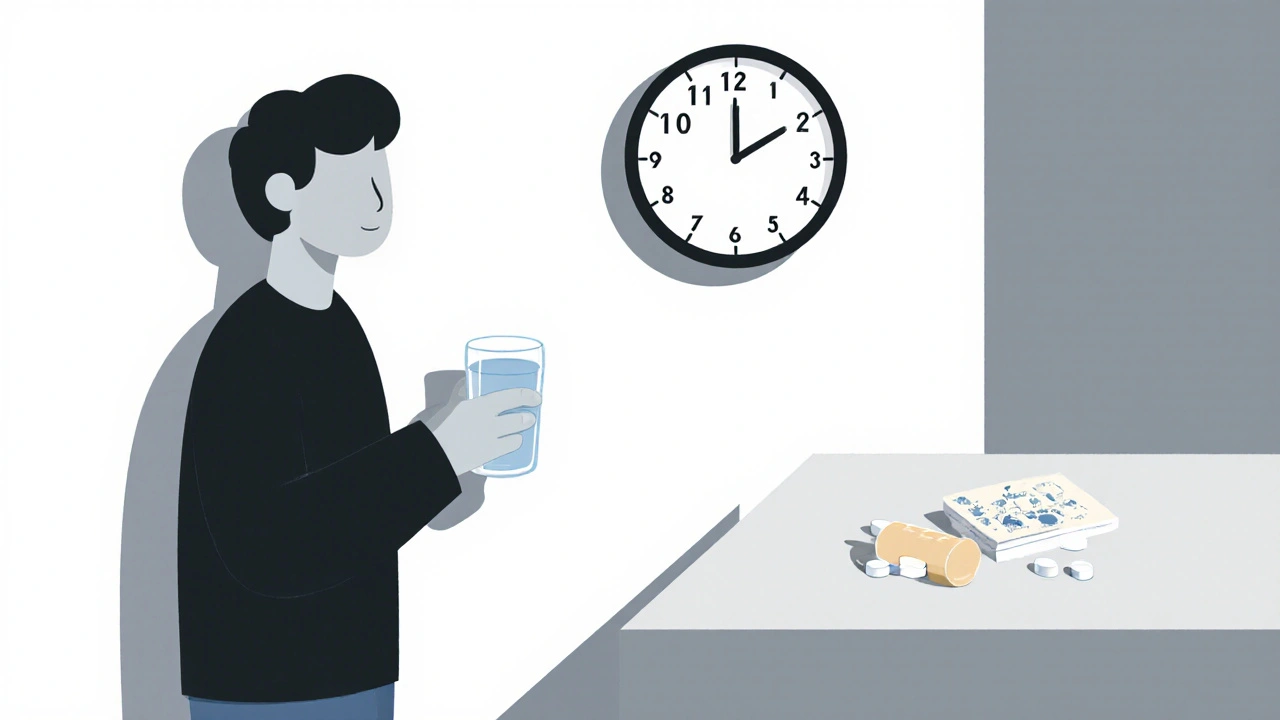
Osteoporosis Medications: How Bisphosphonates and Calcium Work Together (and When They Fight)
- Nov, 27 2025
- 10
Bisphosphonates are powerful osteoporosis drugs, but they only work if taken correctly with calcium. Learn the exact timing rules, common mistakes, and how to avoid losing up to 90% of their benefit.
Categories
- Health and Medicine (78)
- Health and Wellness (57)
- Medicine (37)
- Women's Health (11)
- Mental Health (10)
- Men's Health (7)
- Beauty and Wellness (4)
- Health Information (4)
Archives
- April 2026 (3)
- March 2026 (11)
- February 2026 (11)
- January 2026 (25)
- December 2025 (28)
- November 2025 (25)
- October 2025 (27)
- September 2025 (14)
- August 2025 (3)
- July 2025 (2)
- June 2025 (2)
- May 2025 (3)
- online pharmacy
- medication safety
- generic drugs
- dietary supplement
- health benefits
- dietary supplements
- prevention
- fertility
- online pharmacy Australia
- side effects
- QT prolongation
- medication side effects
- diabetes medications
- GLP-1 agonists
- nocebo effect
- brand vs generic
- treatment
- treatment options
- benefits
- connection