
Opioid Respiratory Depression: Causes, Risks, and How to Stay Safe
When someone takes too much of an opioid painkiller, their breathing can slow down—or stop. This is called opioid respiratory depression, a dangerous drop in breathing rate caused by opioids suppressing the brain’s drive to breathe. It’s not just a side effect—it’s the leading cause of death in opioid overdoses. It doesn’t always come with obvious signs like passed out or foaming at the mouth. Sometimes, it’s just quiet—slow, shallow breaths, blue lips, or a person who won’t wake up even when shaken. This isn’t rare. In fact, it’s why naloxone (Narcan) is now carried by first responders, schools, and even friends of people on long-term opioid therapy.
Naloxone, a medication that reverses opioid effects by kicking opioids off brain receptors is the go-to emergency tool. But it’s not magic—it only works if given fast. And it only lasts 30 to 90 minutes. If the opioid in the system lasts longer, breathing can shut down again. That’s why calling 911 after giving naloxone isn’t optional—it’s critical. Respiratory failure, the complete stoppage of breathing that can lead to brain damage or death happens fast, often within minutes. People on high-dose prescriptions, those mixing opioids with alcohol or benzodiazepines, or those who’ve lost tolerance after time off (like after rehab) are at highest risk.
You don’t need to be a doctor to spot the warning signs. If someone looks unusually sleepy, can’t stay awake, or their breathing sounds like snoring but they’re not snoring—those are red flags. Opioid respiratory depression doesn’t care if you’re taking your meds as prescribed. It can happen if you miss a meal, get dehydrated, or take an extra pill because the pain came back. That’s why understanding your dose, knowing your triggers, and having naloxone on hand isn’t just smart—it’s survival.
The posts below cover real-world scenarios where opioid safety intersects with other meds, aging bodies, mental health, and emergency response. You’ll find guides on how to talk to pharmacists about opioid risks, how to store naloxone properly, how alcohol worsens breathing suppression, and how to recognize early signs before it’s too late. This isn’t theoretical. These are the tools people use every day to keep themselves and their loved ones alive.
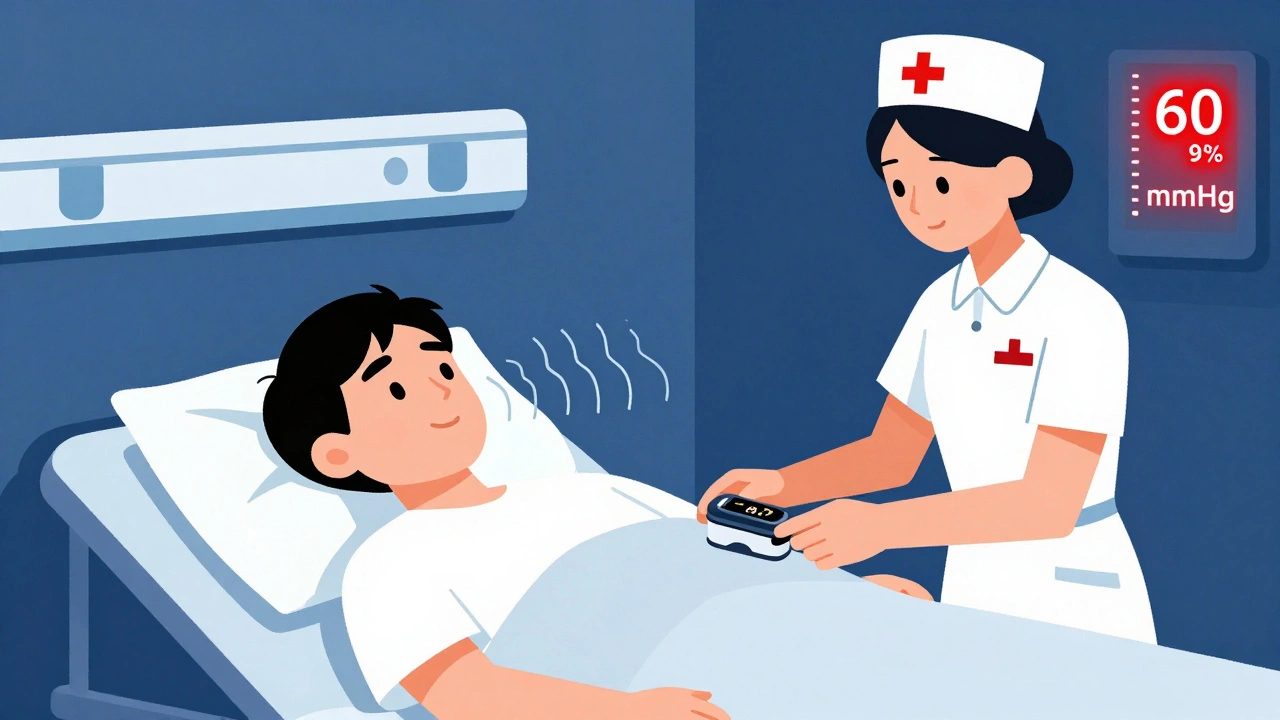
Respiratory Depression from Opioids and Other Medications: Critical Signs You Can't Ignore
- Dec, 9 2025
- 8
Respiratory depression from opioids and other sedatives is a silent, preventable killer. Learn the critical signs - beyond slow breathing - that can save a life. Know who’s at risk, what works, and how to act before it’s too late.
Categories
- Health and Medicine (75)
- Health and Wellness (57)
- Medicine (37)
- Women's Health (11)
- Mental Health (10)
- Men's Health (7)
- Beauty and Wellness (4)
- Health Information (4)
Archives
- March 2026 (11)
- February 2026 (11)
- January 2026 (25)
- December 2025 (28)
- November 2025 (25)
- October 2025 (27)
- September 2025 (14)
- August 2025 (3)
- July 2025 (2)
- June 2025 (2)
- May 2025 (3)
- April 2025 (4)
- online pharmacy
- medication safety
- generic drugs
- dietary supplement
- health benefits
- dietary supplements
- prevention
- fertility
- online pharmacy Australia
- side effects
- QT prolongation
- medication side effects
- diabetes medications
- GLP-1 agonists
- nocebo effect
- brand vs generic
- treatment
- treatment options
- benefits
- connection