
Near Vision Loss: Causes, Medications, and What You Can Do
When you can’t read the menu at dinner or struggle to focus on your phone, you’re not just getting older—you might be dealing with near vision loss, a condition where the eye loses its ability to focus on close objects, often due to aging, disease, or drug effects. Also known as presbyopia, it’s common after 40, but it can show up earlier if you have diabetes, take certain medications, or have nerve damage in the eye. This isn’t just about needing reading glasses. Sometimes, it’s a warning sign that something deeper is going on.
One of the biggest hidden causes is diabetic retinopathy, a complication of diabetes that damages blood vessels in the retina and can lead to blurred or distorted near vision. It doesn’t always come with pain or sudden changes, which is why it sneaks up on people. Studies show that over 40% of adults with type 2 diabetes develop some form of retinopathy within 20 years. And while it’s often treated with lasers or injections, newer research suggests drugs like brimonidine tartrate, a glaucoma medication now being studied for its ability to protect retinal nerve cells, might help slow the damage. That’s important—because once vision is lost, it’s often permanent.
Medications can also directly cause or worsen near vision loss. Some blood pressure drugs, antidepressants, and antihistamines affect the eye’s focusing muscles. Even something as simple as long-term steroid use can lead to cataracts, which blur close-up vision. If you’ve noticed your reading getting harder after starting a new pill, it’s worth talking to your doctor. It’s not always the aging process—it could be a side effect you didn’t know about.
And it’s not just about what you take—it’s about what you don’t manage. Poorly controlled diabetes, high blood pressure, and smoking all increase your risk of eye nerve damage. These aren’t just lifestyle choices—they’re direct threats to your ability to see up close. The good news? Catching the problem early gives you a real shot at stopping it. Regular eye exams, tighter blood sugar control, and reviewing your meds with your pharmacist can make a huge difference.
You’ll find posts here that dig into exactly how drugs like brimonidine tartrate are being used to protect vision, how diabetes medications can silently harm your eyes, and what common prescriptions might be making your near vision worse. There’s also advice on spotting early signs before you’re struggling to read your own prescriptions. This isn’t about fear—it’s about knowing what to watch for, what to ask your doctor, and how to protect your sight before it’s too late.
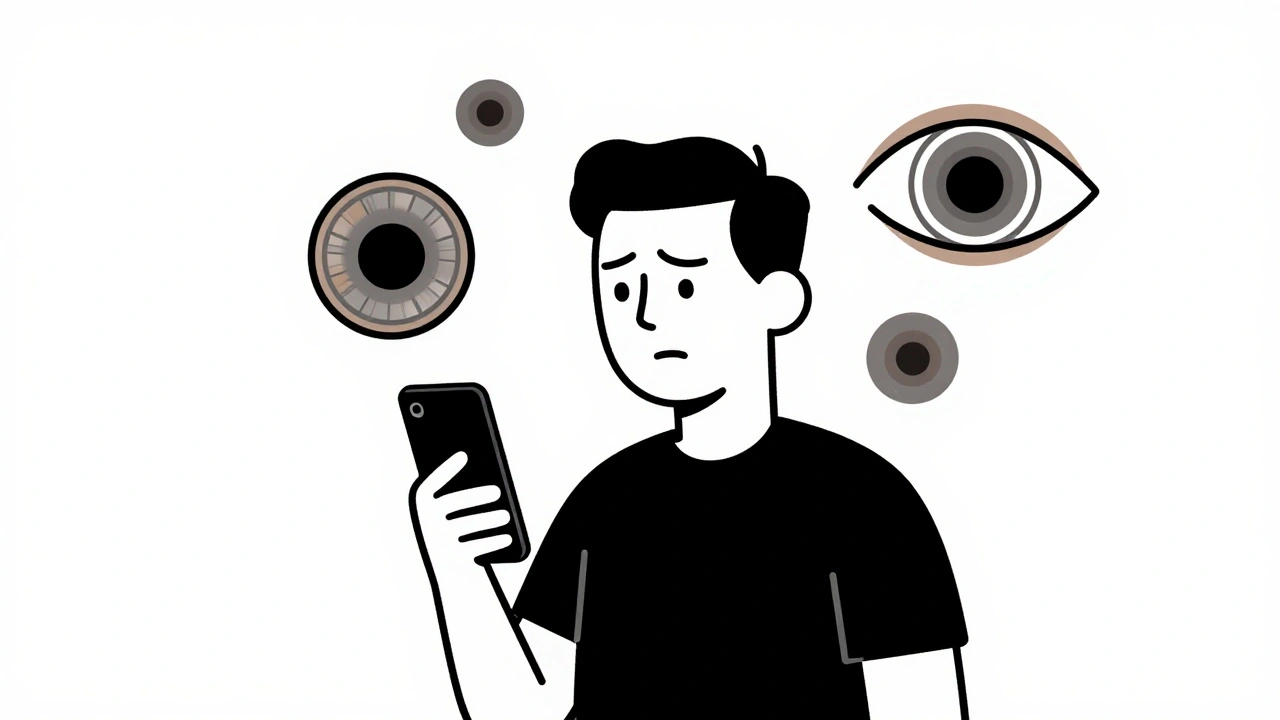
Presbyopia: Why You Can't Read Small Print Anymore and What You Can Do About It
- Dec, 3 2025
- 15
Presbyopia is the natural aging of your eyes that makes reading small print hard after 40. Learn how reading glasses, progressives, and other options restore near vision - and why eye exams at 40 are essential.
Categories
- Health and Medicine (77)
- Health and Wellness (57)
- Medicine (37)
- Women's Health (11)
- Mental Health (10)
- Men's Health (7)
- Beauty and Wellness (4)
- Health Information (4)
Archives
- April 2026 (2)
- March 2026 (11)
- February 2026 (11)
- January 2026 (25)
- December 2025 (28)
- November 2025 (25)
- October 2025 (27)
- September 2025 (14)
- August 2025 (3)
- July 2025 (2)
- June 2025 (2)
- May 2025 (3)
- online pharmacy
- medication safety
- generic drugs
- dietary supplement
- health benefits
- dietary supplements
- prevention
- fertility
- online pharmacy Australia
- side effects
- QT prolongation
- medication side effects
- diabetes medications
- GLP-1 agonists
- nocebo effect
- brand vs generic
- treatment
- treatment options
- benefits
- connection