
Narcolepsy: Understanding the Sleep Disorder and How Medications Help
When your body can’t control when you fall asleep, even in the middle of a conversation or while driving, you’re not just tired—you might have narcolepsy, a chronic neurological disorder that disrupts the brain’s ability to regulate sleep-wake cycles. Also known as hypocretin deficiency disorder, it’s not laziness or poor sleep habits—it’s a real medical condition affecting about 1 in 2,000 people. People with narcolepsy don’t just feel sleepy during the day; they can suddenly lose muscle control, a symptom called cataplexy, a sudden, brief loss of muscle tone triggered by strong emotions like laughter or anger. This isn’t fainting—it’s like your body hits pause while your mind stays awake.
Narcolepsy often shows up in teens or young adults, but many go undiagnosed for years because symptoms get mistaken for depression, ADHD, or just being "lazy." The core signs are excessive daytime sleepiness, sudden muscle weakness, sleep paralysis (being unable to move when falling asleep or waking up), and vivid hallucinations as you drift off or come back. These aren’t just odd dreams—they’re intense, scary experiences tied to your brain mixing REM sleep with wakefulness. And while no cure exists, treatments help manage symptoms. Medications like modafinil, sodium oxybate, and certain antidepressants target the brain chemicals that keep you alert or control muscle tone. Lifestyle changes—like scheduled naps, consistent sleep schedules, and avoiding alcohol—also make a real difference.
What’s often overlooked is how narcolepsy affects work, school, and relationships. Imagine trying to focus in a meeting while your body fights to shut down, or avoiding laughter because you’re scared of collapsing. That’s daily life for many. The good news? More people are getting diagnosed now than ever before, and treatments have improved. You’ll find real stories and practical advice below—how to talk to your doctor, what medications actually help, how to handle narcolepsy at work or school, and what to do when symptoms don’t respond to standard treatment. This isn’t theory. These are the tools people use to take back control.
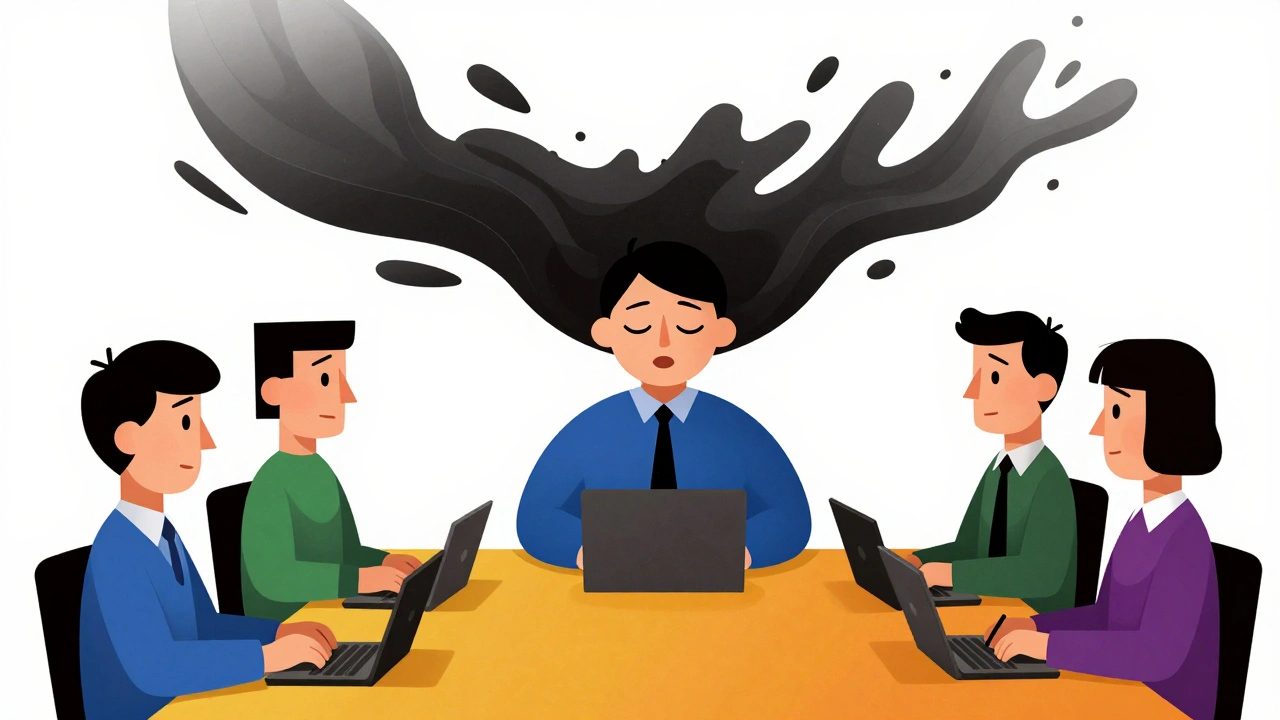
Narcolepsy: Understanding Daytime Sleepiness and Stimulant Treatment Options
- Dec, 7 2025
- 12
Narcolepsy causes uncontrollable daytime sleepiness and sudden muscle weakness. Stimulants like modafinil and armodafinil are first-line treatments to improve alertness, but newer options and lifestyle strategies also play key roles in managing this lifelong neurological disorder.
Categories
- Health and Medicine (68)
- Health and Wellness (57)
- Medicine (37)
- Women's Health (11)
- Mental Health (10)
- Men's Health (7)
- Beauty and Wellness (4)
- Health Information (4)
Archives
- March 2026 (4)
- February 2026 (11)
- January 2026 (25)
- December 2025 (28)
- November 2025 (25)
- October 2025 (27)
- September 2025 (14)
- August 2025 (3)
- July 2025 (2)
- June 2025 (2)
- May 2025 (3)
- April 2025 (4)
- online pharmacy
- medication safety
- dietary supplement
- health benefits
- dietary supplements
- generic drugs
- prevention
- fertility
- online pharmacy Australia
- side effects
- QT prolongation
- medication side effects
- diabetes medications
- GLP-1 agonists
- nocebo effect
- brand vs generic
- treatment
- treatment options
- benefits
- connection