
Naloxone Rescue: How It Stops Opioid Overdoses and Saves Lives
When someone overdoses on opioids, their breathing slows or stops—sometimes in just minutes. naloxone rescue, a fast-acting medication that blocks opioid effects in the brain. Also known as Narcan, it’s the only FDA-approved treatment that can reverse an opioid overdose before emergency help arrives. It doesn’t work on alcohol, benzodiazepines, or stimulants—only opioids like heroin, fentanyl, oxycodone, and prescription painkillers.
Most naloxone rescue kits come as a nasal spray or auto-injector. You don’t need medical training to use them. If someone is unresponsive, not breathing normally, or has pinpoint pupils, give naloxone right away. It kicks in within 2 to 5 minutes. If they don’t wake up after the first dose, give a second one. Even if they seem fine afterward, they still need emergency care—naloxone wears off faster than most opioids, and the overdose can return.
opioid overdose, a medical emergency caused by too much opioid in the system. Also known as opioid poisoning, it’s the leading cause of accidental death among adults under 50 in the U.S. Many people don’t realize they’re at risk—someone taking prescribed pain meds, using street drugs, or even relapsing after time off opioids can overdose. That’s why naloxone rescue isn’t just for drug users. It’s for parents, teachers, coworkers, friends—anyone who might be near someone who uses opioids.
naloxone injection, a form of naloxone delivered by syringe, often used by EMS and hospitals. Also known as injectable naloxone, it’s just as effective as nasal sprays but requires more training to use correctly. Many public places now carry naloxone—schools, libraries, community centers, even some restaurants. You can get it without a prescription in most states. And if you’re on long-term opioid therapy, your doctor should give you one. It’s not about judging use—it’s about keeping people alive.
Some worry that having naloxone around encourages drug use. But the data says otherwise. Places with widespread naloxone distribution see fewer overdose deaths, not more drug use. It’s not a cure. It’s a bridge—giving someone a second chance to get help. And that’s what matters.
Below, you’ll find real stories and practical guides on how naloxone rescue fits into broader medication safety, from recognizing overdose signs to managing opioid prescriptions safely. These aren’t just medical facts—they’re tools you can use today to protect someone you care about.
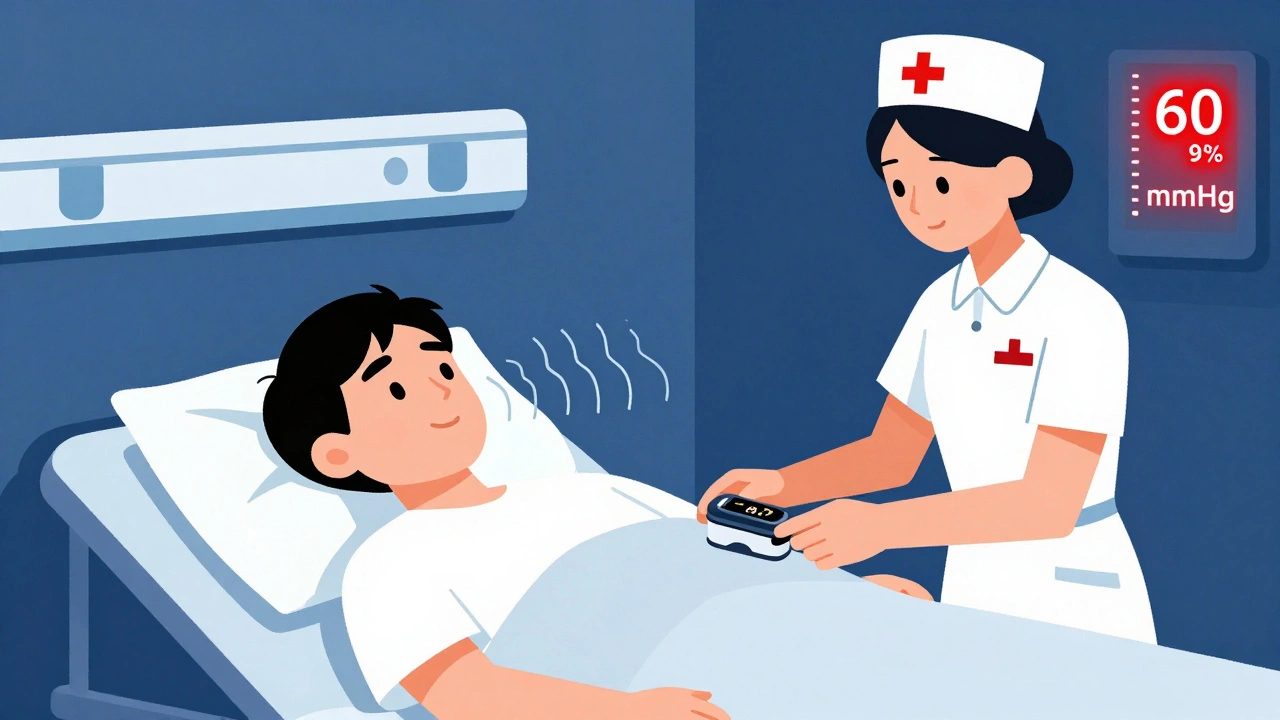
Respiratory Depression from Opioids and Other Medications: Critical Signs You Can't Ignore
- Dec, 9 2025
- 8
Respiratory depression from opioids and other sedatives is a silent, preventable killer. Learn the critical signs - beyond slow breathing - that can save a life. Know who’s at risk, what works, and how to act before it’s too late.
Categories
- Health and Medicine (76)
- Health and Wellness (57)
- Medicine (37)
- Women's Health (11)
- Mental Health (10)
- Men's Health (7)
- Beauty and Wellness (4)
- Health Information (4)
Archives
- April 2026 (1)
- March 2026 (11)
- February 2026 (11)
- January 2026 (25)
- December 2025 (28)
- November 2025 (25)
- October 2025 (27)
- September 2025 (14)
- August 2025 (3)
- July 2025 (2)
- June 2025 (2)
- May 2025 (3)
- online pharmacy
- medication safety
- generic drugs
- dietary supplement
- health benefits
- dietary supplements
- prevention
- fertility
- online pharmacy Australia
- side effects
- QT prolongation
- medication side effects
- diabetes medications
- GLP-1 agonists
- nocebo effect
- brand vs generic
- treatment
- treatment options
- benefits
- connection