
Mouth Sores: Causes, Treatments, and What Medications Can Trigger Them
When you get a mouth sore, a painful lesion inside the mouth that can interfere with eating, talking, or swallowing. Also known as oral ulcers, it often shows up as a small white or red spot on the tongue, gums, or inner cheeks. Most are harmless and go away on their own in a week or two—but if they keep coming back, last longer than two weeks, or hurt more than usual, something else might be going on. It’s not just stress or biting your cheek. Sometimes, it’s your medication.
Medication side effects, unintended reactions to drugs that can affect the mouth, skin, or immune system are a common but overlooked cause. Antibiotics, like those used for sinus infections or acne, can trigger yeast infections that turn into painful white patches. Chemotherapy drugs? They often wipe out the cells that line your mouth, leaving you with sores you can’t ignore. Even blood pressure meds like ACE inhibitors—like Ramipril—can cause swelling or ulcers in some people. And if you’re on something for depression, diabetes, or autoimmune disease, your mouth might be the first place it shows up.
Canker sores, a specific type of mouth sore not caused by infection, often linked to immune reactions or nutritional gaps are different from cold sores. They don’t come from the herpes virus. They show up alone, not in clusters, and they hurt like crazy. People with celiac disease, Crohn’s, or vitamin B12, iron, or folate deficiencies get them more often. And yes—some of the drugs used to treat those conditions can make it worse. It’s a loop: the disease causes the sore, the treatment might cause another.
What you can do starts with recognizing the pattern. If you notice sores popping up right after starting a new pill, talk to your doctor. Don’t just assume it’s normal. Keep a simple log: when the sore appeared, what you started taking, how long it lasted. That info helps your provider spot a connection fast. For minor cases, saltwater rinses, OTC gels with benzocaine, or avoiding spicy food help. But if you’re on long-term meds and sores keep returning, it’s not just about symptom control—it’s about adjusting your treatment plan.
This collection of articles doesn’t just list mouth sores as a side effect. It shows you how they connect to bigger issues: antibiotic use, immune reactions, drug interactions, and how your body responds under stress. You’ll find real stories behind the symptoms—like how mupirocin resistance can lead to skin and mouth infections, or how antacids and antibiotics mess with your oral microbiome. You’ll see how diabetes meds, chemotherapy, and even vaccines can trigger oral changes. And you’ll learn what to ask your pharmacist when a new prescription comes in.
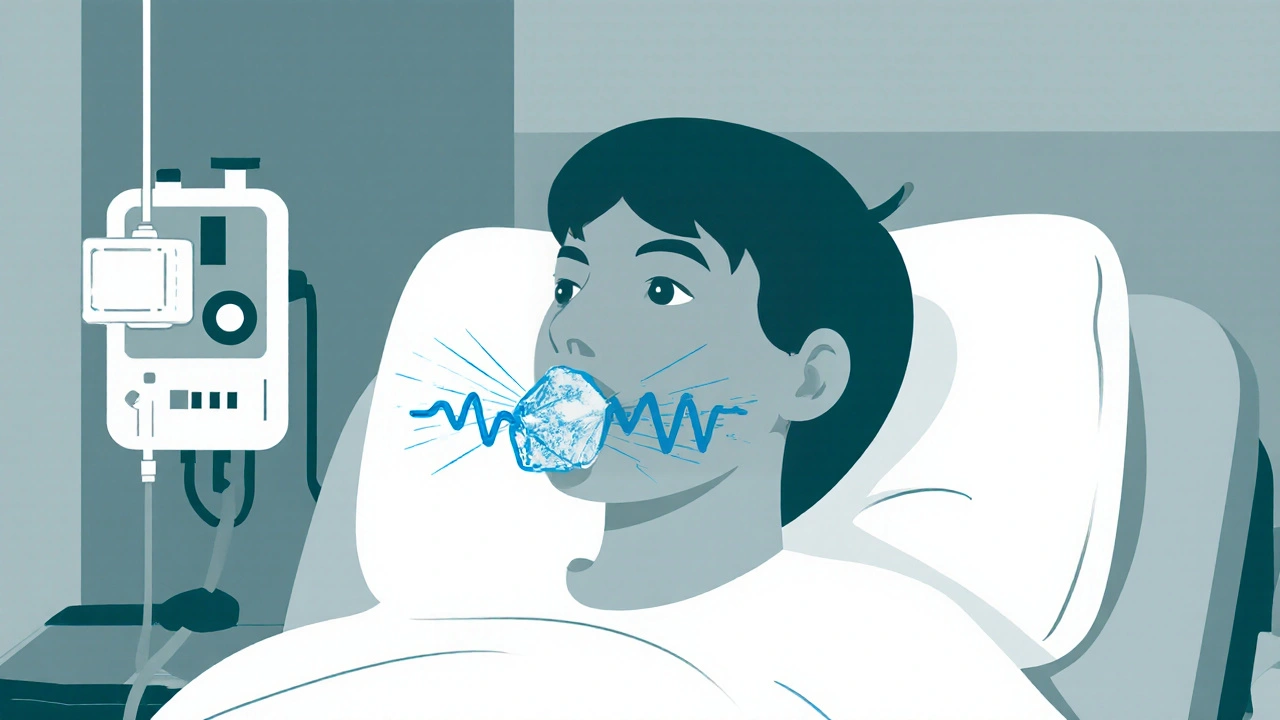
Mouth Sores from Medications: How to Prevent and Care for Them
- Nov, 23 2025
- 13
Mouth sores from chemotherapy and radiation are common and painful, but preventable. Learn evidence-based strategies like cryotherapy, benzydamine mouthwash, and dental prep to reduce risk and manage pain effectively.
Categories
- Health and Medicine (75)
- Health and Wellness (57)
- Medicine (37)
- Women's Health (11)
- Mental Health (10)
- Men's Health (7)
- Beauty and Wellness (4)
- Health Information (4)
Archives
- March 2026 (11)
- February 2026 (11)
- January 2026 (25)
- December 2025 (28)
- November 2025 (25)
- October 2025 (27)
- September 2025 (14)
- August 2025 (3)
- July 2025 (2)
- June 2025 (2)
- May 2025 (3)
- April 2025 (4)
- online pharmacy
- medication safety
- generic drugs
- dietary supplement
- health benefits
- dietary supplements
- prevention
- fertility
- online pharmacy Australia
- side effects
- QT prolongation
- medication side effects
- diabetes medications
- GLP-1 agonists
- nocebo effect
- brand vs generic
- treatment
- treatment options
- benefits
- connection