
Modafinil: What It Is, How It Works, and What You Need to Know
When you need to stay awake and focused but don’t want the jitters of caffeine or the crash of stimulants, modafinil, a prescription wakefulness agent approved for narcolepsy, shift work sleep disorder, and obstructive sleep apnea. Also known as Provigil, it works differently than amphetamines—targeting brain chemicals like dopamine and orexin to promote alertness without the typical high or crash. Unlike caffeine, which just blocks sleep signals, modafinil helps reset your brain’s natural wakefulness cycle. That’s why doctors prescribe it for people who can’t get enough sleep due to medical conditions—not just for students pulling all-nighters.
But modafinil doesn’t work in a vacuum. It interacts with other meds you might be taking. For example, if you’re on birth control, modafinil can make it less effective—something many people don’t realize until it’s too late. It also affects how your liver processes antidepressants, blood pressure drugs, and even some painkillers. If you’re using St. John’s Wort, an herbal supplement often taken for mild depression, combining it with modafinil could lead to unpredictable side effects. And if you drink alcohol while on modafinil, you might feel less drunk—but your body is still processing both, which can stress your liver. These aren’t theoretical risks; they’re documented in real cases where people ended up in the ER because they didn’t check interactions.
Modafinil is also part of a bigger conversation about cognitive enhancers, substances used to improve focus, memory, or alertness beyond normal function. People use it to study, work longer hours, or manage shift work. But it’s not a magic pill. It doesn’t make you smarter—it just makes it easier to stay awake and concentrate. And if you’re not prescribed it, using it without medical supervision can mask underlying issues like chronic sleep deprivation or untreated ADHD. The real solution isn’t always a pill; sometimes it’s fixing your sleep schedule, managing stress, or talking to a doctor about why you’re so tired all the time.
What you’ll find below are real, practical guides written by people who’ve been there—whether it’s understanding how modafinil affects your heart rhythm, how to avoid dangerous combos with other meds, or how to manage anxiety about using it. These aren’t ads or opinion pieces. They’re evidence-based, no-fluff breakdowns of what actually happens when you take modafinil—and what to do if something goes wrong.
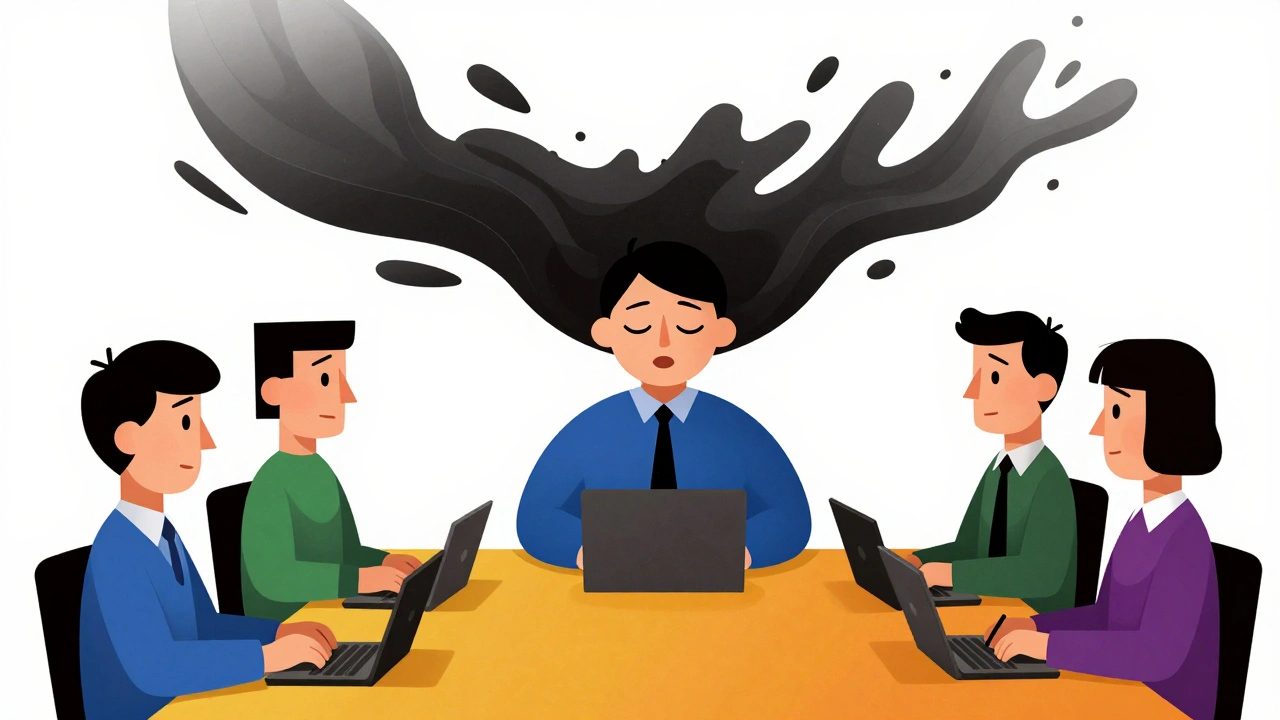
Narcolepsy: Understanding Daytime Sleepiness and Stimulant Treatment Options
- Dec, 7 2025
- 12
Narcolepsy causes uncontrollable daytime sleepiness and sudden muscle weakness. Stimulants like modafinil and armodafinil are first-line treatments to improve alertness, but newer options and lifestyle strategies also play key roles in managing this lifelong neurological disorder.
Categories
- Health and Medicine (76)
- Health and Wellness (57)
- Medicine (37)
- Women's Health (11)
- Mental Health (10)
- Men's Health (7)
- Beauty and Wellness (4)
- Health Information (4)
Archives
- April 2026 (1)
- March 2026 (11)
- February 2026 (11)
- January 2026 (25)
- December 2025 (28)
- November 2025 (25)
- October 2025 (27)
- September 2025 (14)
- August 2025 (3)
- July 2025 (2)
- June 2025 (2)
- May 2025 (3)
- online pharmacy
- medication safety
- generic drugs
- dietary supplement
- health benefits
- dietary supplements
- prevention
- fertility
- online pharmacy Australia
- side effects
- QT prolongation
- medication side effects
- diabetes medications
- GLP-1 agonists
- nocebo effect
- brand vs generic
- treatment
- treatment options
- benefits
- connection