
Metformin: What It Is, How It Works, and What You Need to Know
When you hear metformin, a first-line oral medication used to treat type 2 diabetes by reducing liver glucose production and improving insulin sensitivity. Also known as Glucophage, it’s been the go-to drug for over 60 years — not because it’s flashy, but because it works, it’s cheap, and it’s safe for most people. Unlike other diabetes pills that force your body to make more insulin, metformin teaches your body to use what it already has better. That’s why doctors reach for it first — especially if you’re overweight or have insulin resistance.
It doesn’t cause low blood sugar on its own, doesn’t make you gain weight, and might even help you lose a few pounds. Studies show it lowers your risk of heart attacks and strokes in people with type 2 diabetes — not just by controlling sugar, but by reducing inflammation and improving how your blood vessels work. And yes, it’s not just for diabetes anymore. Doctors now use it for PCOS, prediabetes, and even as a potential anti-aging tool in early research. But it’s not magic. It needs time. You won’t feel a difference the first day. It builds up slowly, and side effects like stomach upset are common at first — but most people get used to it.
That’s why so many of our posts focus on how to take it right, what to avoid mixing with it, and how to handle the side effects without quitting. You’ll find guides on insulin resistance, a condition where your cells stop responding properly to insulin, often the root cause of type 2 diabetes and how metformin flips the script. We cover blood sugar control, the daily balancing act of keeping glucose levels steady to prevent long-term damage — not just with pills, but with timing, food, and habits. And you’ll see how type 2 diabetes, a chronic condition where the body can’t manage blood sugar effectively, often due to lifestyle and genetics isn’t just about taking a pill — it’s about understanding your body’s signals.
Some people think metformin is just a sugar pill. It’s not. It’s a tool — one that’s been studied in millions of people, used in hospitals and homes, and trusted by endocrinologists worldwide. But it’s only as good as how you use it. That’s why our collection dives into real-world issues: how to time it with meals, what to do if you miss a dose, why some people can’t take it, and how it plays with other meds like antibiotics or antacids. You’ll find answers about kidney checks, vitamin B12 depletion, and whether it’s safe long-term. No fluff. No hype. Just what you need to know to make it work for you.
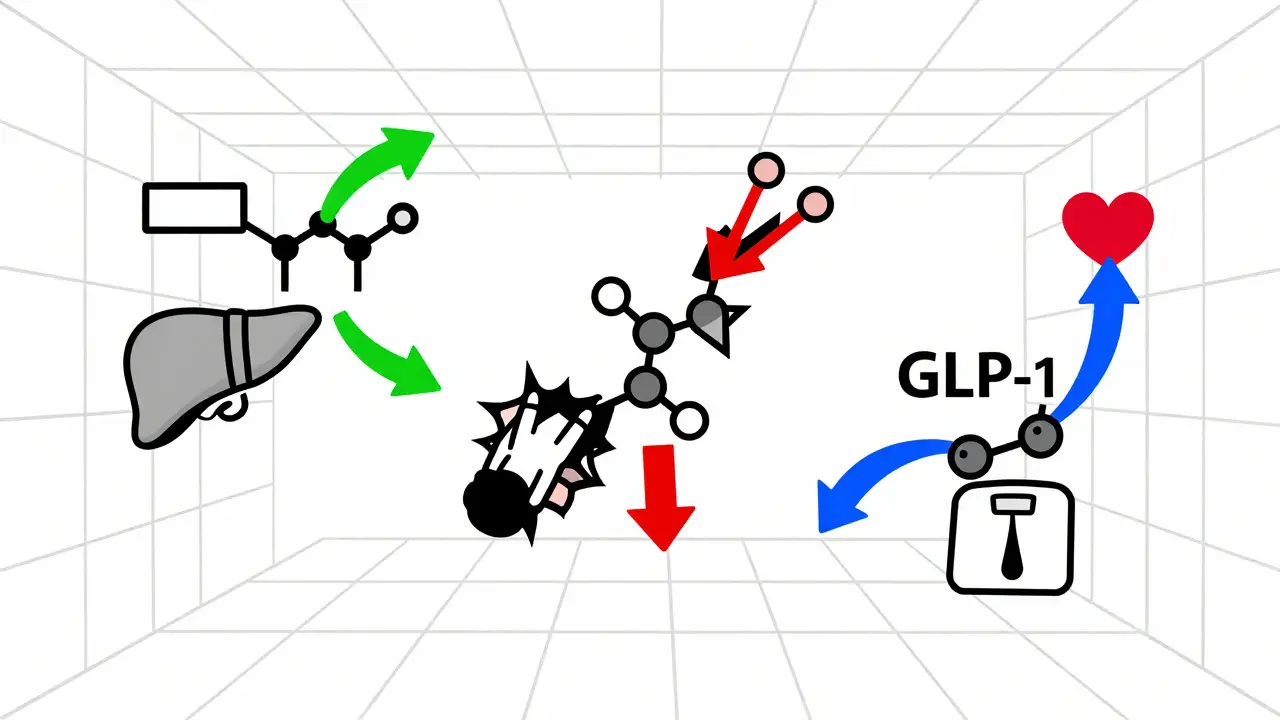
Oral Diabetes Medications Compared: Metformin, Sulfonylureas, and GLP-1 Agonists
- Jan, 30 2026
- 15
Metformin, sulfonylureas, and GLP-1 agonists are the three main oral diabetes medications. Learn how they compare in effectiveness, side effects, cost, and long-term health benefits for type 2 diabetes management.
Choosing Diabetes Medications Based on Side Effect Profiles: A Practical Guide for Type 2 Diabetes
- Nov, 26 2025
- 12
Choosing the right diabetes medication means matching side effects to your lifestyle. Learn how metformin, SGLT-2 inhibitors, GLP-1 agonists, and others compare in safety, weight impact, and hypoglycemia risk.
Categories
- Health and Medicine (75)
- Health and Wellness (57)
- Medicine (37)
- Women's Health (11)
- Mental Health (10)
- Men's Health (7)
- Beauty and Wellness (4)
- Health Information (4)
Archives
- March 2026 (11)
- February 2026 (11)
- January 2026 (25)
- December 2025 (28)
- November 2025 (25)
- October 2025 (27)
- September 2025 (14)
- August 2025 (3)
- July 2025 (2)
- June 2025 (2)
- May 2025 (3)
- April 2025 (4)
- online pharmacy
- medication safety
- generic drugs
- dietary supplement
- health benefits
- dietary supplements
- prevention
- fertility
- online pharmacy Australia
- side effects
- QT prolongation
- medication side effects
- diabetes medications
- GLP-1 agonists
- nocebo effect
- brand vs generic
- treatment
- treatment options
- benefits
- connection