
Low-Residue Diet: What It Is, Who Needs It, and How It Helps
When your digestive system is irritated or overworked, a low-residue diet, a dietary approach that minimizes undigested material in the intestines to reduce bowel movements and inflammation. Also known as low-fiber diet, it’s not about starving your body—it’s about giving your gut a break. This isn’t a weight-loss plan or a trendy cleanse. It’s a medical tool used when your intestines need rest—like during a flare-up of inflammatory bowel disease, a group of chronic conditions including Crohn’s and ulcerative colitis that cause gut inflammation, after bowel surgery, or during an acute episode of diverticulitis, a condition where small pouches in the colon become inflamed or infected.
Think of it like turning down the volume on your digestive system. Foods that normally create bulk—whole grains, raw veggies, nuts, seeds, and skins—are cut back. Instead, you get refined carbs like white bread, plain pasta, and rice. Cooked vegetables without skins, lean meats, eggs, and dairy (if tolerated) make up the rest. It’s not about avoiding nutrition—it’s about avoiding things that are hard to digest. You still get calories, protein, and essential nutrients, just in a gentler form. The goal? Fewer bowel movements, less cramping, and less strain on an already sensitive gut. Many people mistake this diet for being bland or boring, but with smart choices, meals can still be satisfying. Think creamy mashed potatoes instead of baked ones with skin, scrambled eggs instead of tofu scramble, or applesauce instead of raw apple.
It’s temporary. Most people don’t stay on this diet long-term. Doctors usually recommend it for a few days to a couple of weeks, depending on the condition. Once the flare-up settles or the bowel recovers, fiber is slowly added back in. Staying on it too long can lead to nutrient gaps or weaken your gut’s ability to handle normal foods later. That’s why it’s always paired with medical supervision. You’ll find posts here that explain how this diet works with medications, what to avoid when you’re on antibiotics or painkillers, and how to safely transition off it without triggering symptoms again. Whether you’re managing a chronic condition or recovering from a procedure, this collection gives you real, practical advice—not guesswork.
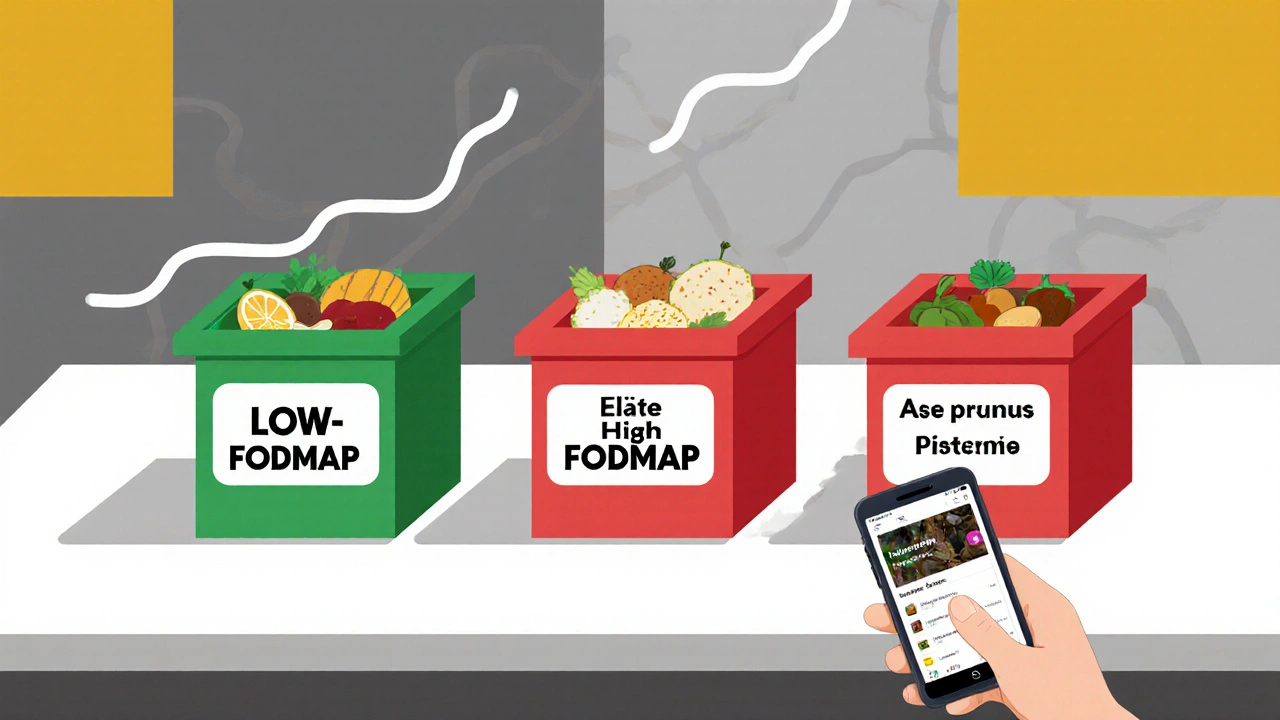
IBS Diet Guide: FODMAP, Low-Residue, and Elimination Plans Explained
- Nov, 19 2025
- 8
Learn how the low-FODMAP, low-residue, and elimination diets work for IBS. Discover which one actually works, how to do it right, and what to avoid. Evidence-based, practical, and backed by Monash University research.
Categories
- Health and Medicine (77)
- Health and Wellness (57)
- Medicine (37)
- Women's Health (11)
- Mental Health (10)
- Men's Health (7)
- Beauty and Wellness (4)
- Health Information (4)
Archives
- April 2026 (2)
- March 2026 (11)
- February 2026 (11)
- January 2026 (25)
- December 2025 (28)
- November 2025 (25)
- October 2025 (27)
- September 2025 (14)
- August 2025 (3)
- July 2025 (2)
- June 2025 (2)
- May 2025 (3)
- online pharmacy
- medication safety
- generic drugs
- dietary supplement
- health benefits
- dietary supplements
- prevention
- fertility
- online pharmacy Australia
- side effects
- QT prolongation
- medication side effects
- diabetes medications
- GLP-1 agonists
- nocebo effect
- brand vs generic
- treatment
- treatment options
- benefits
- connection