
Low-FODMAP Diet: What It Is and How It Helps with Digestive Issues
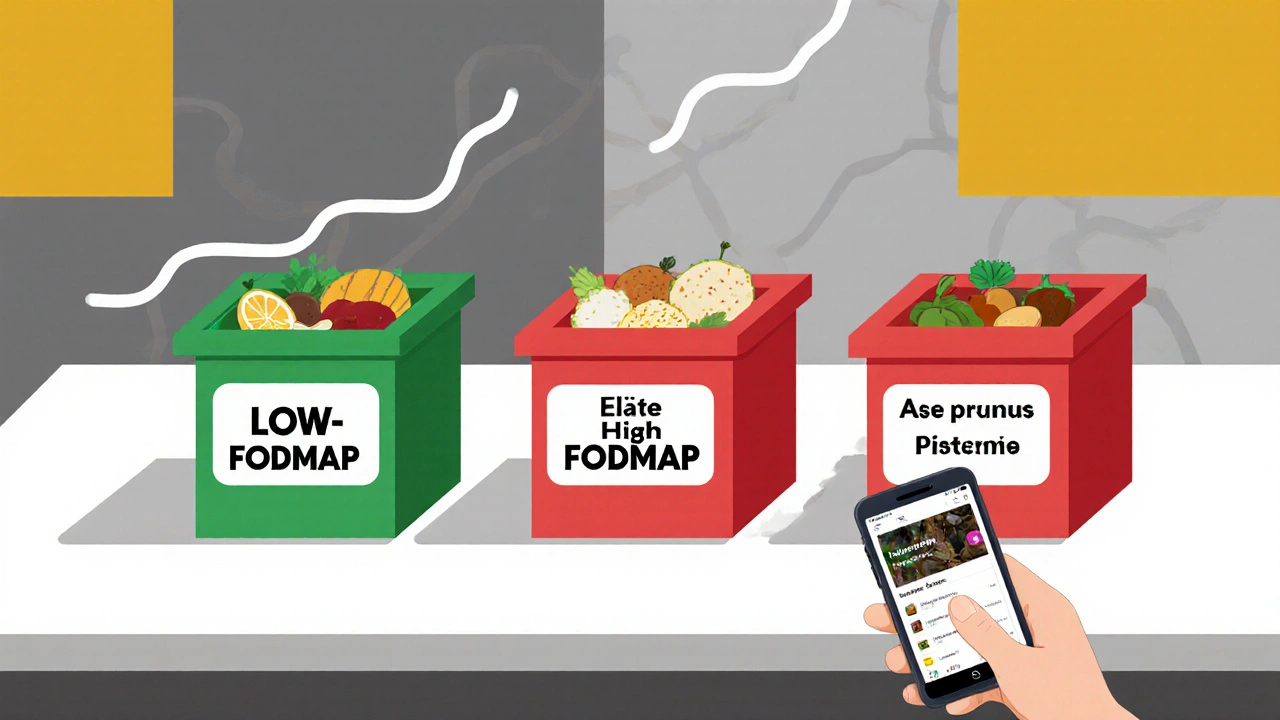
When your stomach feels bloated, crampy, or gassy after eating, it might not be the food itself—it could be low-FODMAP diet, a dietary approach designed to reduce fermentable carbs that trigger digestive symptoms, especially in people with irritable bowel syndrome. Also known as FODMAP elimination diet, it’s not a weight-loss plan or a gluten-free trend. It’s a science-backed tool used by millions to quiet a noisy gut.
The FODMAPs, a group of short-chain carbohydrates that are poorly absorbed in the small intestine and fermented by gut bacteria include fructose, lactose, fructans, galacto-oligosaccharides, and polyols. These show up in common foods like onions, garlic, milk, apples, wheat bread, and sugar-free gum. For some people, even small amounts trigger bloating, diarrhea, or pain. The low-FODMAP diet, a structured three-phase plan that eliminates, reintroduces, and personalizes FODMAP intake helps identify which triggers are yours—and which you can safely eat again.
This isn’t about cutting out everything fun. It’s about finding your personal tolerance. Many people see real relief within weeks. A 2016 study in the Journal of Gastroenterology and Hepatology showed 76% of IBS patients had significant symptom improvement on the diet. You don’t need to stay on it forever. The goal is to rebuild a varied, satisfying diet—just without the triggers that make you feel awful.
People using this diet often pair it with other gut-friendly habits: staying hydrated, eating slowly, managing stress, and avoiding artificial sweeteners. You’ll find posts here that cover how to safely use it while breastfeeding, how it interacts with medications like antibiotics, and how to avoid nutrient gaps when cutting out whole food groups. Some posts show how to label meals clearly when you’re juggling meds and dietary changes. Others explain how to spot hidden FODMAPs in processed foods or supplements.
If you’ve tried probiotics, eliminated gluten, or taken antacids without lasting relief, the low-FODMAP diet might be the missing piece. It’s not magic. It’s methodical. And it’s backed by real people who’ve been where you are—bloating after breakfast, avoiding social dinners, wondering if this will ever get better. Below, you’ll find practical guides from those who’ve walked this path, tested the foods, and learned what works—not just in theory, but in real life.
IBS Diet Guide: FODMAP, Low-Residue, and Elimination Plans Explained
- Nov, 19 2025
- 8
Learn how the low-FODMAP, low-residue, and elimination diets work for IBS. Discover which one actually works, how to do it right, and what to avoid. Evidence-based, practical, and backed by Monash University research.
Categories
- Health and Medicine (76)
- Health and Wellness (57)
- Medicine (37)
- Women's Health (11)
- Mental Health (10)
- Men's Health (7)
- Beauty and Wellness (4)
- Health Information (4)
Archives
- April 2026 (1)
- March 2026 (11)
- February 2026 (11)
- January 2026 (25)
- December 2025 (28)
- November 2025 (25)
- October 2025 (27)
- September 2025 (14)
- August 2025 (3)
- July 2025 (2)
- June 2025 (2)
- May 2025 (3)
- online pharmacy
- medication safety
- generic drugs
- dietary supplement
- health benefits
- dietary supplements
- prevention
- fertility
- online pharmacy Australia
- side effects
- QT prolongation
- medication side effects
- diabetes medications
- GLP-1 agonists
- nocebo effect
- brand vs generic
- treatment
- treatment options
- benefits
- connection