
IBS Food Triggers: What to Avoid and Why It Matters
When you have irritable bowel syndrome, a common digestive disorder that causes cramping, bloating, gas, and altered bowel habits without visible damage to the gut. Also known as functional bowel disorder, it doesn’t show up on scans—but it can wreck your daily life. The real problem isn’t just the symptoms. It’s how hard it is to know what’s causing them. One person’s trigger is another person’s snack. But some patterns are clear—and they show up again and again in real cases.
Food sensitivity, a reaction to certain foods that irritates the gut without involving the immune system like a true allergy is at the heart of most IBS flare-ups. It’s not about being allergic to dairy or gluten. It’s about how your gut processes specific carbs, fats, and additives. FODMAPs—fermentable sugars found in onions, garlic, beans, apples, and wheat—are the biggest culprits. They pull water into the intestine and feed gut bacteria that produce gas. That’s why bloating hits hard after a bowl of pasta or a slice of pizza. Dairy doesn’t always cause trouble, but lactose does. Same with fructose in honey and high-fructose corn syrup. Even artificial sweeteners like sorbitol and xylitol in sugar-free gum can turn your gut into a pressure cooker.
Digestive health, the overall function and comfort of your gastrointestinal tract, including how well food moves, is broken down, and doesn’t cause pain isn’t just about what you eat. It’s about timing, stress, and even how you eat. Eating too fast, skipping meals, or drinking carbonated drinks with meals can make triggers worse. Caffeine and alcohol? They’re not triggers on their own, but they stir up the gut like a shaken soda. And while fiber helps some people, too much insoluble fiber—like in bran cereals or raw veggies—can make cramps worse for others.
There’s no one-size-fits-all diet for IBS. But the good news? You don’t need to eliminate everything. Most people find relief by cutting out just 2 or 3 key triggers. It’s not about being perfect. It’s about finding your personal list. That’s why the posts below aren’t just lists of foods to avoid. They’re real stories from people who figured out what was hurting them—and how they got their life back. You’ll see how someone stopped daily bloating by cutting out onions, how another person found relief after ditching artificial sweeteners, and why some people feel better just by switching from soda to water. These aren’t theories. They’re results.
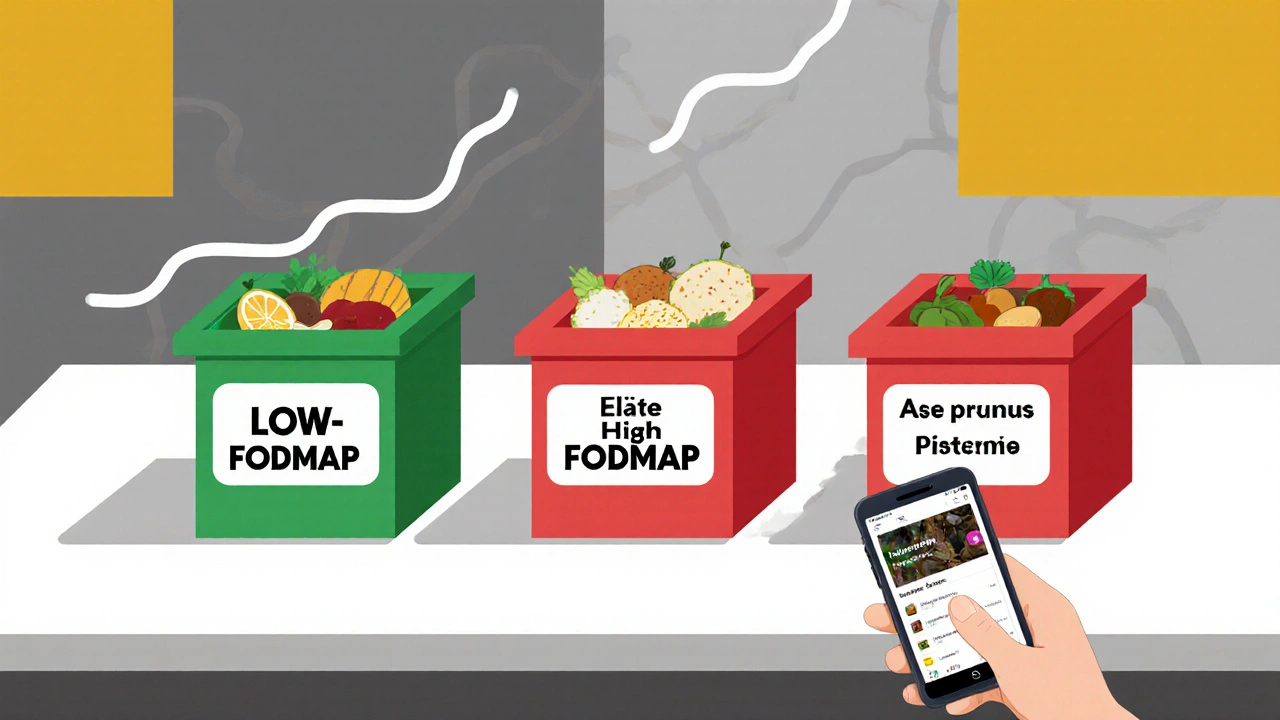
IBS Diet Guide: FODMAP, Low-Residue, and Elimination Plans Explained
- Nov, 19 2025
- 8
Learn how the low-FODMAP, low-residue, and elimination diets work for IBS. Discover which one actually works, how to do it right, and what to avoid. Evidence-based, practical, and backed by Monash University research.
Categories
- Health and Medicine (77)
- Health and Wellness (57)
- Medicine (37)
- Women's Health (11)
- Mental Health (10)
- Men's Health (7)
- Beauty and Wellness (4)
- Health Information (4)
Archives
- April 2026 (2)
- March 2026 (11)
- February 2026 (11)
- January 2026 (25)
- December 2025 (28)
- November 2025 (25)
- October 2025 (27)
- September 2025 (14)
- August 2025 (3)
- July 2025 (2)
- June 2025 (2)
- May 2025 (3)
- online pharmacy
- medication safety
- generic drugs
- dietary supplement
- health benefits
- dietary supplements
- prevention
- fertility
- online pharmacy Australia
- side effects
- QT prolongation
- medication side effects
- diabetes medications
- GLP-1 agonists
- nocebo effect
- brand vs generic
- treatment
- treatment options
- benefits
- connection