
Heart Disease: Causes, Treatments, and Medication Risks You Need to Know
When we talk about heart disease, a group of conditions that affect the heart’s structure and function, including coronary artery disease, heart failure, and arrhythmias. Also known as cardiovascular disease, it’s the leading cause of death worldwide—not because it’s mysterious, but because it often creeps up silently. Many people think heart disease means a sudden heart attack, but it’s more often a slow breakdown: arteries clogging, muscles weakening, valves leaking. And it doesn’t just happen to older adults. Poor diet, lack of movement, uncontrolled diabetes, and even long-term medication use can quietly damage your heart over years.
One major player linked to heart disease is left ventricular dysfunction, when the heart’s main pumping chamber doesn’t contract properly, leading to fluid buildup and reduced blood flow. This isn’t just a symptom—it’s a trigger. Left untreated, it often leads to mitral regurgitation, a condition where the heart’s mitral valve doesn’t close tightly, causing blood to leak backward. These two issues show up together in over half of heart failure cases. Then there’s the medication side: warfarin interactions, how blood thinners like warfarin can become dangerous when mixed with antibiotics, antacids, or even caffeine. A simple change in your daily coffee habit or a new antibiotic prescription could spike your bleeding risk if you’re not monitoring your INR.
For seniors, heart disease gets even trickier. Many are on multiple meds for diabetes, high blood pressure, or arthritis—and some of those drugs can worsen heart function. diabetes medications seniors, like glyburide or insulin, can cause dangerous drops in blood sugar that stress the heart. Low blood sugar isn’t just about shakiness—it can trigger arrhythmias, raise blood pressure, and even lead to cardiac events. That’s why choosing the right diabetes drug for an older adult isn’t about lowering numbers—it’s about protecting the heart.
What you’ll find below isn’t a list of generic advice. These are real, tested insights from people who’ve lived with these conditions or treated them. You’ll see how a simple timing mistake with antacids and antibiotics can throw off your heart meds. How a diuretic like indapamide helps reduce swelling but needs careful monitoring. How brimonidine, originally for glaucoma, is now being studied to protect heart-related nerve damage in diabetics. This isn’t theory. It’s what works—and what doesn’t—when your heart is on the line.
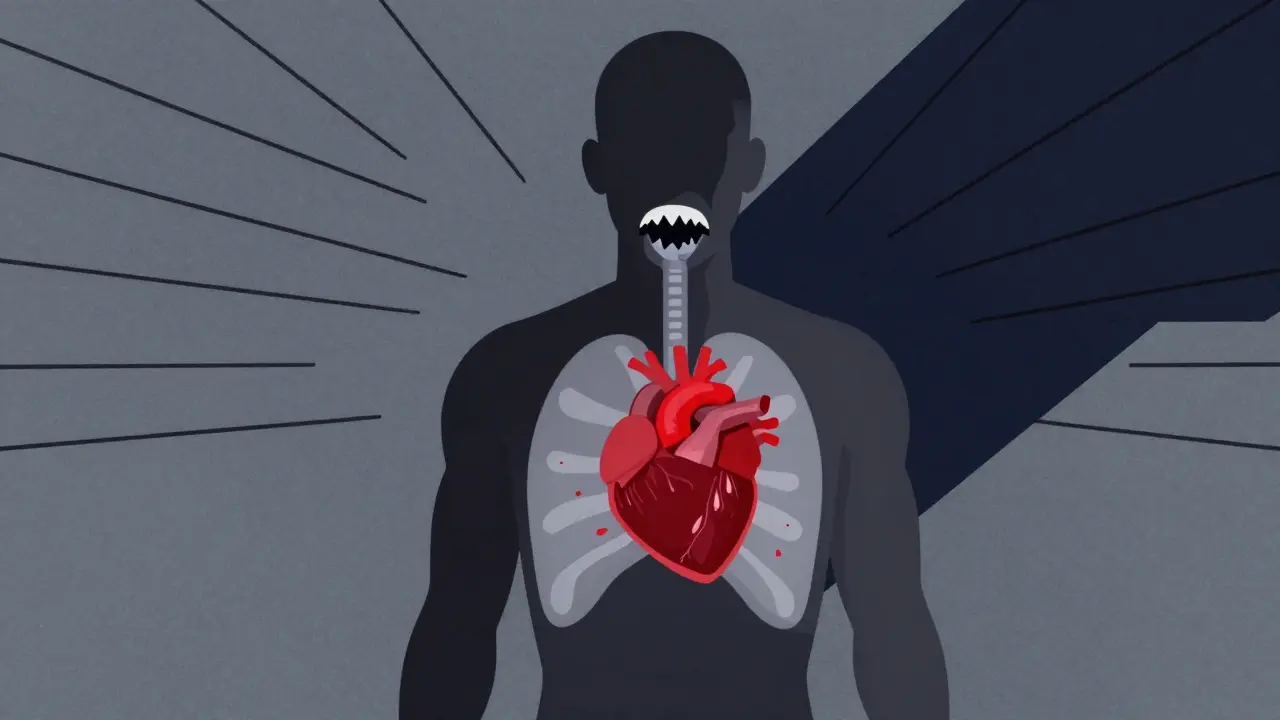
Sleep Apnea and Cardiovascular Risk: How Breathing Problems Raise Blood Pressure and Heart Disease Danger
- Dec, 20 2025
- 15
Sleep apnea isn't just about snoring-it's a major driver of high blood pressure, heart attacks, and stroke. Learn how breathing pauses during sleep damage your heart and what you can do to stop it.
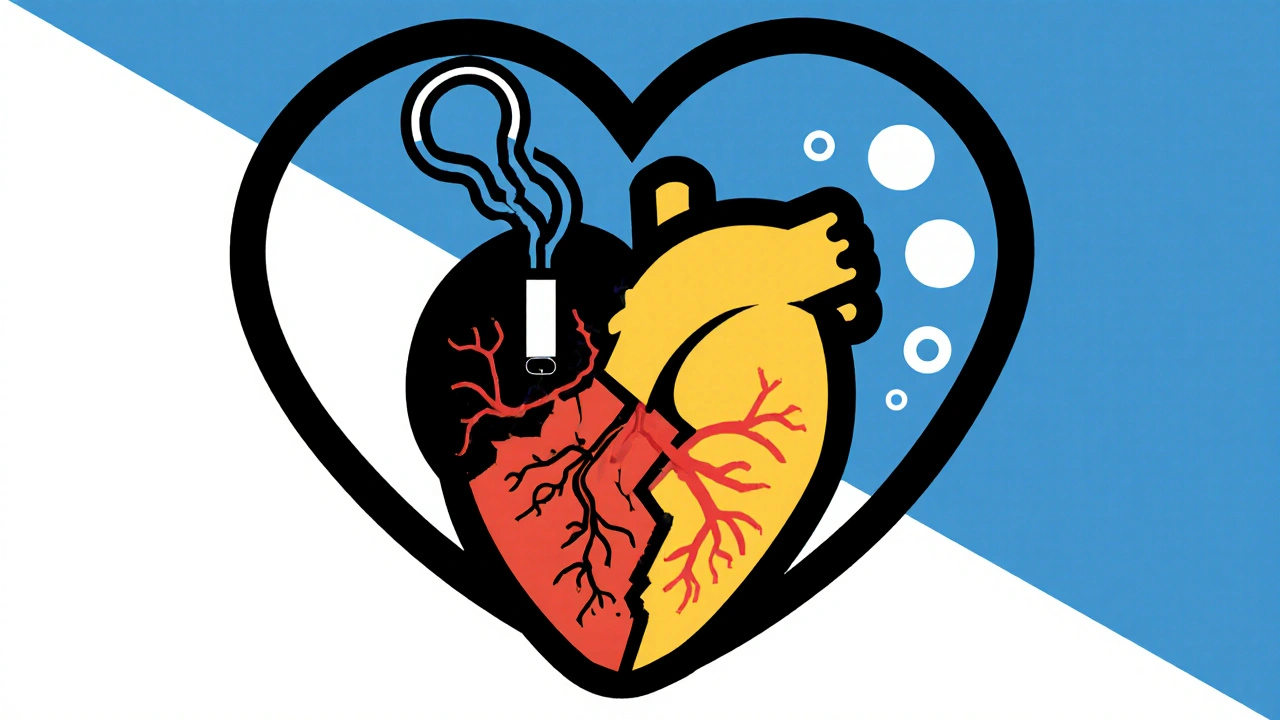
Smoking and Heart Disease: Proven Cessation Strategies That Save Lives
- Nov, 12 2025
- 12
Quitting smoking is the most effective way to reduce heart disease risk. Learn the proven strategies-medications, counseling, and timelines-that can cut your heart attack risk in half within a year.
Categories
- Health and Medicine (78)
- Health and Wellness (57)
- Medicine (37)
- Women's Health (11)
- Mental Health (10)
- Men's Health (7)
- Beauty and Wellness (4)
- Health Information (4)
Archives
- April 2026 (3)
- March 2026 (11)
- February 2026 (11)
- January 2026 (25)
- December 2025 (28)
- November 2025 (25)
- October 2025 (27)
- September 2025 (14)
- August 2025 (3)
- July 2025 (2)
- June 2025 (2)
- May 2025 (3)
- online pharmacy
- medication safety
- generic drugs
- dietary supplement
- health benefits
- dietary supplements
- prevention
- fertility
- online pharmacy Australia
- side effects
- QT prolongation
- medication side effects
- diabetes medications
- GLP-1 agonists
- nocebo effect
- brand vs generic
- treatment
- treatment options
- benefits
- connection