
Elimination Diet: What It Is and How It Helps Identify Food Triggers
When you feel off but doctors can’t find a clear cause, your body might be reacting to something you eat every day. That’s where an elimination diet, a structured way to remove and then reintroduce foods to spot triggers for symptoms like bloating, rashes, or fatigue. Also known as food elimination protocol, it’s not a weight-loss plan—it’s a diagnostic tool used by people struggling with unexplained discomfort. Unlike food allergies, which trigger immediate reactions like swelling or trouble breathing, food sensitivities sneak in. They can cause headaches, joint pain, brain fog, or skin flare-ups hours or even days after eating. An elimination diet cuts out the usual suspects—dairy, gluten, soy, eggs, nuts, shellfish, and added sugars—to give your system a reset. Then, one by one, you bring them back to see what comes back with the symptoms.
This approach connects directly to conditions like food sensitivity, a delayed immune response to certain foods that doesn’t show up on standard allergy tests, which is often confused with food allergy, a rapid, IgE-mediated reaction that can be life-threatening. While patch testing catches contact allergies to nickel or fragrance, an elimination diet finds what’s hiding in your meals. It’s the same logic: remove the trigger, watch for change, then reintroduce carefully. People with chronic digestive issues, eczema, or even migraines often find relief after identifying a hidden trigger. You don’t need a doctor to start—but tracking what you eat and how you feel is non-negotiable. The goal isn’t to avoid foods forever. It’s to find the one or two that are making you feel worse than you should.
What you’ll find in these posts isn’t just theory. Real people have used elimination diets to untangle symptoms linked to medications, breastfeeding, and autoimmune reactions. One post explains how elimination diet principles apply to managing contact allergies like nickel sensitivity. Another shows how timing meals around antibiotics can reduce yeast overgrowth, which often flares up after dietary changes. There’s even a guide on safely managing breast milk storage during temporary dietary shifts. These aren’t random. They’re all connected by the same idea: your body’s reaction to what you eat matters more than you think. Below, you’ll see real cases, practical steps, and how to avoid common mistakes that make elimination diets fail before they even begin.
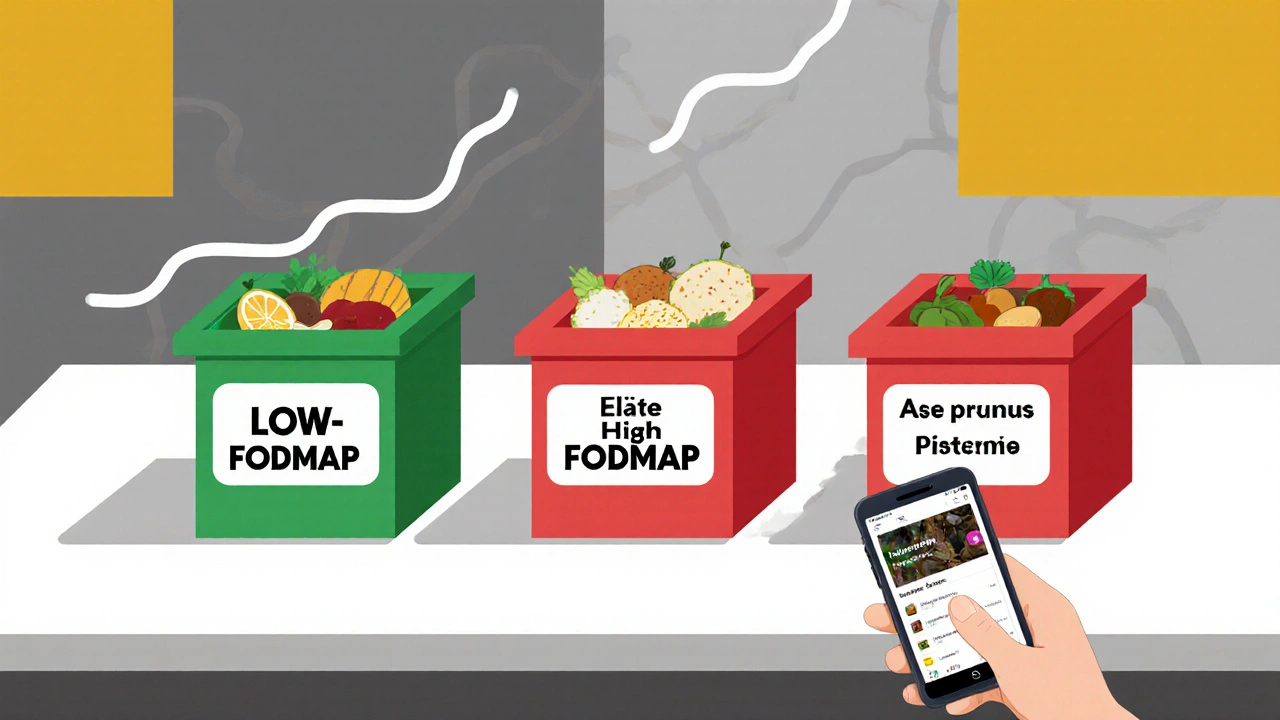
IBS Diet Guide: FODMAP, Low-Residue, and Elimination Plans Explained
- Nov, 19 2025
- 8
Learn how the low-FODMAP, low-residue, and elimination diets work for IBS. Discover which one actually works, how to do it right, and what to avoid. Evidence-based, practical, and backed by Monash University research.
Categories
- Health and Medicine (77)
- Health and Wellness (57)
- Medicine (37)
- Women's Health (11)
- Mental Health (10)
- Men's Health (7)
- Beauty and Wellness (4)
- Health Information (4)
Archives
- April 2026 (2)
- March 2026 (11)
- February 2026 (11)
- January 2026 (25)
- December 2025 (28)
- November 2025 (25)
- October 2025 (27)
- September 2025 (14)
- August 2025 (3)
- July 2025 (2)
- June 2025 (2)
- May 2025 (3)
- online pharmacy
- medication safety
- generic drugs
- dietary supplement
- health benefits
- dietary supplements
- prevention
- fertility
- online pharmacy Australia
- side effects
- QT prolongation
- medication side effects
- diabetes medications
- GLP-1 agonists
- nocebo effect
- brand vs generic
- treatment
- treatment options
- benefits
- connection