
Drug Side Effects: What They Are, Why They Happen, and How to Handle Them
When you take a medication, your body doesn’t just react to the part you want—it reacts to everything else too. Drug side effects, unintended physical or mental responses to a medication that aren’t the main therapeutic goal. Also known as adverse drug reactions, they range from mild nausea to life-threatening heart rhythms—and they’re far more common than most people realize. You might think side effects mean the drug is broken, but they’re often just the price of doing business with chemistry. Even safe, FDA-approved pills can trigger reactions because every person’s body processes drugs differently.
Drug interactions, when one medication changes how another works in your body are a major reason side effects get worse. St. John’s Wort, for example, can make birth control useless or stop antidepressants from working. Antacids can block antibiotics like doxycycline from being absorbed. And alcohol? It doesn’t just make you sleepy—it can crash your blood sugar if you’re on diabetes meds. These aren’t rare edge cases. They happen every day in kitchens, pharmacies, and doctor’s offices because people don’t know what to ask.
Side effect coping, the practical strategies people use to manage unwanted reactions without stopping their treatment is where real help lives. It’s not about ignoring symptoms. It’s about tracking them, timing doses, using probiotics after antibiotics, or learning how to read a pill label so you don’t double-dose. CBT and ACT aren’t just for anxiety—they’re tools to break the fear cycle when you start imagining every headache is a side effect. And sometimes, the best fix isn’t a new drug—it’s stopping an old one. That’s why deprescribing and pharmacist-led reviews are now key parts of geriatric care.
What you’ll find here isn’t a list of scary warnings. It’s a collection of real stories, clear science, and actionable steps from people who’ve been there. You’ll learn how to spot dangerous reactions like neuroleptic malignant syndrome before it’s an emergency. How to prevent mouth sores from chemo. Why some heart meds need an ECG before you even take the first pill. How to talk to your school nurse about your kid’s daily meds—or how to label breast milk safely when you’re on a new prescription. These aren’t theoretical guides. They’re the kind of advice you wish you’d heard before you started feeling weird after your last refill.
Drug side effects don’t have to be a guessing game. With the right info, you can take control—without giving up the meds that keep you alive.
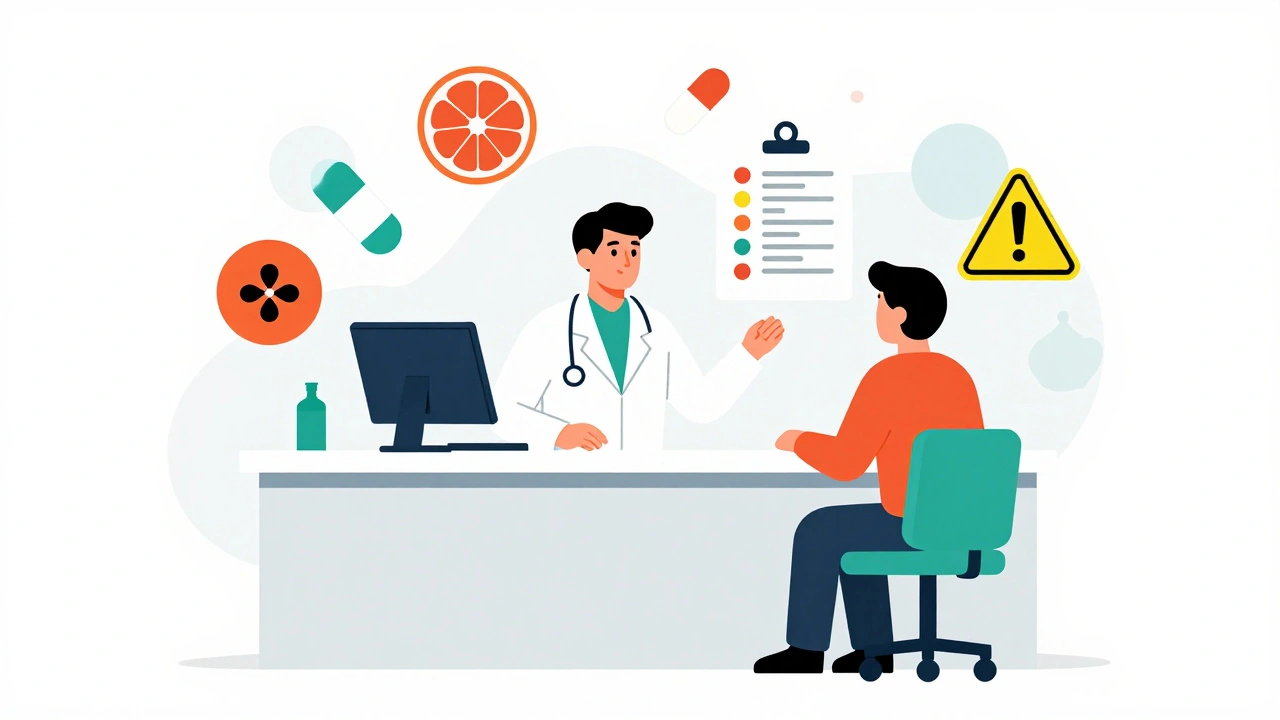
Questions to Ask Your Pharmacist About Potential Drug Interactions
- Dec, 4 2025
- 9
Learn the critical questions to ask your pharmacist about drug interactions to avoid dangerous side effects, hospital visits, and medication failures. Know what to bring and what to watch for.
Categories
- Health and Medicine (78)
- Health and Wellness (57)
- Medicine (37)
- Women's Health (11)
- Mental Health (10)
- Men's Health (7)
- Beauty and Wellness (4)
- Health Information (4)
Archives
- April 2026 (3)
- March 2026 (11)
- February 2026 (11)
- January 2026 (25)
- December 2025 (28)
- November 2025 (25)
- October 2025 (27)
- September 2025 (14)
- August 2025 (3)
- July 2025 (2)
- June 2025 (2)
- May 2025 (3)
- online pharmacy
- medication safety
- generic drugs
- dietary supplement
- health benefits
- dietary supplements
- prevention
- fertility
- online pharmacy Australia
- side effects
- QT prolongation
- medication side effects
- diabetes medications
- GLP-1 agonists
- nocebo effect
- brand vs generic
- treatment
- treatment options
- benefits
- connection