
Drug Interactions with Herbs: What You Need to Know Before Mixing Supplements and Medications
When you take drug interactions with herbs, the unintended effects that happen when prescription medications and herbal supplements affect each other in your body. Also known as herbal-drug interactions, these aren’t just theoretical—they’ve sent people to the ER for low blood pressure, skipped heart rhythms, or meds that suddenly stop working. You might think herbal remedies are safe because they’re "natural," but that’s a dangerous myth. St. John’s wort can knock out your antidepressant. Garlic supplements can turn your blood thinner into a hazard. Ginkgo biloba might make you bleed during surgery. These aren’t rare cases—they’re predictable, documented, and preventable.
Herbal supplements, plant-based products sold as vitamins or remedies, often without strict regulation. Also known as botanicals, they’re used for sleep, energy, anxiety, or joint pain—but their potency varies wildly between brands and batches. Unlike pills made in labs with exact dosages, herbs can contain different levels of active compounds depending on where they were grown, how they were dried, or what else was mixed in. That’s why your pharmacist can’t always predict how they’ll react with your blood pressure pill or diabetes med. And if you’re not telling your doctor you’re taking turmeric for inflammation or ashwagandha for stress, you’re flying blind. Medication safety, the practice of using drugs correctly to avoid harm. Also known as drug safety, it’s not just about taking the right dose—it’s about knowing what else is in your system. A 2021 study in the Journal of Clinical Pharmacology found that over 60% of adults taking prescription meds also used herbal products, and nearly half didn’t tell their doctor. That’s a gap that costs lives.
You don’t need to quit herbs cold turkey. You just need to talk to someone who knows how drugs and plants play together—your pharmacist. Bring your bottles, your teas, your powders. Ask: "Will this interfere with my metformin?" or "Could this make my blood thinner too strong?" The pharmacy advice, expert guidance on how medications and supplements interact in real-world use. Also known as medication counseling, it’s a free service most pharmacies offer—but you have to ask for it. Most people assume their doctor knows everything they take. They don’t. They’re juggling dozens of patients, charts, and guidelines. You’re the only one who knows your full routine. So speak up. Write it down. Show them the label. A simple question before you swallow that capsule could stop a hospital visit.
Below, you’ll find real stories and clear advice from people who’ve been there—how to spot hidden risks, what herbs are safest with common meds, and how to talk to your care team without sounding like you’re rejecting science. No fluff. No marketing. Just what works.
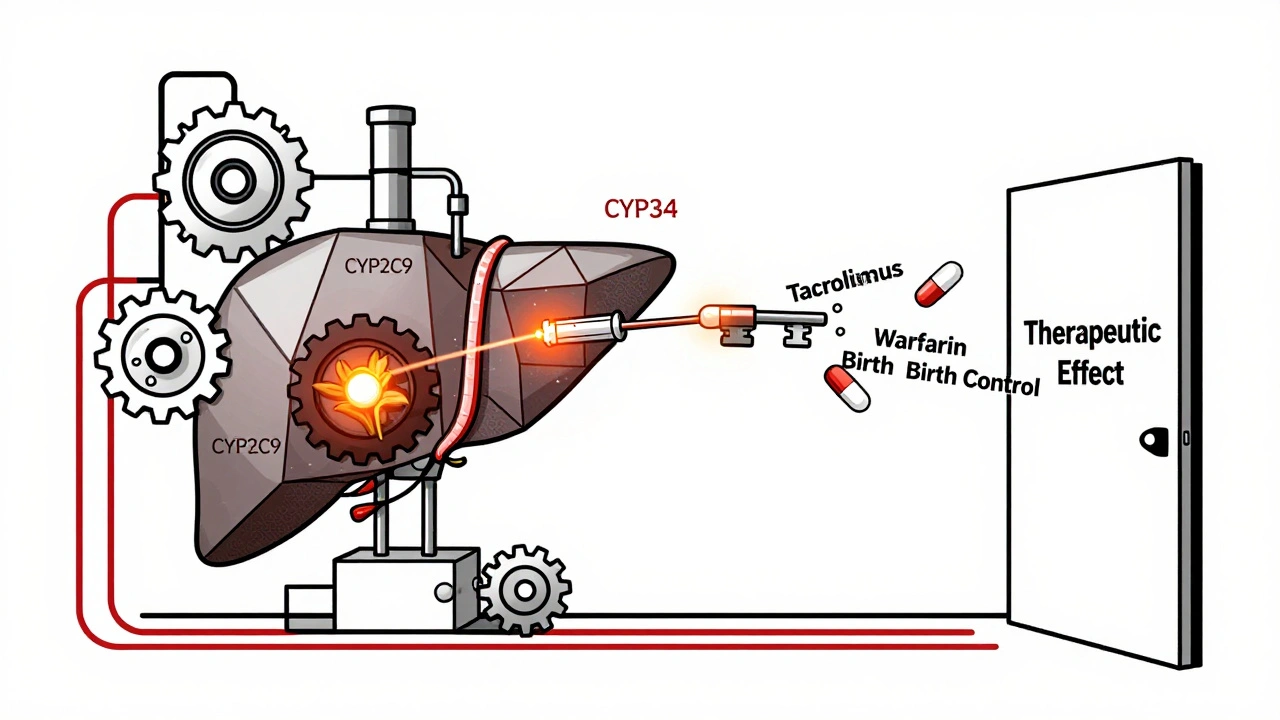
St. John’s Wort and Prescription Drugs: What You Need to Know About Dangerous Interactions
- Dec, 4 2025
- 8
St. John's Wort may help with mild depression, but it can dangerously reduce the effectiveness of birth control, antidepressants, transplant drugs, and more. Learn which medications it interacts with and what to do if you're taking both.
Categories
- Health and Medicine (76)
- Health and Wellness (57)
- Medicine (37)
- Women's Health (11)
- Mental Health (10)
- Men's Health (7)
- Beauty and Wellness (4)
- Health Information (4)
Archives
- April 2026 (1)
- March 2026 (11)
- February 2026 (11)
- January 2026 (25)
- December 2025 (28)
- November 2025 (25)
- October 2025 (27)
- September 2025 (14)
- August 2025 (3)
- July 2025 (2)
- June 2025 (2)
- May 2025 (3)
- online pharmacy
- medication safety
- generic drugs
- dietary supplement
- health benefits
- dietary supplements
- prevention
- fertility
- online pharmacy Australia
- side effects
- QT prolongation
- medication side effects
- diabetes medications
- GLP-1 agonists
- nocebo effect
- brand vs generic
- treatment
- treatment options
- benefits
- connection