
Drug-Induced Respiratory Failure: Causes, Risks, and How to Stay Safe
When a medication slows or stops your breathing, it’s not a side effect—it’s a medical emergency. Drug-induced respiratory failure, a life-threatening drop in breathing caused by medications. Also known as medication-induced respiratory depression, it happens when drugs interfere with the brain’s ability to signal the lungs to breathe. This isn’t rare. It’s behind most opioid overdose deaths, and it can also creep up with sleep aids, benzodiazepines, or even mixing painkillers with alcohol.
It’s not just about opioids. Respiratory depression, the technical term for slowed or shallow breathing from drugs shows up in unexpected places. A person taking gabapentin for nerve pain might not realize it’s making their breathing weaker when combined with an anti-anxiety pill. Elderly patients on multiple meds are especially vulnerable—polypharmacy doesn’t just mean more pills, it means more chances for one drug to knock out the body’s breathing control. Even something as simple as a strong antihistamine for allergies can become dangerous if taken with a muscle relaxant or a sedative.
What makes this so dangerous is how quietly it happens. You won’t always feel like you’re suffocating. Instead, you might just feel unusually drowsy, confused, or unable to stay awake. Loved ones often notice first—the person stops responding normally, their breathing becomes slow or irregular, or their lips turn blue. That’s not normal tiredness. That’s your body failing to get enough oxygen.
Some medications carry known risks, but many people don’t connect the dots. Opioid overdose, the most common cause of drug-induced respiratory failure is preventable—if you know the signs and know what to do. It’s not just about naloxone. It’s about understanding which combinations to avoid. A study in the New England Journal of Medicine found that nearly 30% of opioid-related deaths involved a second sedating drug, like a benzodiazepine, taken without medical supervision. That’s not an accident—it’s a gap in education.
And it’s not just about illegal drugs or high doses. Sometimes, it’s as simple as taking an extra pill because you didn’t feel relief fast enough. Or mixing a sleep aid with a nightcap. Or taking an old prescription you found in the cabinet. These aren’t reckless choices—they’re mistakes made by people who trusted their meds to be safe.
The good news? You can protect yourself. Know your meds. Ask your pharmacist about interactions—especially if you’re on more than three drugs. Track your sleepiness. If you’re nodding off more than usual, or your breathing feels shallow, don’t brush it off. That’s your body warning you. And if you’re caring for someone on opioids or sedatives, learn how to recognize the early signs. It could save their life.
Below, you’ll find real, practical guides on how medications affect breathing, how to spot dangerous interactions, and what to do when things go wrong. No fluff. No theory. Just what you need to know to stay safe—with the meds you’re already taking.
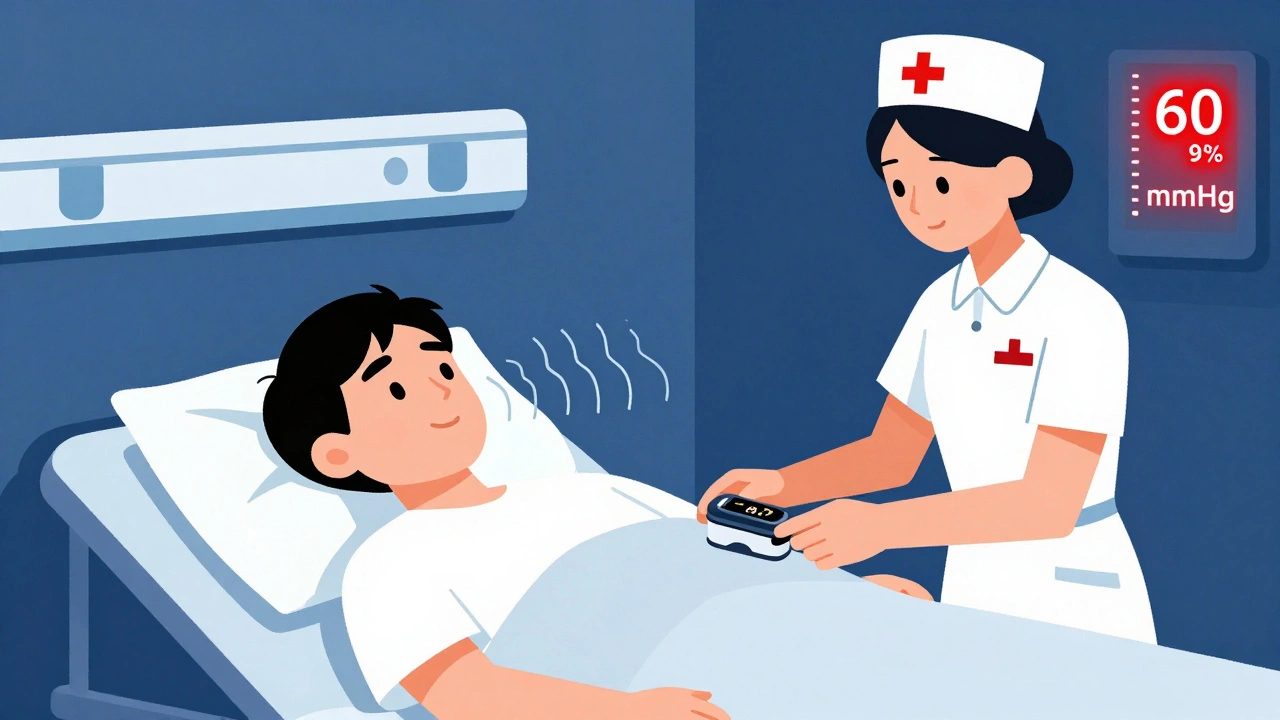
Respiratory Depression from Opioids and Other Medications: Critical Signs You Can't Ignore
- Dec, 9 2025
- 8
Respiratory depression from opioids and other sedatives is a silent, preventable killer. Learn the critical signs - beyond slow breathing - that can save a life. Know who’s at risk, what works, and how to act before it’s too late.
Categories
- Health and Medicine (68)
- Health and Wellness (57)
- Medicine (37)
- Women's Health (11)
- Mental Health (10)
- Men's Health (7)
- Beauty and Wellness (4)
- Health Information (4)
Archives
- March 2026 (4)
- February 2026 (11)
- January 2026 (25)
- December 2025 (28)
- November 2025 (25)
- October 2025 (27)
- September 2025 (14)
- August 2025 (3)
- July 2025 (2)
- June 2025 (2)
- May 2025 (3)
- April 2025 (4)
- online pharmacy
- medication safety
- dietary supplement
- health benefits
- dietary supplements
- generic drugs
- prevention
- fertility
- online pharmacy Australia
- side effects
- QT prolongation
- medication side effects
- diabetes medications
- GLP-1 agonists
- nocebo effect
- brand vs generic
- treatment
- treatment options
- benefits
- connection