
Doxycycline and Antacids: What You Need to Know About This Common Drug Interaction
When you take doxycycline, a broad-spectrum antibiotic used for acne, respiratory infections, and Lyme disease, it needs to be absorbed properly to work. But if you also take antacids, medications like Tums, Rolaids, or Mylanta that neutralize stomach acid, you might as well be throwing your antibiotic away. The calcium, magnesium, aluminum, or iron in these products binds to doxycycline in your gut, stopping it from entering your bloodstream. This isn’t a minor issue—it’s a well-documented interaction that can turn a 10-day course into a wasted one.
It’s not just antacids. calcium supplements, often taken for bone health, especially by older adults, and even iron pills, common in women or people with anemia do the same thing. You won’t feel the problem right away. No stomach ache, no dizziness. But the infection doesn’t get better. That’s why timing matters more than you think. Taking doxycycline two hours before or four hours after any of these products lets your body absorb the antibiotic properly. It’s not complicated—it’s just easy to forget when you’re juggling pills.
Some people think switching to a different antibiotic solves it, but that’s not always the case. Doxycycline is often chosen because it’s cheap, effective, and works for multiple conditions. If you’re on a long-term course for acne or rosacea, you’re likely taking it daily. That means you’re probably also taking vitamins or heartburn meds. The real problem? Most people don’t know this interaction exists. Pharmacists flag it, but if you’re buying antacids over the counter, no one asks. And if you’re a senior managing five different meds, this kind of clash slips through the cracks. That’s why the doxycycline and antacids issue shows up again and again in medication safety reports.
You don’t need to stop your antacids. You don’t need to quit your calcium. You just need to space them out. Keep a simple chart: take doxycycline with water on an empty stomach, wait four hours, then take your antacid or supplement. If you take it at night, take it before bed, and don’t follow it with a bedtime calcium tablet. If you’re using antacids for heartburn, try raising your head while sleeping or cutting out trigger foods instead of relying on pills. Small changes make a big difference.
Below, you’ll find real-world advice from posts that tackle similar medication clashes—like how warfarin reacts with antibiotics, how calcium blocks osteoporosis drugs, and why caffeine can mess with your thyroid pills. These aren’t theoretical warnings. They’re daily mistakes people make because no one told them. This page gives you the facts so you don’t become another statistic.
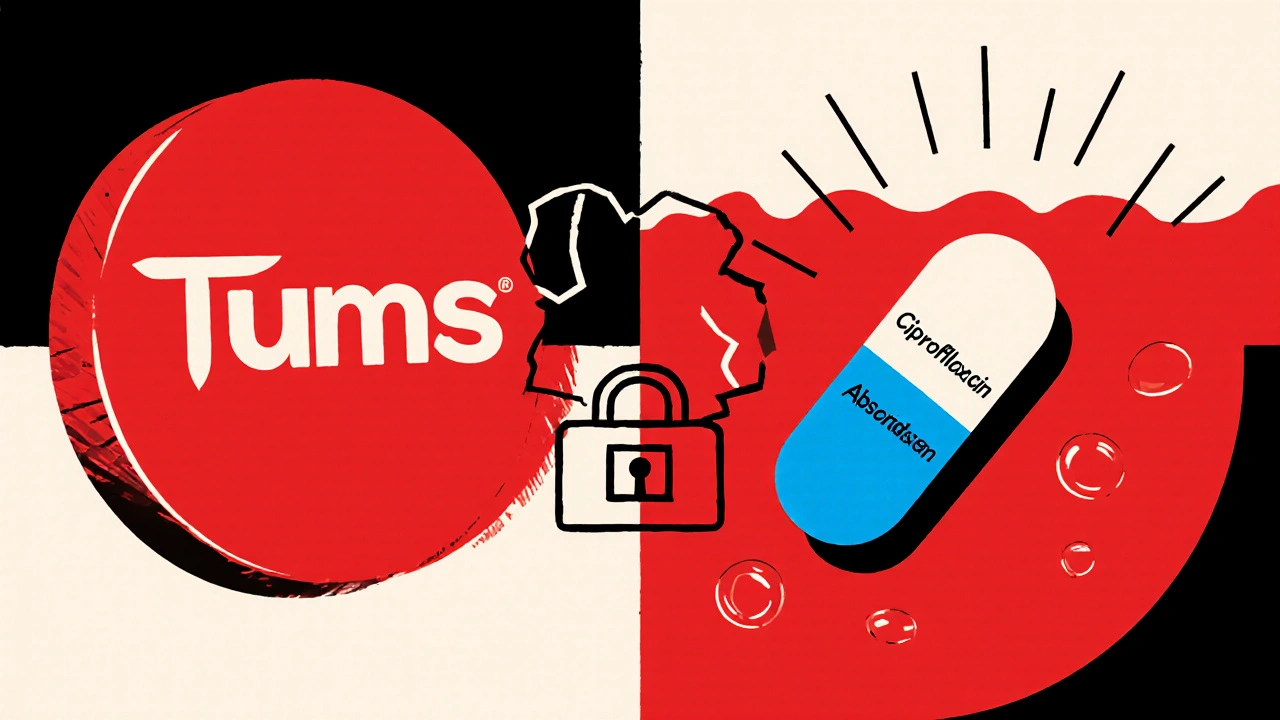
Antacids and Antibiotics: How to Time Your Doses to Avoid Treatment Failure
- Nov, 14 2025
- 15
Learn how to time your antacid and antibiotic doses to avoid treatment failure. Find out which antibiotics are most affected and how to safely manage both without risking infection.
Categories
- Health and Medicine (78)
- Health and Wellness (57)
- Medicine (37)
- Women's Health (11)
- Mental Health (10)
- Men's Health (7)
- Beauty and Wellness (4)
- Health Information (4)
Archives
- April 2026 (3)
- March 2026 (11)
- February 2026 (11)
- January 2026 (25)
- December 2025 (28)
- November 2025 (25)
- October 2025 (27)
- September 2025 (14)
- August 2025 (3)
- July 2025 (2)
- June 2025 (2)
- May 2025 (3)
- online pharmacy
- medication safety
- generic drugs
- dietary supplement
- health benefits
- dietary supplements
- prevention
- fertility
- online pharmacy Australia
- side effects
- QT prolongation
- medication side effects
- diabetes medications
- GLP-1 agonists
- nocebo effect
- brand vs generic
- treatment
- treatment options
- benefits
- connection