
Dosing Errors: How Wrong Medication Amounts Harm Patients and How to Prevent Them
When you take a pill, you expect it to work—not hurt you. But dosing errors, mistakes in how much or how often a medication is given happen more often than you think. A single wrong dose of insulin can drop blood sugar to dangerous levels. A missed timing window for bisphosphonates can make them 90% less effective. These aren’t rare accidents—they’re preventable failures that show up in ERs, nursing homes, and even school clinics every day.
Dosing errors don’t just happen because someone misread a label. They come from how drugs interact, how aging bodies process medicine, and how systems fail to catch mistakes. Take hypoglycemia, dangerously low blood sugar caused by incorrect diabetes medication doses. It’s not just about taking too much insulin—it’s about drinking alcohol with sulfonylureas, or giving a senior glyburide when their kidneys can’t clear it. Or consider antibiotic interactions, when antacids block absorption of drugs like doxycycline or ciprofloxacin. If you take Tums an hour before your antibiotic, you might as well not have taken it at all. And in older adults, geriatric medication safety, the practice of avoiding harmful drugs in seniors isn’t optional—it’s life-saving. The Beers Criteria exists because some common prescriptions, like benzodiazepines or certain antihistamines, are just too risky for elderly patients.
These aren’t abstract risks. They’re real, documented, and often tied to the same patterns you’ll see in the posts below: a school nurse double-checking the Five Rights before giving a child’s medication, a pharmacist catching a warfarin-antibiotic clash, a patient forgetting to space calcium from their osteoporosis pill. Dosing errors don’t always come from carelessness. Sometimes they come from confusion—between brand and generic, between timing rules, between what a doctor said and what the label says. The good news? Every one of these mistakes has a fix. It’s not about being perfect. It’s about knowing where the traps are and how to avoid them.
Below, you’ll find real stories from real patients and providers—how a simple delay in fever reducers after vaccines can make a difference, why mupirocin resistance spreads when people use it too long, and how ECGs can catch deadly heart rhythm changes before they start. These aren’t theory pieces. They’re checklists, warnings, and step-by-step guides written by people who’ve seen what happens when doses go wrong—and how to make sure they don’t again.
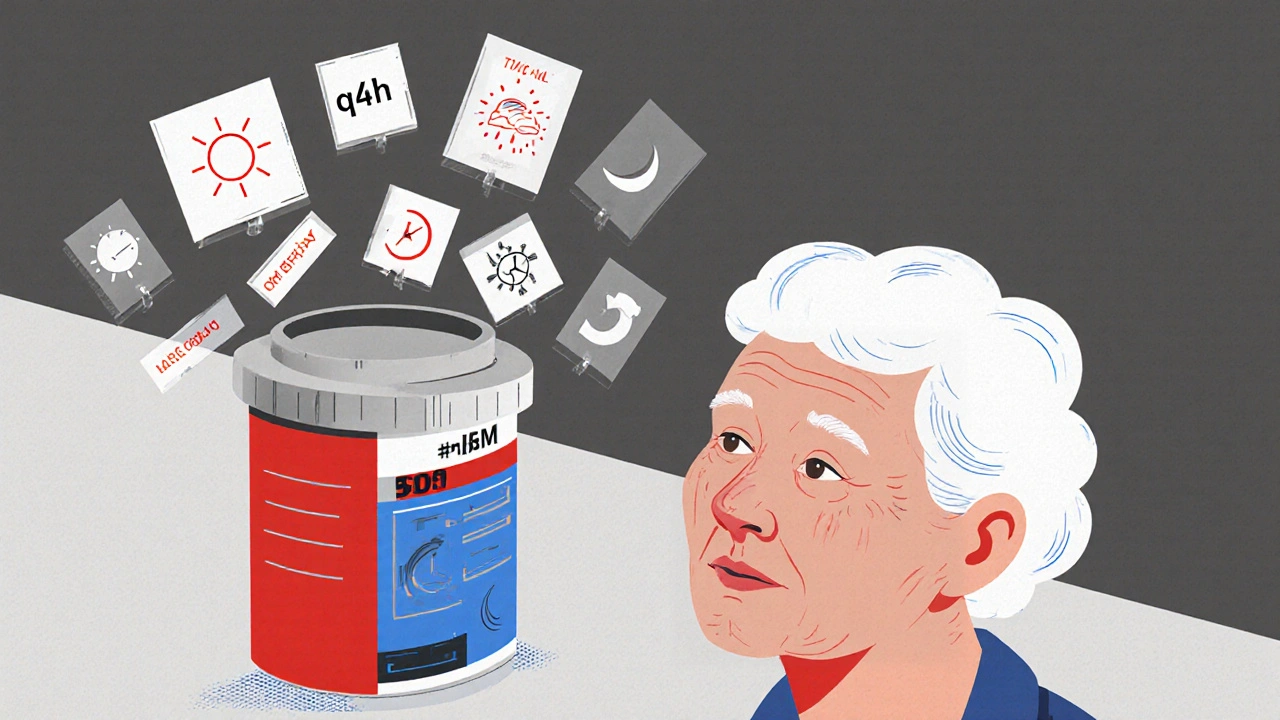
Health Literacy Strategies: How to Read Medication Labels and Avoid Dosing Mistakes
- Nov, 28 2025
- 9
Learn how to read medication labels correctly, avoid dangerous dosing mistakes, and use proven health literacy strategies like the Universal Medication Schedule and pictograms to stay safe with your medicines.
Categories
- Health and Medicine (76)
- Health and Wellness (57)
- Medicine (37)
- Women's Health (11)
- Mental Health (10)
- Men's Health (7)
- Beauty and Wellness (4)
- Health Information (4)
Archives
- April 2026 (1)
- March 2026 (11)
- February 2026 (11)
- January 2026 (25)
- December 2025 (28)
- November 2025 (25)
- October 2025 (27)
- September 2025 (14)
- August 2025 (3)
- July 2025 (2)
- June 2025 (2)
- May 2025 (3)
- online pharmacy
- medication safety
- generic drugs
- dietary supplement
- health benefits
- dietary supplements
- prevention
- fertility
- online pharmacy Australia
- side effects
- QT prolongation
- medication side effects
- diabetes medications
- GLP-1 agonists
- nocebo effect
- brand vs generic
- treatment
- treatment options
- benefits
- connection