
Daytime Sleepiness: Causes, Risks, and What You Can Do
When you can’t stay awake during the day—even after what seems like a full night’s sleep—you’re dealing with daytime sleepiness, an excessive urge to fall asleep during normal waking hours that isn’t just normal tiredness. It’s not laziness, and it’s not just coffee you need. This isn’t just about feeling sluggish. It’s a red flag that your body or brain is out of balance, and it’s often tied to something deeper.
Medication side effects, a common but overlooked cause of excessive sleepiness are behind a lot of cases. Think antihistamines, antidepressants, blood pressure drugs, even some pain meds. You might not realize your pill is making you nod off at your desk or behind the wheel. And it’s not just about what you’re taking—it’s what you’re not sleeping through. Sleep apnea, a condition where breathing stops repeatedly during sleep quietly steals rest, even if you think you slept 8 hours. You wake up exhausted because your brain never got deep, restorative sleep.
It’s also connected to fatigue, a deeper, more persistent lack of energy that doesn’t improve with rest, which can come from chronic illness, thyroid issues, or even untreated depression. These aren’t the same thing, but they often show up together. One study found that over 40% of people with untreated sleep apnea were misdiagnosed with just "being tired"—until they got a sleep test.
What makes daytime sleepiness dangerous isn’t just the annoyance. It’s the risk: slower reaction times, poor decision-making, car crashes, workplace errors. And it’s often ignored because people think, "I’m just old," or "I work too hard." But if you’re falling asleep in meetings, after lunch, or while watching TV, it’s not normal.
The posts below cover exactly what you need to know: how certain drugs make you drowsy, how to spot sleep disorders hiding in plain sight, and what to ask your doctor when tiredness won’t go away. You’ll find real advice on managing side effects, understanding sleep tests, and breaking the cycle of constant fatigue—without guesswork or fluff.
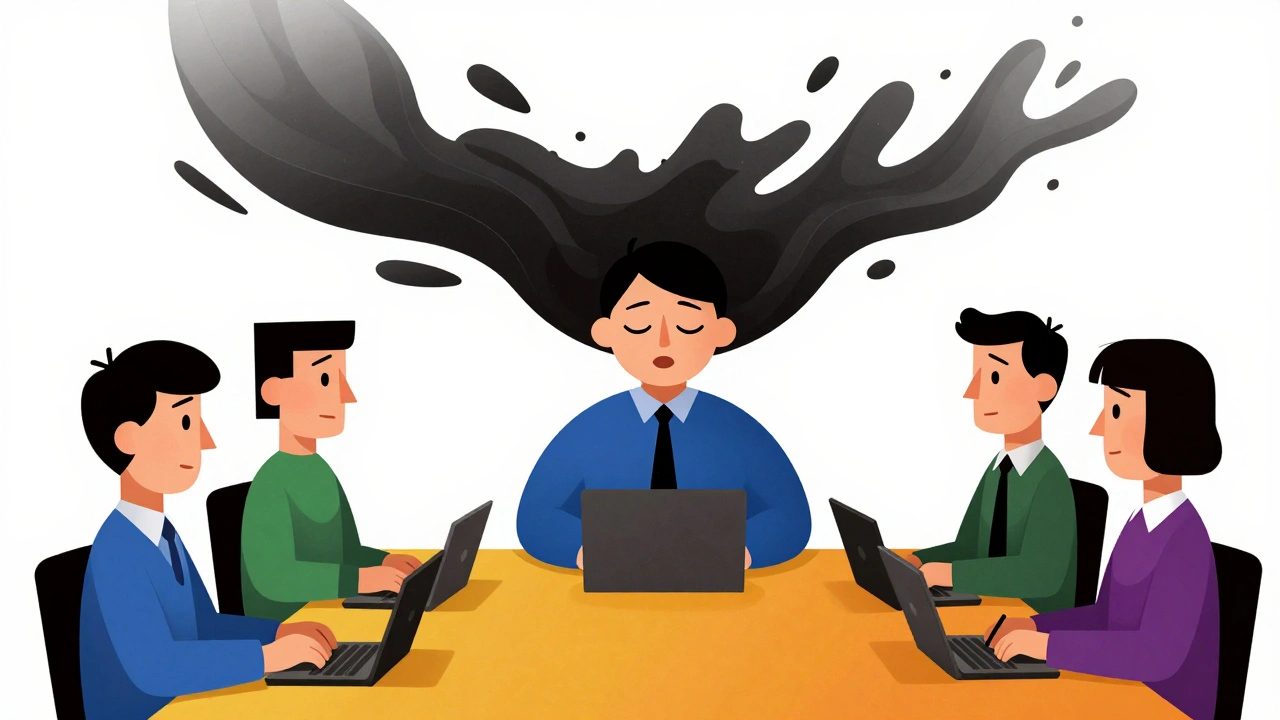
Narcolepsy: Understanding Daytime Sleepiness and Stimulant Treatment Options
- Dec, 7 2025
- 12
Narcolepsy causes uncontrollable daytime sleepiness and sudden muscle weakness. Stimulants like modafinil and armodafinil are first-line treatments to improve alertness, but newer options and lifestyle strategies also play key roles in managing this lifelong neurological disorder.
Categories
- Health and Medicine (76)
- Health and Wellness (57)
- Medicine (37)
- Women's Health (11)
- Mental Health (10)
- Men's Health (7)
- Beauty and Wellness (4)
- Health Information (4)
Archives
- April 2026 (1)
- March 2026 (11)
- February 2026 (11)
- January 2026 (25)
- December 2025 (28)
- November 2025 (25)
- October 2025 (27)
- September 2025 (14)
- August 2025 (3)
- July 2025 (2)
- June 2025 (2)
- May 2025 (3)
- online pharmacy
- medication safety
- generic drugs
- dietary supplement
- health benefits
- dietary supplements
- prevention
- fertility
- online pharmacy Australia
- side effects
- QT prolongation
- medication side effects
- diabetes medications
- GLP-1 agonists
- nocebo effect
- brand vs generic
- treatment
- treatment options
- benefits
- connection