
CNS Depressant Risks: What You Need to Know About Sedatives and Overdose Dangers
When your brain’s natural alertness gets turned down too far, you’re dealing with CNS depressants, a class of drugs that slow down brain activity to reduce anxiety, induce sleep, or relax muscles. Also known as central nervous system suppressants, these include prescription sedatives like benzodiazepines, barbiturates, sleep aids, and even alcohol when used in excess. They work—but they can kill if misused. The biggest danger isn’t taking one pill as directed. It’s stacking them—mixing with alcohol, opioids, or other depressants—and not realizing how little it takes to stop breathing.
Benzodiazepines, like Xanax or Valium, are commonly prescribed for anxiety and insomnia. But they’re also among the most misused. Taking them long-term changes your brain’s chemistry, making withdrawal dangerous—seizures, hallucinations, even death can happen if you quit cold turkey. And if you’re on these and drink even one beer, your body’s ability to process both drops fast. The same goes for opioids like oxycodone or sleep meds like Ambien. These aren’t just side effects; they’re life-threatening combinations that send tens of thousands to the ER every year. Then there’s the silent risk: tolerance. You start needing more to feel the same effect. That’s not strength—it’s a warning sign your body is tipping toward overdose. People don’t always realize they’re in danger until it’s too late.
What makes this even trickier is that many don’t see these drugs as risky. They’re legal. They’re prescribed. They’re in medicine cabinets. But the line between help and harm is thin. A 2021 CDC report found that nearly 70% of drug overdose deaths involved a CNS depressant—often mixed with other substances. You don’t need to be a drug user to be at risk. You just need to be taking one of these meds and not knowing how it interacts with what else you’re using.
This collection of articles dives into the real-world consequences and hidden dangers of these drugs. You’ll find guides on how alcohol clashes with diabetes meds, why mixing antacids with antibiotics can fail treatment, and how elderly patients are especially vulnerable to harmful interactions. You’ll learn about the silent risks of long-term use, how to talk to your pharmacist about safety, and what to watch for when someone’s on multiple prescriptions. These aren’t theoretical warnings. They’re stories from people who thought they were being careful—and ended up in crisis.
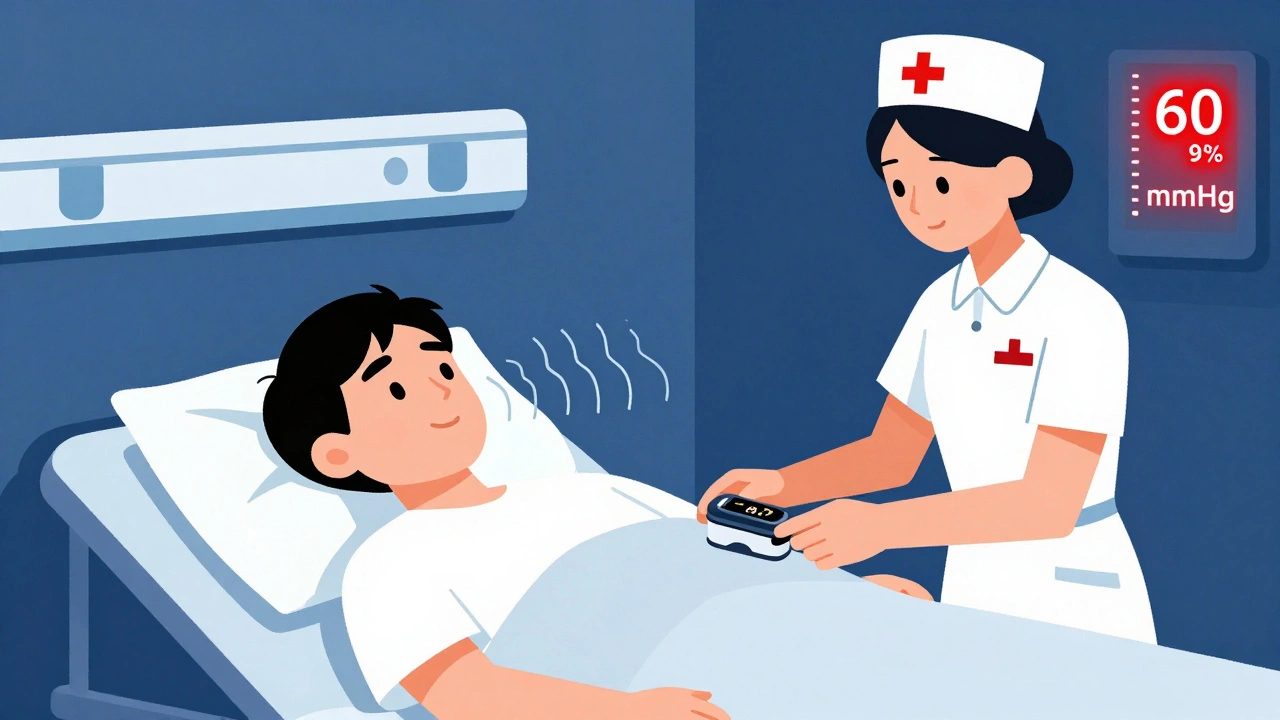
Respiratory Depression from Opioids and Other Medications: Critical Signs You Can't Ignore
- Dec, 9 2025
- 8
Respiratory depression from opioids and other sedatives is a silent, preventable killer. Learn the critical signs - beyond slow breathing - that can save a life. Know who’s at risk, what works, and how to act before it’s too late.
Categories
- Health and Medicine (76)
- Health and Wellness (57)
- Medicine (37)
- Women's Health (11)
- Mental Health (10)
- Men's Health (7)
- Beauty and Wellness (4)
- Health Information (4)
Archives
- April 2026 (1)
- March 2026 (11)
- February 2026 (11)
- January 2026 (25)
- December 2025 (28)
- November 2025 (25)
- October 2025 (27)
- September 2025 (14)
- August 2025 (3)
- July 2025 (2)
- June 2025 (2)
- May 2025 (3)
- online pharmacy
- medication safety
- generic drugs
- dietary supplement
- health benefits
- dietary supplements
- prevention
- fertility
- online pharmacy Australia
- side effects
- QT prolongation
- medication side effects
- diabetes medications
- GLP-1 agonists
- nocebo effect
- brand vs generic
- treatment
- treatment options
- benefits
- connection