
CBT for Medication Anxiety: How Therapy Helps You Take Pills Without Fear
When taking a pill feels like facing a threat, you’re not alone. CBT for medication anxiety, a structured form of therapy that rewires how your brain reacts to fear of medicines. Also known as cognitive behavioral therapy, it’s not about ignoring your worries—it’s about learning how to respond to them so they don’t control your health. This isn’t just for people who panic at the sight of a pill bottle. It’s for anyone who avoids their blood pressure meds because they fear dizziness, skips insulin because they dread needles, or skips antidepressants after reading scary side effects online. The fear isn’t irrational—it’s learned. And learned fears can be unlearned.
Medication anxiety often ties into deeper patterns: fear of losing control, past bad reactions, or trauma from medical procedures. Cognitive behavioral therapy, a practical, evidence-based approach that targets thought patterns and behaviors works by helping you spot the thoughts that trigger panic—like "This pill will make me sick"—and replace them with facts. You don’t just talk about fear; you practice facing it. Maybe that means holding your pill for 60 seconds without swallowing, then tasting it, then taking it with water. Each small step rewires your nervous system. Therapists use exposure techniques, breathing drills, and thought records—tools proven in studies to reduce avoidance by up to 70% in people with drug-related anxiety.
It also connects to how you understand your meds. If you’ve ever read a drug label and felt overwhelmed by side effects, you know how easily fear spreads. That’s why medication anxiety, the persistent fear of taking prescribed drugs due to perceived risks or past negative experiences often grows when people lack clear, simple info. That’s where posts like "How to Read Medication Labels and Avoid Dosing Mistakes" and "Questions to Ask Your Pharmacist About Potential Drug Interactions" come in. They cut through the noise. When you know exactly what a drug does—and what it doesn’t do—your brain stops imagining the worst.
And it’s not just about the pill. It’s about trust. Trust in your doctor. Trust in your body. Trust that you can handle discomfort. CBT doesn’t promise zero fear—it promises you’ll have tools to move forward even when you’re scared. People who finish therapy don’t always love taking their meds. But they stop letting fear decide whether they live well or not.
Below, you’ll find real, practical guides that tackle the exact issues feeding medication anxiety: how drugs interact, how to spot real risks vs. exaggerated ones, how to talk to your pharmacist, and how to manage side effects without spiraling. These aren’t theory pages. They’re tools you can use today to feel more in control—one pill at a time.
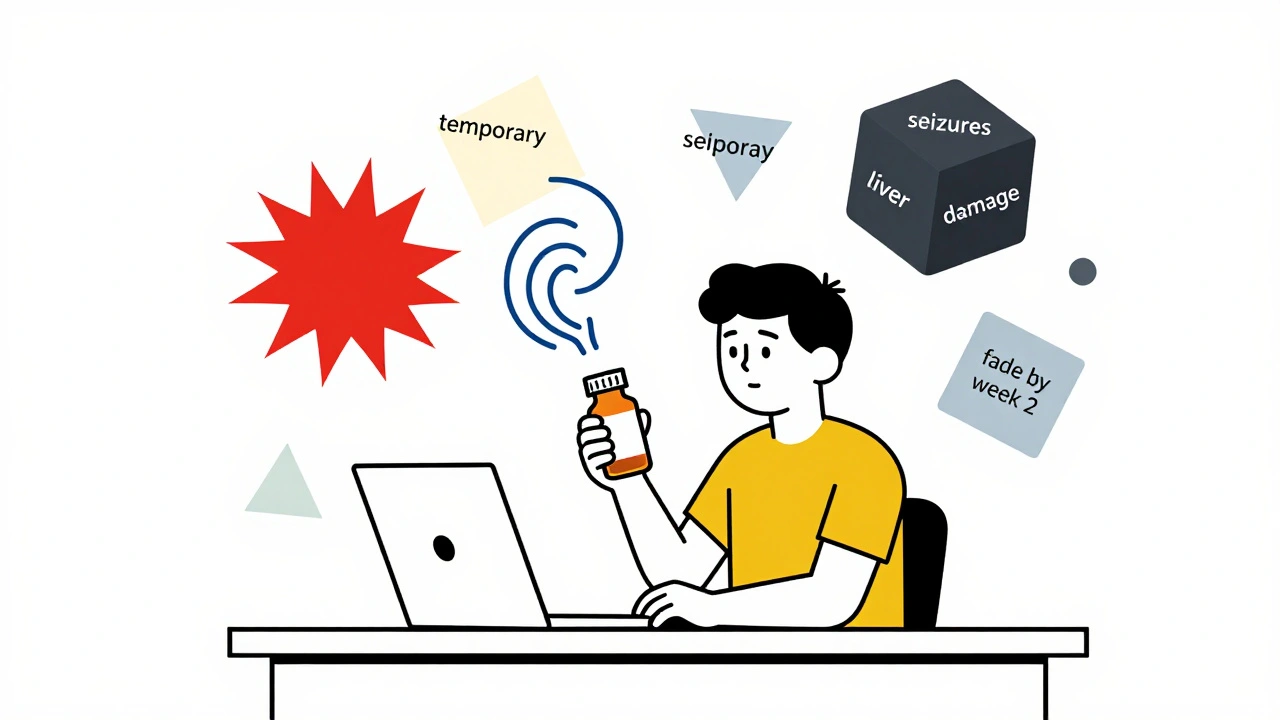
Psychological Strategies to Manage Anxiety About Medication Side Effects
- Dec, 2 2025
- 8
Learn evidence-based psychological strategies to manage anxiety about medication side effects, reduce fear, and improve adherence. Discover how CBT, ACT, and symptom tracking can help you stay on track with your treatment.
Categories
- Health and Medicine (74)
- Health and Wellness (57)
- Medicine (37)
- Women's Health (11)
- Mental Health (10)
- Men's Health (7)
- Beauty and Wellness (4)
- Health Information (4)
Archives
- March 2026 (10)
- February 2026 (11)
- January 2026 (25)
- December 2025 (28)
- November 2025 (25)
- October 2025 (27)
- September 2025 (14)
- August 2025 (3)
- July 2025 (2)
- June 2025 (2)
- May 2025 (3)
- April 2025 (4)
- online pharmacy
- medication safety
- generic drugs
- dietary supplement
- health benefits
- dietary supplements
- prevention
- fertility
- online pharmacy Australia
- side effects
- QT prolongation
- medication side effects
- diabetes medications
- GLP-1 agonists
- nocebo effect
- brand vs generic
- treatment
- treatment options
- benefits
- connection