
Calcium Supplements for Osteoporosis: What Actually Works
When it comes to calcium supplements, oral doses of calcium used to support bone density and prevent fractures. Also known as calcium citrate or calcium carbonate, these are among the most commonly taken supplements for older adults, especially those diagnosed with osteoporosis, a condition where bones become weak and brittle due to loss of tissue, often from aging or hormonal changes. But here’s the truth: taking calcium alone doesn’t fix osteoporosis. It’s like buying a tire for a car that has no engine—you need the whole system.
Calcium supplements work best when paired with vitamin D, a nutrient that helps your gut absorb calcium and directs it to your bones. Without enough vitamin D, up to 60% of the calcium you take just passes through your body. That’s why most doctors recommend 800–1,000 IU of vitamin D daily alongside 1,000–1,200 mg of calcium. But timing matters too. Taking all your calcium in one big dose? Bad idea. Your body can only absorb about 500 mg at a time. Splitting it into two doses—morning and night—doubles your absorption. And don’t forget: antacids, proton pump inhibitors, and even coffee can block calcium uptake if taken at the same time.
Not all calcium supplements are equal. Calcium carbonate needs stomach acid to work, so it’s best taken with food. Calcium citrate doesn’t—so it’s better for people on acid-reducing meds or over 65. And don’t fall for fancy forms like coral calcium or hydroxyapatite—they cost more and offer no extra benefit. Also, too much calcium (over 2,000 mg/day) can raise your risk of kidney stones or heart issues. It’s not about taking more—it’s about taking smart.
What you’ll find below are real, practical posts that cut through the noise. You’ll learn how calcium interacts with common meds, why some people still break bones even with supplements, and what other nutrients—like magnesium and vitamin K2—play a quiet but critical role. No fluff. No marketing. Just what actually helps when your bones are at risk.
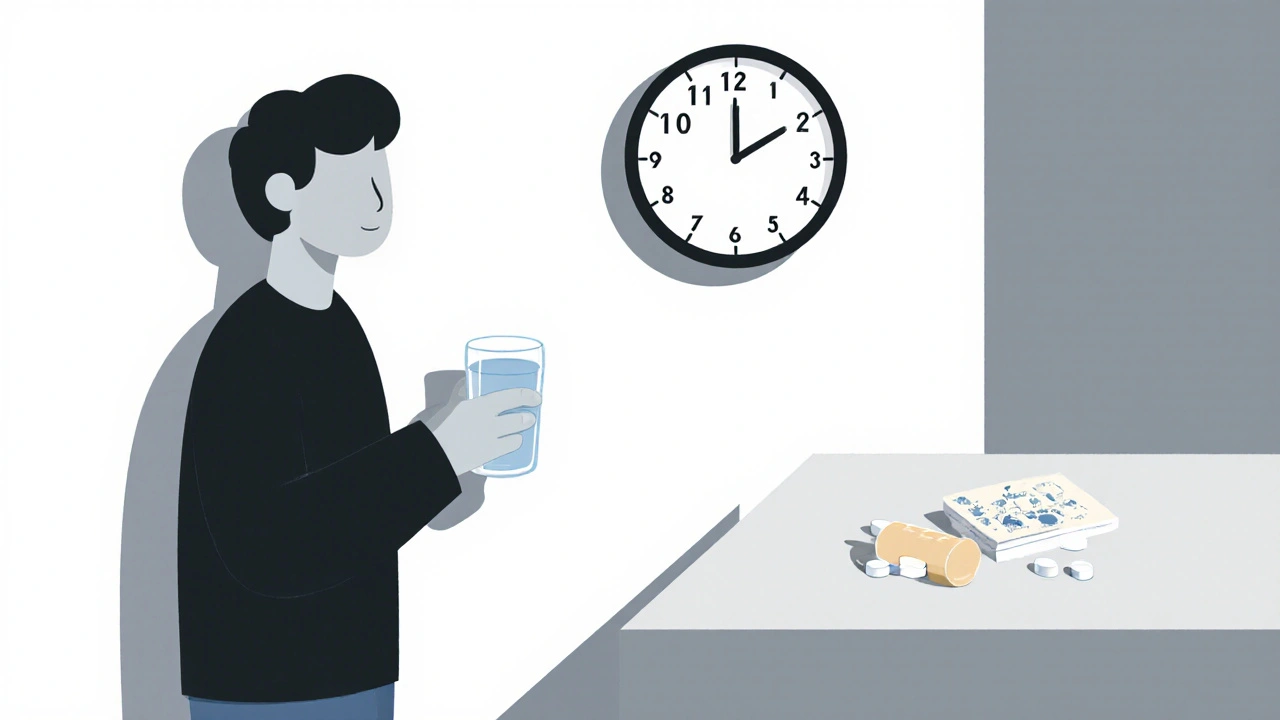
Osteoporosis Medications: How Bisphosphonates and Calcium Work Together (and When They Fight)
- Nov, 27 2025
- 10
Bisphosphonates are powerful osteoporosis drugs, but they only work if taken correctly with calcium. Learn the exact timing rules, common mistakes, and how to avoid losing up to 90% of their benefit.
Categories
- Health and Medicine (78)
- Health and Wellness (57)
- Medicine (37)
- Women's Health (11)
- Mental Health (10)
- Men's Health (7)
- Beauty and Wellness (4)
- Health Information (4)
Archives
- April 2026 (3)
- March 2026 (11)
- February 2026 (11)
- January 2026 (25)
- December 2025 (28)
- November 2025 (25)
- October 2025 (27)
- September 2025 (14)
- August 2025 (3)
- July 2025 (2)
- June 2025 (2)
- May 2025 (3)
- online pharmacy
- medication safety
- generic drugs
- dietary supplement
- health benefits
- dietary supplements
- prevention
- fertility
- online pharmacy Australia
- side effects
- QT prolongation
- medication side effects
- diabetes medications
- GLP-1 agonists
- nocebo effect
- brand vs generic
- treatment
- treatment options
- benefits
- connection