
Bisphosphonate Calcium Interaction: What You Need to Know
When you take bisphosphonates, a class of drugs used to treat osteoporosis and other bone diseases by slowing bone breakdown. Also known as bone resorption inhibitors, they work best when your body can absorb them properly—but calcium can get in the way. If you take calcium supplements, antacids, or even dairy right before or after your bisphosphonate pill, your body might not absorb the drug at all. That’s not just a minor issue—it means your treatment could fail, and your bones keep weakening.
This isn’t just about popping pills. The calcium supplements, commonly taken to support bone strength, especially in older adults and postmenopausal women are often the main culprit. So are antacids, like Tums or Rolaids, which contain calcium, magnesium, or aluminum. These substances bind to bisphosphonates in your gut, turning them into useless clumps your body can’t use. Even your morning glass of milk can interfere if you drink it too close to your dose. The fix? Wait at least 30 to 60 minutes after taking your bisphosphonate before eating, drinking anything besides water, or taking any supplement. And never take your pill lying down—stay upright for a full hour to avoid stomach damage and help the drug reach your bones.
The real problem? Most people don’t know this. They take their osteoporosis pill with breakfast, then grab their calcium gummy. Or they pop an antacid for heartburn right after. That’s not just ineffective—it’s dangerous. Over time, poor timing means your bones keep breaking down faster than they rebuild, raising your risk of fractures. And because bisphosphonates stay in your bones for years, missing a dose or messing up absorption doesn’t just hurt today—it can hurt you for years.
What’s more, this interaction doesn’t just affect one drug. Alendronate, risedronate, ibandronate, zoledronic acid—all of them play by the same rules. And if you’re on multiple meds for other conditions, like blood pressure or diabetes, the chances of accidental interference go up. That’s why pharmacists now routinely ask patients on bisphosphonates: "When do you take your calcium?" It’s a simple question, but it can mean the difference between strong bones and a broken hip.
Below, you’ll find real-world advice from people who’ve been there—how to time doses, what supplements to avoid, how to talk to your doctor about alternatives, and what to do if you’ve been taking them together for months. No fluff. No jargon. Just what works.
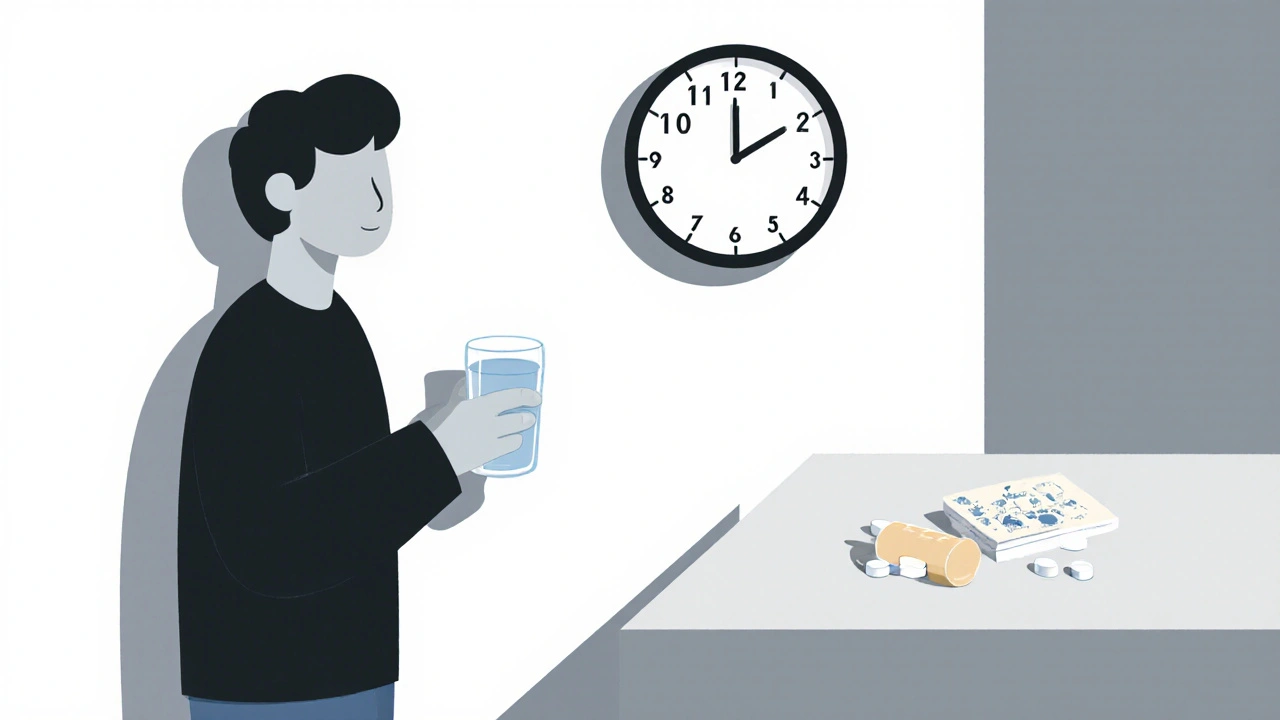
Osteoporosis Medications: How Bisphosphonates and Calcium Work Together (and When They Fight)
- Nov, 27 2025
- 10
Bisphosphonates are powerful osteoporosis drugs, but they only work if taken correctly with calcium. Learn the exact timing rules, common mistakes, and how to avoid losing up to 90% of their benefit.
Categories
- Health and Medicine (78)
- Health and Wellness (57)
- Medicine (37)
- Women's Health (11)
- Mental Health (10)
- Men's Health (7)
- Beauty and Wellness (4)
- Health Information (4)
Archives
- April 2026 (3)
- March 2026 (11)
- February 2026 (11)
- January 2026 (25)
- December 2025 (28)
- November 2025 (25)
- October 2025 (27)
- September 2025 (14)
- August 2025 (3)
- July 2025 (2)
- June 2025 (2)
- May 2025 (3)
- online pharmacy
- medication safety
- generic drugs
- dietary supplement
- health benefits
- dietary supplements
- prevention
- fertility
- online pharmacy Australia
- side effects
- QT prolongation
- medication side effects
- diabetes medications
- GLP-1 agonists
- nocebo effect
- brand vs generic
- treatment
- treatment options
- benefits
- connection