
Auditory Processing Support: Help for Hearing, Understanding, and Managing Sound Sensitivity
When someone speaks clearly but you still miss half of what they say, it’s not your hearing—it’s your brain. auditory processing support, a set of strategies and interventions designed to help the brain interpret sound signals more accurately. Also known as auditory processing disorder, it’s not deafness, but a disconnect between what the ears pick up and what the brain understands. People with this issue hear fine in quiet rooms but get lost in cafés, classrooms, or group chats. It’s not laziness. It’s not inattention. It’s a neurological hiccup that affects how sound is processed, especially when there’s background noise.
This isn’t rare. Up to 7% of children and many adults—especially those with ADHD, autism, or a history of ear infections—struggle with it. And while it’s often overlooked, auditory processing strategies, practical tools like noise-reducing headphones, visual cues, and speech-to-text apps can make a huge difference. sound sensitivity, a related issue where everyday noises feel painfully loud or distracting often shows up alongside it. Both are managed not with pills, but with behavioral tweaks, environmental changes, and sometimes targeted therapy. You won’t find a magic cure, but you can train your brain to filter, focus, and follow better.
The posts below aren’t about hearing aids or ear drops. They’re about the real-world fixes that actually work. You’ll find advice on how to talk to your doctor about auditory processing without sounding like you’re making excuses. You’ll see how medication side effects—like those from certain antibiotics or anxiety drugs—can mimic or worsen processing issues. There’s guidance on using visual schedules to compensate for missed spoken instructions, how to reduce cognitive overload when listening, and even how to explain this to teachers or coworkers without getting dismissed. You’ll learn why some people need quiet rooms to focus, how to use apps to slow down speech, and what to avoid when your brain is already overloaded. This isn’t theory. It’s what people are using every day to make sense of the noise around them.
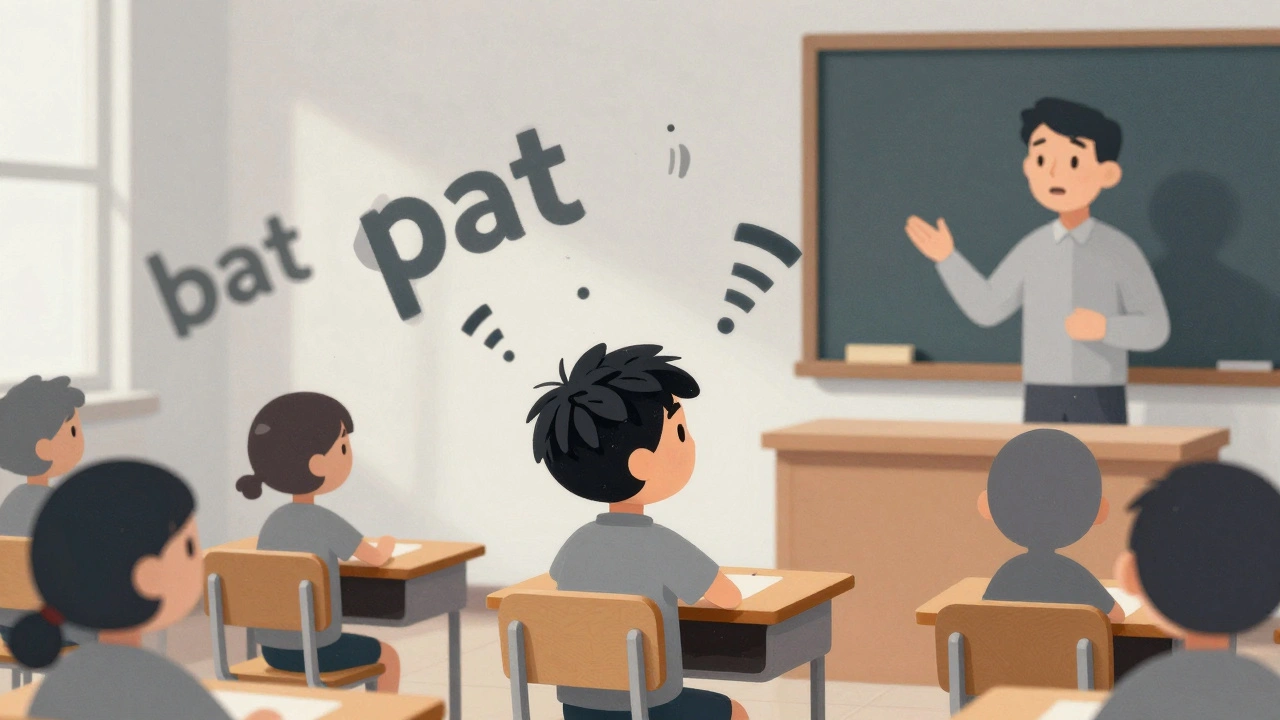
Auditory Processing Disorder: Understanding Listening Challenges and Effective Support
- Dec, 5 2025
- 11
Auditory Processing Disorder affects how the brain interprets sound, even when hearing is normal. Learn the signs, how it's different from ADHD or hearing loss, and what actually helps-classroom accommodations, therapy, and real-life strategies.
Categories
- Health and Medicine (75)
- Health and Wellness (57)
- Medicine (37)
- Women's Health (11)
- Mental Health (10)
- Men's Health (7)
- Beauty and Wellness (4)
- Health Information (4)
Archives
- March 2026 (11)
- February 2026 (11)
- January 2026 (25)
- December 2025 (28)
- November 2025 (25)
- October 2025 (27)
- September 2025 (14)
- August 2025 (3)
- July 2025 (2)
- June 2025 (2)
- May 2025 (3)
- April 2025 (4)
- online pharmacy
- medication safety
- generic drugs
- dietary supplement
- health benefits
- dietary supplements
- prevention
- fertility
- online pharmacy Australia
- side effects
- QT prolongation
- medication side effects
- diabetes medications
- GLP-1 agonists
- nocebo effect
- brand vs generic
- treatment
- treatment options
- benefits
- connection