
Armodafinil: What It Is, How It Works, and What You Need to Know
When you need to stay alert but can’t afford to crash later, armodafinil, a longer-acting prescription wakefulness agent derived from modafinil. It’s not a caffeine pill, not a classic stimulant like Adderall — it’s something in between, designed to help your brain stay focused without the jittery crash. Many people use it for shift work, narcolepsy, or even off-label to push through long workdays, but few understand how it actually works — or what it doesn’t do.
modafinil, the older version of this drug, breaks down faster in the body. Armodafinil is its more stable, longer-lasting cousin. Think of it like switching from a quick-burning candle to a slow-burning one — same light, but it lasts longer. That’s why doctors often choose armodafinil for people who need sustained alertness over 12–15 hours. It doesn’t make you hyper. It doesn’t make you feel like you’ve had ten espressos. It just makes the fog lift — quietly, steadily.
But it’s not magic. cognitive enhancers, including armodafinil, don’t boost IQ or memory on their own. They clear the mental static so your brain can work at its normal capacity. If you’re sleep-deprived, tired from a night shift, or struggling with brain fog from a sleep disorder, armodafinil can help you function. But if you’re already well-rested? You might not notice much difference. And it’s not a substitute for sleep — it’s a tool to manage the consequences of not getting enough.
People often ask how it compares to Adderall or Ritalin. The answer? Big difference. Those drugs push dopamine hard, which is why they’re more addictive and come with stronger side effects. Armodafinil works through different pathways — mainly orexin and histamine systems — which is why it’s less likely to cause anxiety, heart palpitations, or dependence. That’s why it’s prescribed more often for chronic conditions than recreational use.
Still, it’s not risk-free. Taking it with alcohol? Bad idea. Mixing it with antidepressants? Could backfire. And if you’re on birth control, you need to know: armodafinil can reduce its effectiveness. That’s not a myth — it’s in the prescribing info. The same goes for other meds like blood thinners or antifungals. Always check with your pharmacist. They’ve seen the interactions before.
And here’s something most don’t talk about: tolerance. Some users report that after months of daily use, the effect fades. Not because the drug stopped working — but because your body adapted. That’s when doctors suggest cycling it: take it for five days, skip two. Or switch to a different schedule. It’s not about addiction — it’s about smart use.
What you’ll find below are real, practical posts about how armodafinil fits into the bigger picture of medication safety, sleep disorders, and cognitive health. From how it compares to modafinil, to what happens when you take it with alcohol, to how to avoid side effects and manage expectations — we’ve got the no-fluff, evidence-backed details you won’t get from a drug ad. This isn’t about hype. It’s about knowing what you’re really taking — and why it matters.
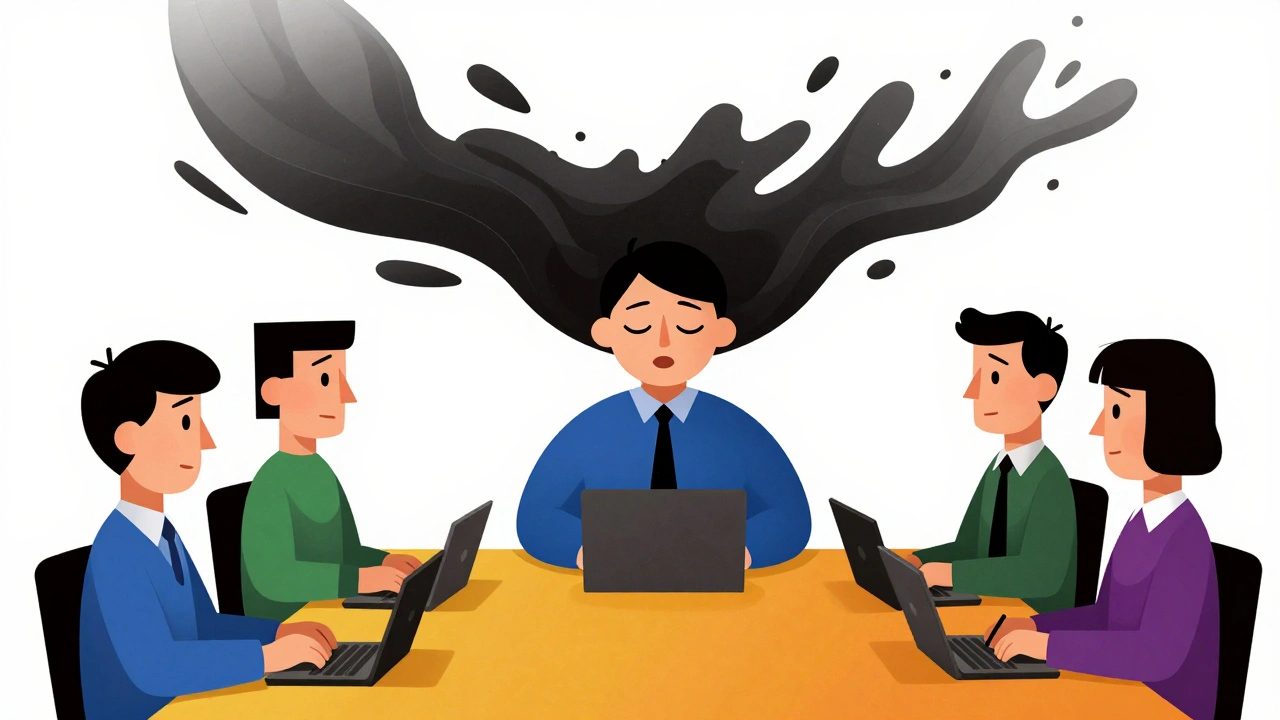
Narcolepsy: Understanding Daytime Sleepiness and Stimulant Treatment Options
- Dec, 7 2025
- 12
Narcolepsy causes uncontrollable daytime sleepiness and sudden muscle weakness. Stimulants like modafinil and armodafinil are first-line treatments to improve alertness, but newer options and lifestyle strategies also play key roles in managing this lifelong neurological disorder.
Categories
- Health and Medicine (76)
- Health and Wellness (57)
- Medicine (37)
- Women's Health (11)
- Mental Health (10)
- Men's Health (7)
- Beauty and Wellness (4)
- Health Information (4)
Archives
- April 2026 (1)
- March 2026 (11)
- February 2026 (11)
- January 2026 (25)
- December 2025 (28)
- November 2025 (25)
- October 2025 (27)
- September 2025 (14)
- August 2025 (3)
- July 2025 (2)
- June 2025 (2)
- May 2025 (3)
- online pharmacy
- medication safety
- generic drugs
- dietary supplement
- health benefits
- dietary supplements
- prevention
- fertility
- online pharmacy Australia
- side effects
- QT prolongation
- medication side effects
- diabetes medications
- GLP-1 agonists
- nocebo effect
- brand vs generic
- treatment
- treatment options
- benefits
- connection