
APD in Children: Understanding Auditory Processing Disorder and What You Can Do
When a child keeps saying "what?" even when the volume is fine, or seems to zone out during lessons, it might not be inattention—it could be APD in children, a neurological condition where the brain struggles to interpret sounds correctly, even when hearing is normal. Also known as auditory processing disorder, it’s not a hearing loss, but a mismatch between what the ears pick up and what the brain understands. Kids with APD often miss parts of conversations, mix up similar-sounding words, and get overwhelmed in noisy rooms like classrooms or cafeterias. Parents and teachers usually notice it first—when a child fails to follow multi-step instructions or seems to ignore them, but responds fine when asked one thing at a time.
APD in children doesn’t show up on standard hearing tests, which is why it’s often missed or misdiagnosed as ADHD, autism, or even laziness. But it’s a real neurological issue tied to how the brain’s auditory cortex processes speech. It can affect reading, spelling, and social skills because language development depends on clear sound processing. Auditory processing disorder, affects up to 5% of school-aged children, and while there’s no cure, targeted strategies can make a huge difference. Things like classroom accommodations, speech therapy, and noise-reducing tools help kids catch up. Some parents also use apps that slow down speech or filter background noise—tools that aren’t magic, but give the brain more time to process what it’s hearing.
It’s also important to rule out other issues. A child with APD might also have trouble with medication side effects, if they’re on stimulants or other drugs that alter brain processing, or may be reacting to environmental triggers like loud school bells or fluorescent lights. That’s why a full picture matters—pediatricians, audiologists, and speech therapists often work together to map out what’s really going on. The good news? Many kids with APD improve over time, especially with early support. The key is recognizing it early and not blaming the child for something they can’t control.
Below, you’ll find real-world advice from parents, teachers, and clinicians who’ve walked this path. From how school nurses manage daily medication routines for kids with complex needs, to understanding how brain chemistry affects learning, these posts give you practical tools—not theory. You’ll learn what works, what doesn’t, and how to advocate for your child without sounding like you’re arguing with the system.
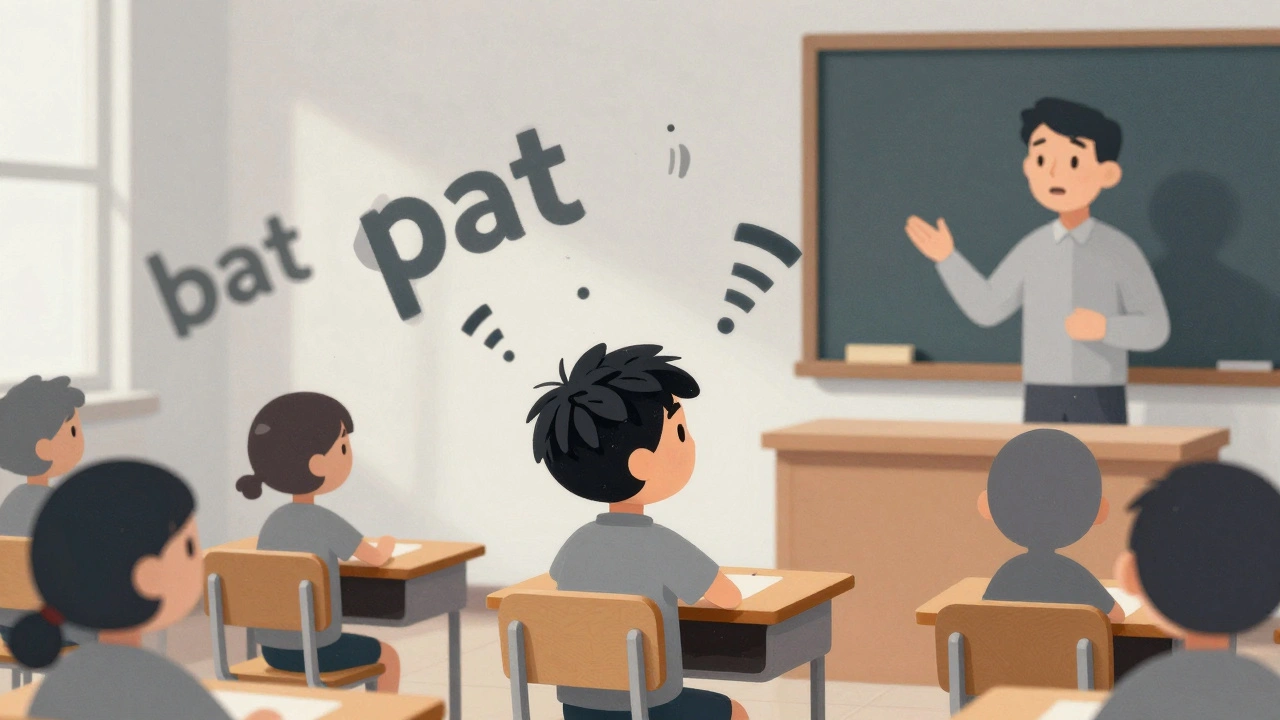
Auditory Processing Disorder: Understanding Listening Challenges and Effective Support
- Dec, 5 2025
- 11
Auditory Processing Disorder affects how the brain interprets sound, even when hearing is normal. Learn the signs, how it's different from ADHD or hearing loss, and what actually helps-classroom accommodations, therapy, and real-life strategies.
Categories
- Health and Medicine (76)
- Health and Wellness (57)
- Medicine (37)
- Women's Health (11)
- Mental Health (10)
- Men's Health (7)
- Beauty and Wellness (4)
- Health Information (4)
Archives
- April 2026 (1)
- March 2026 (11)
- February 2026 (11)
- January 2026 (25)
- December 2025 (28)
- November 2025 (25)
- October 2025 (27)
- September 2025 (14)
- August 2025 (3)
- July 2025 (2)
- June 2025 (2)
- May 2025 (3)
- online pharmacy
- medication safety
- generic drugs
- dietary supplement
- health benefits
- dietary supplements
- prevention
- fertility
- online pharmacy Australia
- side effects
- QT prolongation
- medication side effects
- diabetes medications
- GLP-1 agonists
- nocebo effect
- brand vs generic
- treatment
- treatment options
- benefits
- connection