
Antacids and Antibiotics: What You Need to Know About Interactions and Safety
When you take antacids and antibiotics, antacids are over-the-counter medicines that neutralize stomach acid, while antibiotics are drugs designed to kill or slow down bacteria causing infections. Also known as heartburn remedies, antacids help with indigestion, but they can interfere with how well your antibiotics work—if you don’t time them right. Many people pop an antacid for heartburn without realizing it might be making their antibiotic less effective, especially if they’re treating something like a stomach ulcer or H. pylori infection.
Not all antacids are the same. Some contain aluminum, magnesium, or calcium, and each of these can bind to antibiotics like tetracycline, ciprofloxacin, or doxycycline in your gut, stopping them from being absorbed. This isn’t just a minor issue—it can mean your infection doesn’t clear up, leading to longer sickness or even antibiotic resistance. On the flip side, some antibiotics like amoxicillin aren’t as affected, but you still shouldn’t guess. The same goes for proton pump inhibitors, medications like omeprazole that reduce acid production over time, often used alongside antibiotics for ulcers. They’re not antacids, but they change your stomach’s environment enough to impact how drugs behave. And if you’re on warfarin or thyroid meds, mixing these with antacids adds another layer of risk.
Timing matters more than you think. Taking an antibiotic and an antacid at the same time is a common mistake. The fix? Space them out. Most experts recommend waiting at least two hours after taking an antacid before you take your antibiotic—or vice versa. If you’re on a multi-dose antibiotic schedule, plan your antacid use around it. Don’t just reach for Tums or Rolaids because your stomach feels funny. Ask your pharmacist or doctor what works with your specific meds. Even something as simple as milk or dairy can interfere—some antibiotics shouldn’t be taken with calcium-rich foods, and antacids often contain calcium. It’s not just about the pills; it’s about what’s in your stomach when you swallow them.
And let’s not forget the bigger picture: if you’re taking antibiotics, you’re already disrupting your gut. Adding antacids into the mix can throw off your microbiome even more, increasing your risk of yeast infections or diarrhea. That’s why some doctors now avoid antacids unless absolutely needed during antibiotic treatment. If you’re prone to heartburn, try eating smaller meals, avoiding spicy food, or elevating your head at night instead of relying on antacids. These small changes can cut down on the need for meds altogether.
The posts below give you real, practical advice on how these drugs behave in your body, what to watch for, and how to avoid common mistakes. From how antacids affect absorption of antibiotics to what happens when you mix them with other common meds like warfarin or thyroid pills—you’ll find clear, no-fluff guidance backed by clinical practice. Whether you’re managing a chronic condition or just got a new prescription, this collection helps you take control without guessing.
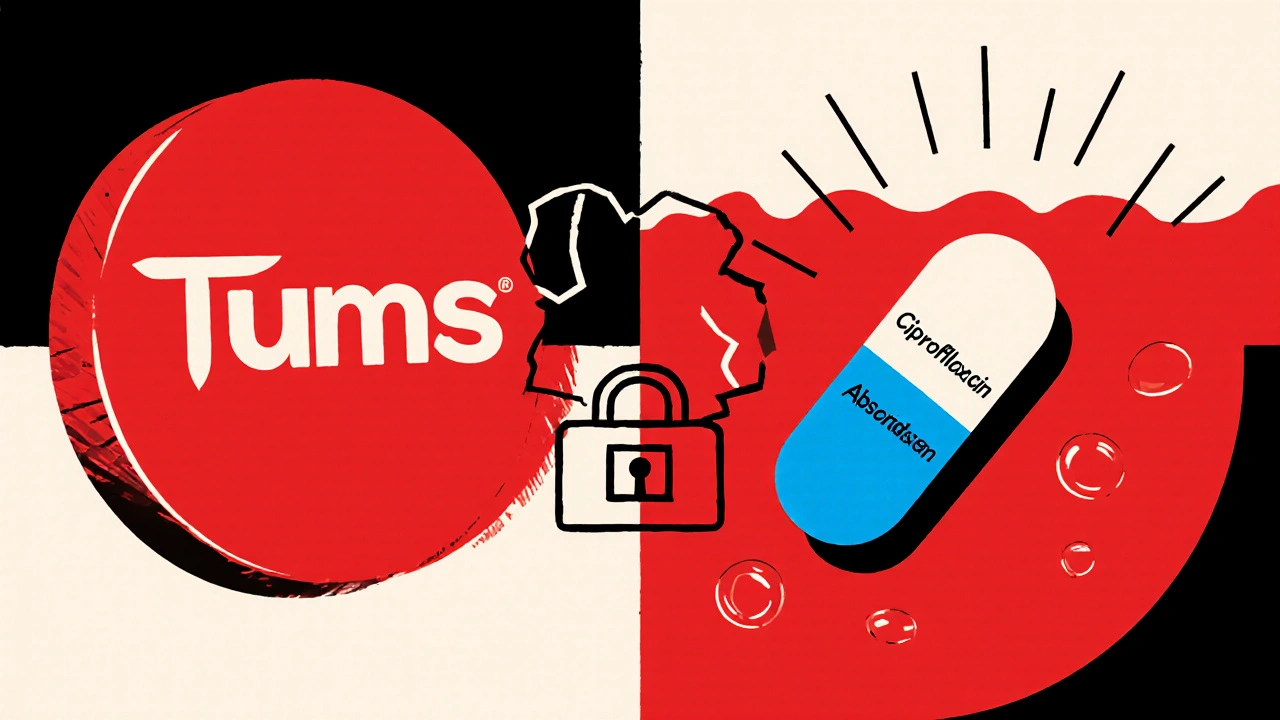
Antacids and Antibiotics: How to Time Your Doses to Avoid Treatment Failure
- Nov, 14 2025
- 15
Learn how to time your antacid and antibiotic doses to avoid treatment failure. Find out which antibiotics are most affected and how to safely manage both without risking infection.
Categories
- Health and Medicine (78)
- Health and Wellness (57)
- Medicine (37)
- Women's Health (11)
- Mental Health (10)
- Men's Health (7)
- Beauty and Wellness (4)
- Health Information (4)
Archives
- April 2026 (3)
- March 2026 (11)
- February 2026 (11)
- January 2026 (25)
- December 2025 (28)
- November 2025 (25)
- October 2025 (27)
- September 2025 (14)
- August 2025 (3)
- July 2025 (2)
- June 2025 (2)
- May 2025 (3)
- online pharmacy
- medication safety
- generic drugs
- dietary supplement
- health benefits
- dietary supplements
- prevention
- fertility
- online pharmacy Australia
- side effects
- QT prolongation
- medication side effects
- diabetes medications
- GLP-1 agonists
- nocebo effect
- brand vs generic
- treatment
- treatment options
- benefits
- connection