
Suicidal Thoughts: What You Need to Know and Where to Find Help
When someone experiences suicidal thoughts, persistent urges to end one’s life, often linked to untreated mental health conditions. Also known as suicidal ideation, it’s not a choice—it’s a signal that something deeper needs attention. These thoughts don’t mean someone is weak or broken. They mean their brain is under extreme stress, and their body is screaming for help. Many people feel this way quietly, hiding it behind smiles, busy schedules, or silence. But it’s more common than you think—and it’s treatable.
Depression, a medical condition that affects mood, energy, and thought patterns is the most frequent partner to suicidal thoughts. But it’s not the only one. Anxiety, trauma, chronic pain, and even certain medications can trigger or worsen them. For example, some antidepressants, drugs meant to improve mood, can temporarily increase risk in young adults during the first few weeks of use. That’s why doctors monitor closely when starting treatment. It’s not about avoiding medication—it’s about using it safely, with awareness.
Suicidal thoughts don’t always come with crying or dramatic signs. Sometimes, they show up as withdrawal, irritability, giving away belongings, or talking about being a burden. People often mistake these for personality changes. They’re not. They’re warning signs. And they’re not something you have to handle alone. Talking to a doctor, a therapist, or even a trusted friend can break the isolation. Support isn’t just about therapy—it’s about knowing what to ask for: medication adjustments, crisis hotlines, peer groups, or a safety plan.
What you’ll find in the posts below isn’t a list of platitudes. It’s real, practical information from people who’ve walked this path or helped others through it. You’ll see how certain drugs can affect mental state, how to spot early signs in loved ones, and how to talk about this without shame. There’s no magic fix. But there are steps—clear, doable, and backed by medical insight—that make a difference. You don’t have to fight this alone. Help is closer than you think.
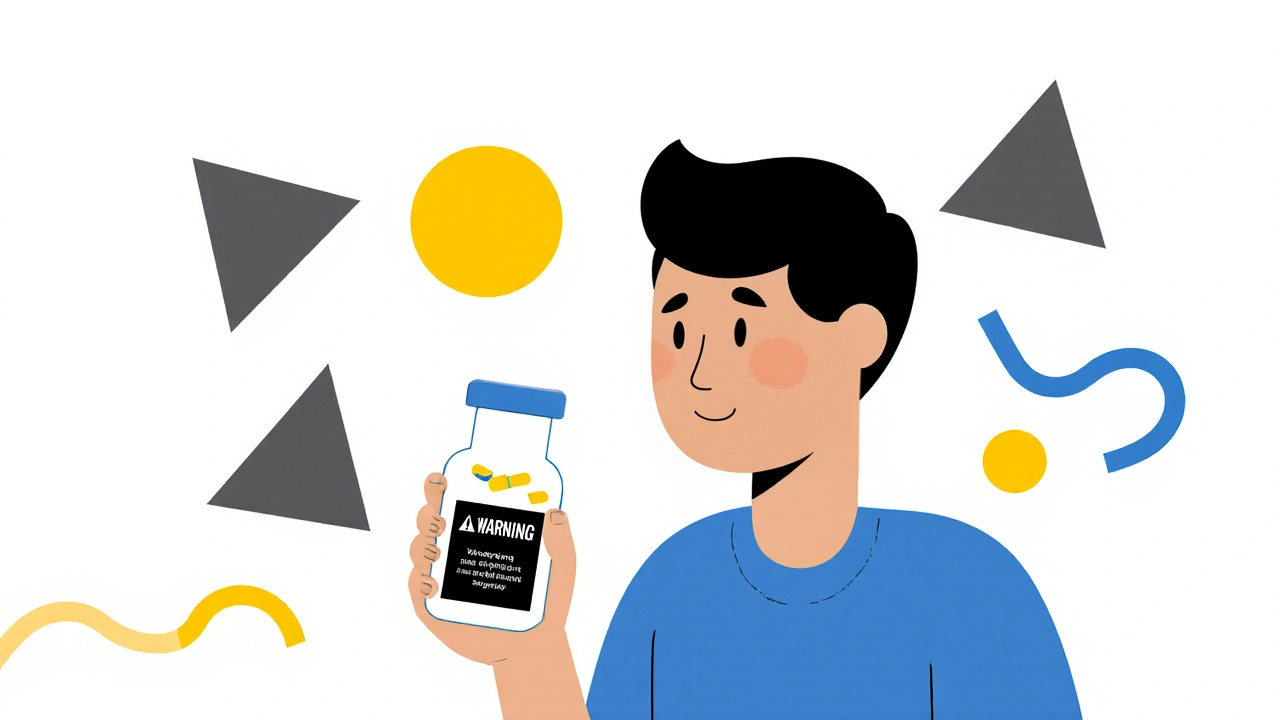
Suicidal Thoughts on Antidepressants: What the Black Box Warning Really Means
- Nov, 15 2025
- 7
The FDA's Black Box warning on antidepressants alerts users to increased suicidal thoughts in young people. But the real story is more complex - untreated depression is far more dangerous. Here's what you need to know.
Categories
- Health and Medicine (78)
- Health and Wellness (57)
- Medicine (37)
- Women's Health (11)
- Mental Health (10)
- Men's Health (7)
- Beauty and Wellness (4)
- Health Information (4)
Archives
- April 2026 (3)
- March 2026 (11)
- February 2026 (11)
- January 2026 (25)
- December 2025 (28)
- November 2025 (25)
- October 2025 (27)
- September 2025 (14)
- August 2025 (3)
- July 2025 (2)
- June 2025 (2)
- May 2025 (3)
- online pharmacy
- medication safety
- generic drugs
- dietary supplement
- health benefits
- dietary supplements
- prevention
- fertility
- online pharmacy Australia
- side effects
- QT prolongation
- medication side effects
- diabetes medications
- GLP-1 agonists
- nocebo effect
- brand vs generic
- treatment
- treatment options
- benefits
- connection