
Smoking Cessation: Proven Ways to Quit and Stay Quit
When you're ready to quit smoking, you're not just giving up a habit—you're fighting a powerful nicotine addiction, a chemical dependency that rewires the brain’s reward system. Also known as tobacco dependence, it’s why so many people try to quit multiple times before it sticks. The truth? Willpower alone rarely works. Successful smoking cessation, the process of permanently stopping tobacco use relies on combining tools, timing, and support.
Most people who quit cold turkey relapse within a week. Why? Because nicotine withdrawal hits hard—irritability, cravings, trouble sleeping, even weight gain. That’s where proven methods come in. nicotine replacement therapy, including patches, gum, or lozenges helps ease the physical side effects by slowly lowering nicotine levels. But it’s not just about the body. The mental habit—smoking after coffee, with friends, during stress—needs rewiring too. That’s why behavioral strategies, like tracking triggers or finding new routines, are just as important as pills or patches.
What you won’t find in most guides? The messy middle. The days when you’re not craving a cigarette but still feel empty. The nights you wake up thinking about smoke. The fear that you’ll never feel normal again. That’s where real help lives—in the details. The posts below cover exactly that: how to manage withdrawal without gaining weight, how to avoid relapse after 30 days, why some quit aids work better than others, and how medications like varenicline or bupropion actually change your brain’s response to nicotine. You’ll also find real stories from people who’ve been there—no fluff, no hype, just what works when you’re tired of lying to yourself about "just one more."
What You’ll Find in These Posts
From how to time your nicotine patch to what to do when you slip up, these articles give you the practical, no-BS advice you need. You’ll learn which over-the-counter options actually help, why some people quit cold turkey and never look back, and how to handle cravings without turning to food or alcohol. This isn’t about motivation—it’s about building a system that works even on your worst day.
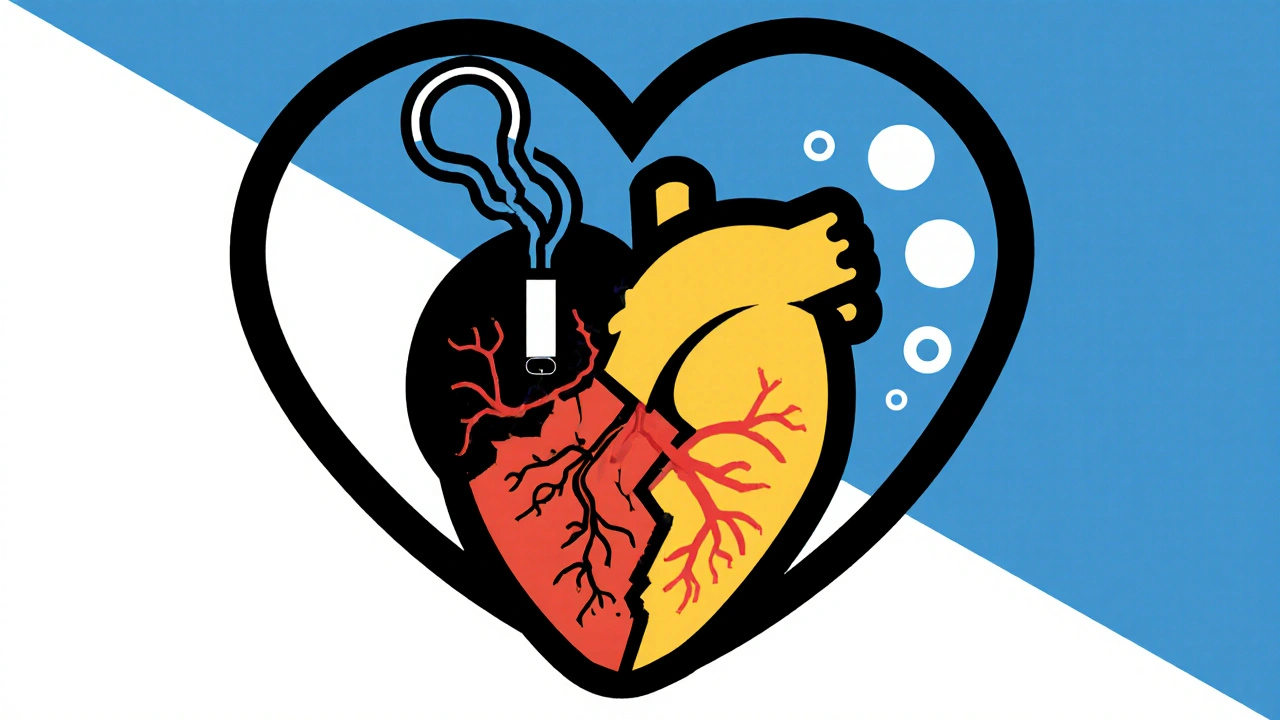
Smoking and Heart Disease: Proven Cessation Strategies That Save Lives
- Nov, 12 2025
- 12
Quitting smoking is the most effective way to reduce heart disease risk. Learn the proven strategies-medications, counseling, and timelines-that can cut your heart attack risk in half within a year.
Categories
- Health and Medicine (78)
- Health and Wellness (57)
- Medicine (37)
- Women's Health (11)
- Mental Health (10)
- Men's Health (7)
- Beauty and Wellness (4)
- Health Information (4)
Archives
- April 2026 (3)
- March 2026 (11)
- February 2026 (11)
- January 2026 (25)
- December 2025 (28)
- November 2025 (25)
- October 2025 (27)
- September 2025 (14)
- August 2025 (3)
- July 2025 (2)
- June 2025 (2)
- May 2025 (3)
- online pharmacy
- medication safety
- generic drugs
- dietary supplement
- health benefits
- dietary supplements
- prevention
- fertility
- online pharmacy Australia
- side effects
- QT prolongation
- medication side effects
- diabetes medications
- GLP-1 agonists
- nocebo effect
- brand vs generic
- treatment
- treatment options
- benefits
- connection