
SGLT-2 Inhibitors: How These Diabetes Drugs Work and What You Need to Know
When you hear SGLT-2 inhibitors, a class of oral diabetes medications that reduce blood sugar by making the kidneys remove excess glucose through urine. Also known as gliflozins, these drugs don’t just lower blood sugar—they’ve been shown to protect the heart and kidneys in people with type 2 diabetes. Unlike older diabetes pills that force your body to make more insulin or make cells more sensitive to it, SGLT-2 inhibitors work differently. They block a protein in your kidneys called sodium-glucose cotransporter-2, which normally reabsorbs sugar back into your blood. When it’s blocked, that extra sugar just leaves your body in your pee. Simple. Direct. No magic, just biology.
Three main drugs fall under this category: empagliflozin, a brand-name drug that lowered heart attack and stroke risk in large clinical trials, canagliflozin, linked to reduced kidney disease progression in diabetic patients, and dapagliflozin, shown to improve heart failure outcomes even in people without diabetes. These aren’t just sugar-lowering pills—they’re disease-modifying treatments. Studies like EMPA-REG and DECLARE-TIMI 58 proved they cut hospital stays for heart failure and slow the decline of kidney function. That’s why doctors now recommend them for patients with type 2 diabetes who also have heart or kidney problems, even if their A1C is already under control.
But they’re not without trade-offs. Because they make you pee out more sugar, you might get more urinary tract or yeast infections. Dehydration and low blood pressure can happen too, especially if you’re already on diuretics or not drinking enough water. Some people report a strange smell in their urine—just sugar leaving the system. And while weight loss is often a side effect (you’re losing calories through urine), it’s not a weight-loss drug. It’s a diabetes drug that happens to help you lose a few pounds. If you’re on one of these, your doctor should check your kidney function and hydration status regularly. And if you’re scheduled for surgery or have an illness that makes you eat less, you might need to pause it temporarily to avoid a rare but serious condition called euglycemic diabetic ketoacidosis.
The posts below cover real-world situations where these drugs come into play—how they interact with other medications, what to watch for in older adults, how they affect heart and kidney health, and how they fit into broader diabetes care. You’ll find practical advice on managing side effects, avoiding dangerous combos, and understanding why your doctor might choose one over another. No fluff. Just what you need to know if you’re taking one, or helping someone who is.
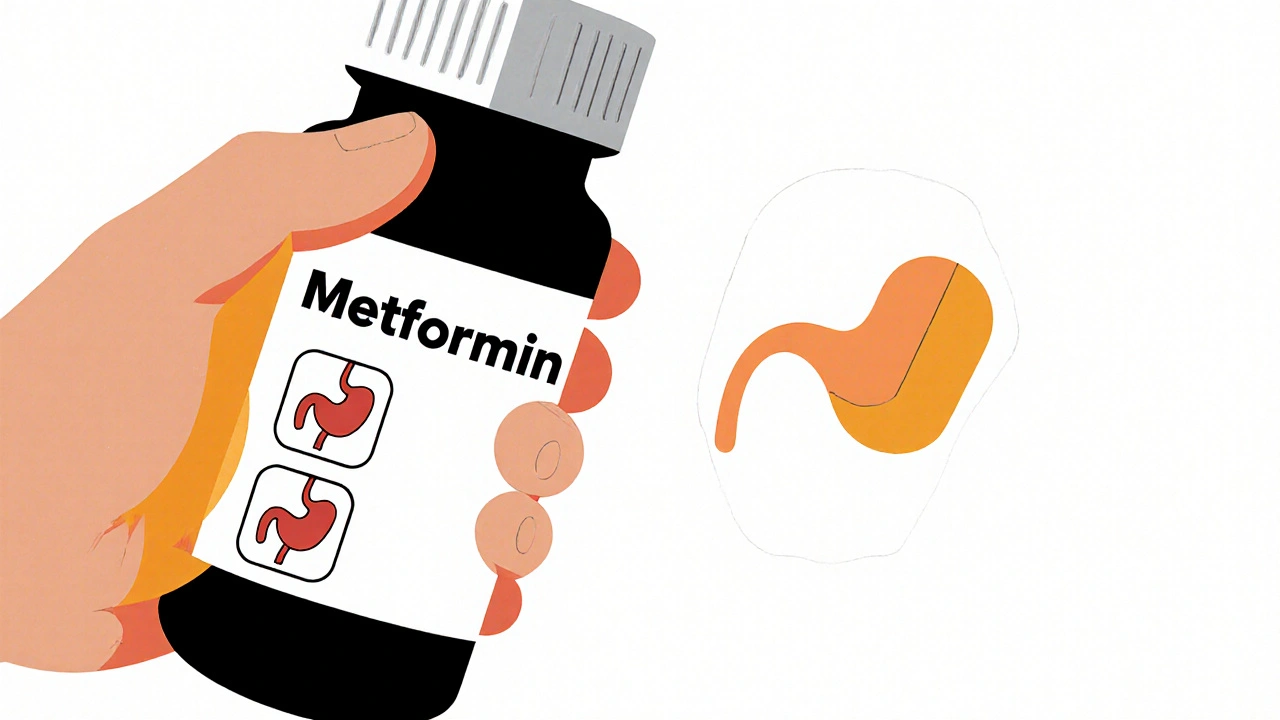
Choosing Diabetes Medications Based on Side Effect Profiles: A Practical Guide for Type 2 Diabetes
- Nov, 26 2025
- 12
Choosing the right diabetes medication means matching side effects to your lifestyle. Learn how metformin, SGLT-2 inhibitors, GLP-1 agonists, and others compare in safety, weight impact, and hypoglycemia risk.
Categories
- Health and Medicine (75)
- Health and Wellness (57)
- Medicine (37)
- Women's Health (11)
- Mental Health (10)
- Men's Health (7)
- Beauty and Wellness (4)
- Health Information (4)
Archives
- March 2026 (11)
- February 2026 (11)
- January 2026 (25)
- December 2025 (28)
- November 2025 (25)
- October 2025 (27)
- September 2025 (14)
- August 2025 (3)
- July 2025 (2)
- June 2025 (2)
- May 2025 (3)
- April 2025 (4)
- online pharmacy
- medication safety
- generic drugs
- dietary supplement
- health benefits
- dietary supplements
- prevention
- fertility
- online pharmacy Australia
- side effects
- QT prolongation
- medication side effects
- diabetes medications
- GLP-1 agonists
- nocebo effect
- brand vs generic
- treatment
- treatment options
- benefits
- connection