
School Nurses and Medication Safety: What You Need to Know
When it comes to school nurses, licensed healthcare professionals who manage student health needs in educational settings. Also known as school health specialists, they’re often the first and only medical responders for children with chronic conditions, allergies, or sudden illness during the school day. These nurses don’t just hand out bandaids—they’re trained to handle life-threatening reactions, manage complex drug schedules, and train staff on emergency protocols.
One of their biggest responsibilities is epinephrine auto-injector, a handheld device used to treat severe allergic reactions like anaphylaxis training. A child with a peanut allergy might go into shock in under five minutes. School nurses ensure every teacher, aide, and coach knows how to use an EpiPen correctly—because waiting for 911 isn’t an option. They also maintain up-to-date emergency plans, check expiration dates, and train students to self-administer when age-appropriate. It’s not just policy; it’s survival.
They’re also on the front lines of geriatric medication safety, the practice of reducing harmful drug interactions and side effects in older adults—even when those adults are students’ grandparents. Many school nurses help families navigate prescriptions for elderly caregivers, especially when those caregivers are raising grandchildren. They spot dangerous overlaps: a grandparent on warfarin, a child on antibiotics, and a shared kitchen where meds get mixed up. They connect families to pharmacists, explain Beers Criteria for unsafe drugs in seniors, and help prevent falls caused by dizziness from polypharmacy.
And then there’s diabetes medications, drugs used to control blood sugar in people with type 2 diabetes. School nurses are the ones checking glucose levels at lunch, adjusting insulin doses based on activity, and teaching kids how to recognize low blood sugar before they pass out in math class. They know which meds cause weight gain or hypoglycemia, and they work with parents to avoid dangerous combinations—like giving a child glyburide when the risk of low blood sugar is too high. They’re not just dispensing pills; they’re managing risk in real time.
They also deal with the quiet side effects: mouth sores from chemotherapy, rashes from nickel in backpack buckles, yeast infections after antibiotics, or skin sensitivity from blood pressure drugs like ramipril. A child with a persistent rash? It might not be eczema—it could be a contact allergy to fragrances in shampoo or laundry detergent. School nurses know to ask about patch testing and how to avoid triggers.
What you won’t see is the paperwork. The signed consent forms. The calls to pediatricians. The midnight texts from panicked parents. The hours spent training staff who don’t understand why a child can’t just eat the birthday cake. School nurses don’t have the luxury of waiting for specialists—they’re the bridge between medicine and the classroom. And in a world where kids are living longer with complex conditions, they’re the ones making sure no one slips through the cracks.
Below, you’ll find real-world guides on how these nurses handle everything from epinephrine emergencies to drug interactions, side effect management, and safety protocols that keep children healthy while they learn.
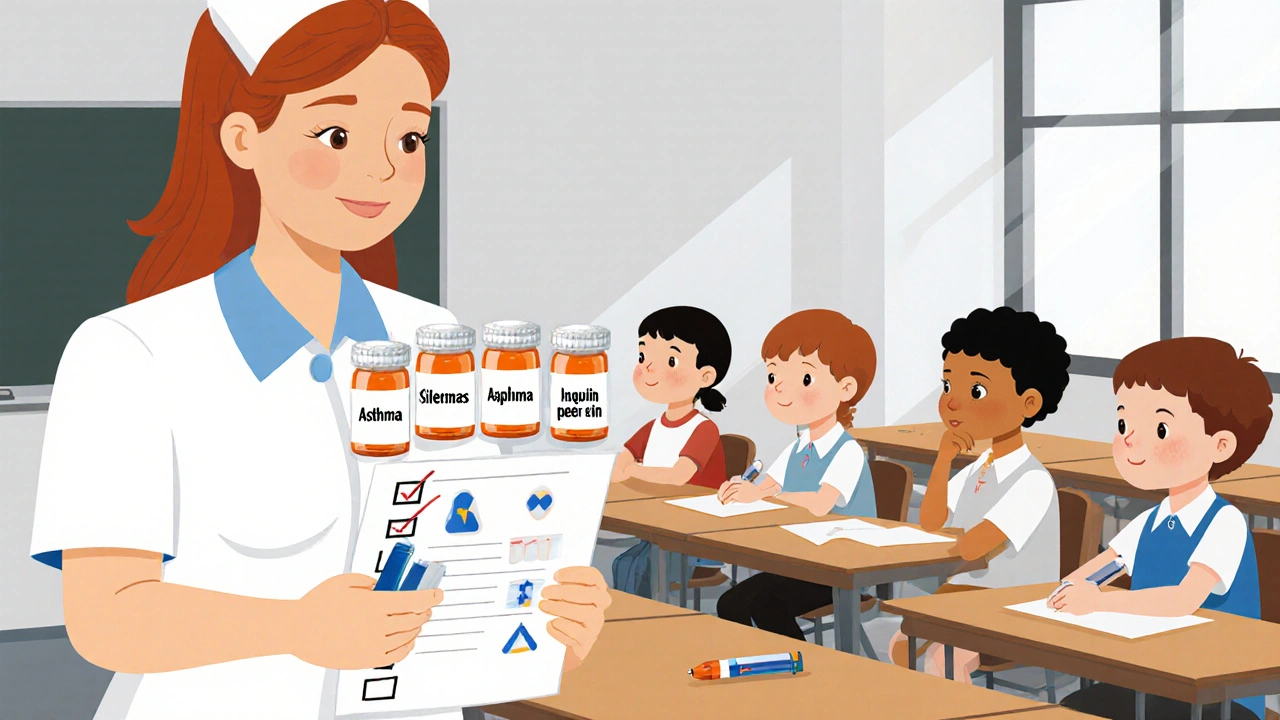
How to Coordinate School Nurses for Daily Pediatric Medications
- Nov, 25 2025
- 12
Learn how school nurses safely coordinate daily pediatric medications using the Five Rights, legal guidelines, and proven protocols to prevent errors and ensure student safety.
Categories
- Health and Medicine (75)
- Health and Wellness (57)
- Medicine (37)
- Women's Health (11)
- Mental Health (10)
- Men's Health (7)
- Beauty and Wellness (4)
- Health Information (4)
Archives
- March 2026 (11)
- February 2026 (11)
- January 2026 (25)
- December 2025 (28)
- November 2025 (25)
- October 2025 (27)
- September 2025 (14)
- August 2025 (3)
- July 2025 (2)
- June 2025 (2)
- May 2025 (3)
- April 2025 (4)
- online pharmacy
- medication safety
- generic drugs
- dietary supplement
- health benefits
- dietary supplements
- prevention
- fertility
- online pharmacy Australia
- side effects
- QT prolongation
- medication side effects
- diabetes medications
- GLP-1 agonists
- nocebo effect
- brand vs generic
- treatment
- treatment options
- benefits
- connection